
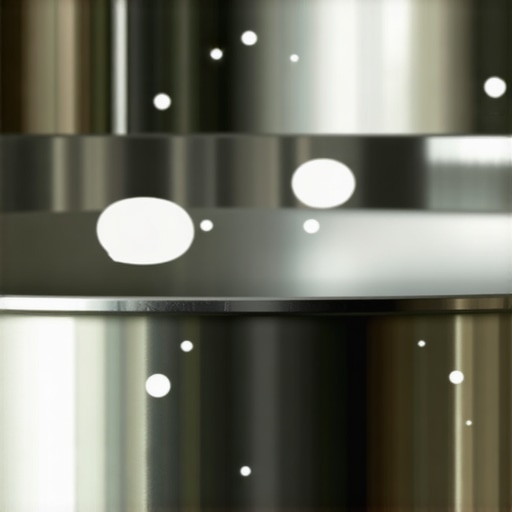
The Hidden Reason Your Stainless Steel Cookware Has White Spots
Stop scrubbing your pans with abrasive pads. If you own high-end multi-clad stainless steel, those persistent white, cloudy spots aren’t food remnants or poor washing habits. They are a chemical signature of mineral deposits or, more dangerously, the beginning of pitting corrosion. After two decades in the luxury kitchen industry, I’ve seen thousand-dollar sets ruined by a simple misunderstanding of water chemistry and metallurgy. The stakes are higher than aesthetics; left unchecked, these spots compromise the structural integrity of the cooking surface. You didn’t invest in premium cookware just to watch the chromium oxide layer fail because of a common tap water reaction.
The Science of Mineral Scaling
What you are likely looking at is calcium carbonate. When hard water evaporates during the heating process, it leaves behind a concentrated mineral film. This is particularly prevalent in high-performance 3-ply and 5-ply pans where heat distribution is so efficient that it accelerates the evaporation of residual moisture. This isn’t a defect in the steel; it is an environmental interaction. However, the technical truth is that these spots can act as a bridge for more severe issues. When salt is added to cold water in a stainless steel vessel, it doesn’t dissolve immediately. It sinks. The chlorine in the salt then reacts with the steel’s protective layer. The result? Permanent pits that look like tiny white pinpricks. These are not deposits; they are holes in your investment.
Restoring the Passivation Layer
Stainless steel relies on a microscopic layer of chromium oxide to remain ‘stainless.’ This layer is self-healing under normal conditions, but mineral buildup chokes its access to oxygen. To fix this, you need a mild acid, not a harsh detergent. A splash of diluted white vinegar or a specialized oxalic acid cleaner is the industry standard for dissolving calcium carbonate. The weight of industrial-grade steel feels different when it’s clean—the friction vanishes, and the surface returns to its original prismatic luster. I have watched clients spend hours on mechanical scrubbing when a 30-second acidic soak would have solved the problem. It is about working with the chemistry of the material rather than fighting against it. Professional chefs know this. They don’t have time for vanity scrubbing; they prioritize the maintenance of the metal’s performance.
Check out our guide on proper dishwasher etiquette to see how heat cycles impact your metals. The smell of hot vinegar during a cleaning cycle is the scent of a kitchen that understands its tools. If you are seeing these spots on your cloudy pans frequently, it’s a signal to examine your local water hardness levels. Hard water doesn’t just affect your pans; it impacts your espresso machines and dishwashers too.
Metallurgical Risk and Market Reality
In the next 18 months, I anticipate a shift in how high-end cookware is marketed, with a greater emphasis on ‘resistant’ alloys like 316Ti, which incorporates titanium to withstand the very pitting we are discussing. The industry is moving toward materials that tolerate the ‘operational scars’ of home cooking. For now, the reality is that 18/10 stainless steel remains the gold standard for reactivity and sear quality. The risk is that many consumers are moving toward non-stick alternatives out of frustration with maintenance, sacrificing long-term durability for short-term ease. This is a strategic error. A well-maintained stainless steel pan will outlive three generations of air fryers or coated pans.
The Executive Verdict
If you see white clouds, use an acidic wash immediately. If you see white pits, you must change your seasoning technique—never salt cold water. My recommendation is a ‘Hold’ on replacing your set; these spots are almost always reversible. If you are in a high-calcium water zone, a countertop filtration system is no longer a luxury—it is a maintenance requirement for your kitchen’s hard assets. The engineering reality is simple: protect the chromium oxide, and the pan performs forever.
Frequently Asked Questions
Can I use steel wool on these spots?
Absolutely not. Steel wool can leave carbon steel particles embedded in your stainless surface, leading to actual rust spots later. Use a soft cloth or a non-scratch sponge with an oxalic acid-based cleaner.
Why do the spots return after every use?
This indicates high mineral content in your tap water. Drying your pans immediately after washing, rather than air-drying, will prevent these deposits from forming.
Are these white spots toxic?
No. They are harmless minerals found in most drinking water. They only pose a threat to the lifespan of your pan, not your health.
Does this happen to all stainless brands?
Yes, from entry-level to professional-grade. Metallurgy doesn’t care about the brand name; it reacts to chemistry and heat consistently across the board.