
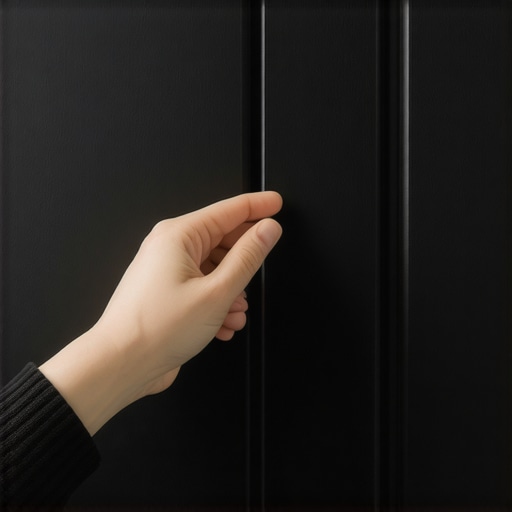
The Cabinet Finish That Actually Resists Greasy Fingerprints
Stop trusting the sterile environment of a showroom. Showrooms are sanitized lies designed to sell an aesthetic that often collapses under the weight of real-world use. After fifteen years in high-end kitchen architecture, I have seen six-figure renovations look like a crime scene within months because the owner chose a matte finish based on a three-inch swatch. The stake? Your kitchen is the high-traffic hub of your home. Between the steam from modern air fryers and the constant handling of premium cookware, your cabinet surfaces are under a constant barrage of human sebum and culinary oils. Chemistry, not just color, is what determines if your kitchen looks pristine or pathetic.
The Molecular Physics of Surface Tension
Why do fingerprints show up? It is a matter of specular reflection. Human skin oil, or sebum, has a specific refractive index. When it touches a standard matte surface, it fills the microscopic voids that create the matte effect, turning that spot into a semi-glossy patch that reflects light differently. The result? A dark, greasy smudge that screams for a sponge. To fight this, we look to nano-technology. Surfaces like Fenix NTM or high-grade Excimer-cured lacquers use electron-beam-curing to create a surface with extremely low surface energy. This chemistry prevents the oil from “wetting” the surface. Instead of spreading out and filling those voids, the oil stays on top, where it can be easily wiped away or, better yet, remains invisible to the naked eye. When you are deciding between solid core and veneer kitchen cabinets, the surface treatment is arguably more important for daily sanity than the substrate itself.
The Reality of Thermal Stress and Chemical Resilience
Implementation is where the weak fail. I once handled a project in a coastal estate where the client had a modern kitchen reno needs a dedicated pastry station. They installed what they thought was a top-tier anti-fingerprint foil. Within a year, the heat from the high-pressure steam wands on their espresso machines caused the polymer bonds to weaken. The surface became tacky. The smell of degrading adhesive was a constant reminder of a poor technical choice. A true professional-grade finish must pass rigorous ASTM International standards for chemical and heat resistance. Most retail-grade cabinets use cheap acrylic topcoats that yellow when exposed to UV or soften under the heat of a heavy-duty range. Technical-grade P.E.T. (polyethylene terephthalate) or Excimer-cured panels are the only options for those who actually cook. These materials provide a haptic feedback that is cool and dry, never sticky, even in the middle of a dinner party prep.
Macro Market Shifts and Regulatory Pressures
The industry is moving away from traditional solvent-based lacquers due to VOC regulations enforced by organizations like the Kitchen Cabinet Manufacturers Association. This is a win for the consumer. Newer water-borne and UV-cured coatings are actually harder and more oil-resistant than the toxic sprays of a decade ago. We are seeing a massive shift toward “super-matte” textures that are chemically oleophobic. In the next 24 months, expect to see smart surfaces that can thermally heal micro-scratches with nothing more than a damp cloth and a household iron. This is not science fiction; it is the current standard in European high-end design. If your contractor is not talking about surface energy or polymer cross-linking, they are living in the 1990s.
The Executive Verdict
If you are planning a high-traffic luxury kitchen, the strategy is clear. Do not buy standard matte lacquer. It is a maintenance nightmare. Instead, specify P.E.T. coatings or Excimer-cured high-pressure laminates. These offer the best ROI by preserving the kitchen’s visual integrity without requiring daily chemical cleaning. You might need to know how to remove scuff marks from a matte black stand mixer, but your cabinets should remain an effortless backdrop. Choose a surface with a surface energy rating below 30 dynes/cm. The chemistry does not lie. Aesthetics without engineering is just a temporary illusion. Avoid the smudge. Invest in the science of the surface.
Surface Technology FAQ
Can I repair a scratch on a nano-tech cabinet? Yes, many high-end nano-surfaces like Fenix are thermally repairable. Using a damp cloth and an iron, you can cause the polymer lattice to reform, effectively “healing” micro-scratches. Are these finishes safe for food prep? Absolutely. These surfaces are non-porous and often have antibacterial properties, making them safer than traditional wood veneers for raw food handling. Do anti-fingerprint finishes cost significantly more? Expect a 20% to 35% premium over standard finishes. However, the reduction in cleaning time and the increase in long-term property value usually offset the initial investment within three years.