
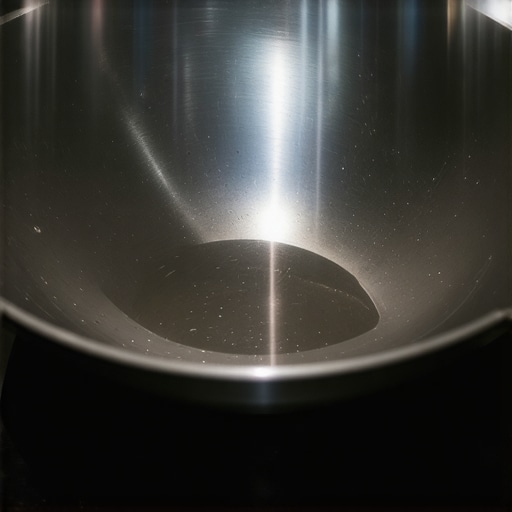
The Best Way to Season a New Wok on a Glass Top Stove
Traditional wok seasoning is a ritual of fire and gas. In a luxury kitchen, the presence of a sleek, glass-top induction or electric range changes the physics of the process entirely. Trying to season carbon steel on a flat surface using the standard ‘toss and swirl’ method is a recipe for a ruined pan and a scratched cooktop. The reality? You cannot treat a glass surface like a commercial power burner. After fifteen years of diagnosing kitchen equipment failures and testing premium cookware, I have seen too many homeowners warp their brand-new woks within twenty minutes because they ignored the thermal limitations of their glass-top surface. The stake is not just a sticky pan; it is the structural integrity of the cookware and the stove itself.
The Engineering Reality of Glass Surface Carbon Steel Prep
Heat transfer on a glass stove relies on direct conduction or magnetic induction. A traditional round-bottom wok has exactly one tiny point of contact with a flat surface. This creates a massive thermal gradient. The center of the wok gets punishingly hot while the sides remain cold. This expansion differential is what causes ‘bowing.’ If you want a functional non-stick patina, you must understand the the real difference between carbon steel and cast iron when it comes to heat retention and molecular bonding. Carbon steel is thinner and more reactive to temperature spikes. On a glass top, the only way to achieve a uniform polymer layer without warping the base is to move the primary seasoning process from the stovetop to the oven. This ensures the metal expands at a controlled, uniform rate. High-end carbon steel thrives on stability, not erratic heat.
Thermal Shock and Oil Polymerization Failure Points
I have stood in dozens of kitchens where the air was thick with the acrid smell of scorched flaxseed oil—a common amateur mistake. When seasoning on glass, people tend to crank the heat to ‘High’ to compensate for the lack of flame. The result? The oil reaches its flash point before it can properly polymerize, leaving a gummy, brown residue that eventually flakes off into your food. You need a fat with a high smoke point, like grapeseed or refined peanut oil. The the hidden benefit of carbon steel is its ability to hold a micro-thin layer of seasoned oil, but that layer only forms correctly at specific temperatures (roughly 450°F to 500°F). If your induction hub won’t work with that one heavy pot or wok, it is likely due to the lack of surface contact area. For the initial seasoning, scrub the factory oil off with a stainless steel wool pad. Do not be gentle. You must reach the raw, blue-grey steel. Apply a drop of oil—literally a drop—and buff it until the pan looks dry. Then, put it in the oven upside down at 475°F for one hour. The heat surrounds the metal. No warping. No hot spots. Just a perfect, bronze start.
Residential Kitchen Electrification Trends
The industry is moving toward total electrification. We are seeing a 30% increase in induction installations in high-end zip codes, driven by both local building codes and the search for better indoor air quality. This shift means the ‘wok hei’ of gas ranges is becoming a niche luxury. In the next 24 months, expect to see more specialized induction-ready woks with thick, multi-ply bottoms designed to mimic the thermal mass of cast iron while maintaining the weight of carbon steel. This is not just a trend; it is a regulatory shift. Homeowners must adapt their techniques. The days of blueing a wok over a 30,000 BTU burner are fading for the modern residential chef. The new standard is precision, not raw power.
The Executive Verdict
If you own a glass-top stove, stop trying to ‘blue’ your wok on the burner. You will scratch the glass or pop the circuit. The strategy: Perform three rounds of oven seasoning at 475°F for one hour each. Only then should you move to the stovetop for maintenance. On the glass top, use a flat-bottom wok made of at least 14-gauge carbon steel. Anything thinner will warp the moment it touches the glass. For those using air fryers or stand mixers regularly, you know that the right tool for the job is about efficiency and result. The wok is no different. Buy a high-quality flat-bottom carbon steel wok. Sell the idea that you need a gas flame to get a non-stick surface. Hold your patience during the initial oven rounds. This is the only way to protect your investment.
FAQ
Can I use a wok ring on a glass stove?
No. Wok rings are designed to sit over a gas grate. On a glass top, a ring will trap heat against the glass and can cause the ceramic to shatter. Use a flat-bottom wok instead.
Why is my wok sticky after seasoning?
You used too much oil. The layer should be so thin it looks like it isn’t there before you heat it. If it’s sticky, scrub it off and start over with less oil.
Will a carbon steel wok scratch my induction cooktop?
It can if you slide it. To prevent scratches, place a single layer of parchment paper or a thin silicone mat between the wok and the induction surface. Induction works through the paper without any loss of heat.
Does the oven method work for wooden-handled woks?
Only if the handle is removable. Most professional-grade woks have removable or metal handles. If yours is fixed wood, you must use the stovetop method, but do it at medium heat and move the pan constantly to avoid warping.