
Efficiency in a luxury kitchen is not a happy accident. It is a calculated result of engineering the workflow around the chef. Most homeowners treat spice storage as an afterthought, shoving mismatched jars into a dark corner. This is a strategic error. After fifteen years designing high-performance culinary spaces, I can tell you that a disorganized spice drawer is the primary bottleneck in gourmet meal preparation. When you are searing a dry-aged steak and need smoked paprika, a five-second delay is the difference between a perfect crust and a carbonized disaster. Organizing for efficiency requires moving beyond aesthetics and into the physics of the kitchen.
The Best Way to Organize Your Spice Drawer for Efficiency
The standard for a high-output kitchen is the tiered drawer insert. Forget the rotating carousels or the wall-mounted racks that expose delicate volatile oils to UV light and fluctuating temperatures. A drawer provides the ideal micro-climate: dark, cool, and accessible. However, the placement of this drawer is the technical truth most designers miss. It must be located within the primary cooking zone, specifically the 24-inch radius surrounding the main range or induction surface. If you have to take more than one step to reach a seasoning, your double galley kitchen layout is working against you.
The Thermal Degradation Factor
Heat is the enemy of flavor. Proximity to a professional-grade range, often pushing 30,000 BTUs or more, creates a thermal bridge that can bake the essential oils out of your spices inside the drawer. Technical purists insist on insulated drawer liners. High-grade cork or heavy-duty silicone serves as a thermal break. Without this, your expensive saffron and hand-harvested peppercorns lose their potency within months. The weight of the industrial grade steel in premium ranges means the heat stays longer. Your organization system must account for this proximity. If you are noticing condensation inside your jars, your insulation has failed. The result? Rapid spoilage.
Ergonomic Indexing and Visual Clarity
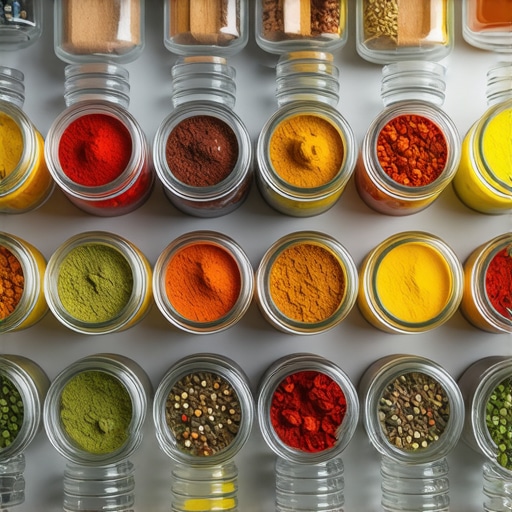
Uniformity is not just for Instagram. It is about cognitive load. When every jar is a different size, your brain has to scan and process multiple shapes and label positions. This slows you down. Standardizing to 4-ounce glass jars with top-facing labels allows for immediate recognition. I recommend a system based on frequency of use rather than a strict alphabetical order. The ‘Tier One’ spices—salt, black pepper, garlic powder, and onion flakes—should occupy the front row. This reduces the physical reach and repetitive strain over a long cooking session. Logic dictates that the spices you use once a month belong in the back. If you are struggling with spatial constraints, you might need to reconfigure your kitchen cabinets to prioritize these high-use zones.
[IMAGE_PLACEHOLDER]
The Cost of Low Quality Inserts
The market is flooded with cheap plastic tiered inserts. They are a liability. They crack under the weight of glass jars and slide around every time the drawer is opened, causing a cacophony of clinking glass. In a luxury environment, we utilize custom-milled wood or powder-coated aluminum inserts that are tension-fitted to the drawer box. This eliminates lateral movement. I once saw a client’s entire spice collection shatter because a flimsy plastic insert buckled under a heavy-duty drawer slide’s closing force. It was a mess of glass shards and expensive curry powder. Total avoidable failure. Invest in heavy-gauge materials that match the build quality of premium cookware used in the space.
Strategic Foresight for Smart Kitchens
The next 24 months will see a surge in climate-controlled cabinetry. We are already seeing prototypes for spice drawers with integrated thermoelectric cooling to maintain a constant 65 degrees Fahrenheit. This is the future for serious collectors of rare spices. Additionally, RFID-enabled labels that track expiration dates and inventory levels are moving from commercial labs into the residential sector. Regulatory changes in food safety standards for home-based culinary businesses are also driving this need for better tracking. If you are planning a renovation now, leave room for these technical integrations.
The Executive Verdict
If you are serious about your culinary output, stop treating spices as decor. Buy a custom-fitted, tiered aluminum insert today. Standardize your jars. Insulate the drawer box if it sits next to a high-BTU burner. This is a one-time investment that pays dividends in every meal you cook. If your kitchen currently lacks the flow for this, consider how even small changes, like learning how to clean burnt spills efficiently, can free up the mental space needed to tackle a full organizational overhaul.
Frequently Asked Questions
Should I organize spices alphabetically?
No. Organize by frequency of use. Keep your essentials in the front and secondary blends in the rear to minimize reach time.
Are plastic jars acceptable?
Avoid them. Plastic is porous and can absorb odors or leach chemicals into the spices over time. Use high-borosilicate glass for the best preservation.
How often should I purge the spice drawer?
Ground spices lose potency after six to twelve months. Perform a scent test annually. If the aroma is faint, the chemical compounds have degraded, and it is time to replace them.