
The Best Material for a Durable Kitchen Workspace
Most luxury kitchen designs prioritize the visual weight of a slab over its mechanical utility. This is a fundamental error. After two decades of specifying high-performance kitchens, I have seen that the wrong choice leads to catastrophic thermal shock or permanent etching within the first eighteen months. The stakes are simple: you either build for the reality of high-heat premium cookware and heavy stand mixers, or you pay for a professional resurfacing before the three-year mark. A workspace is an engineering platform, not a decorative furniture piece.
Natural quartzite remains the apex predator for durability in a residential setting. Unlike engineered quartz, which relies on petroleum-based resins that can scorch when a hot pan from the oven touches them, quartzite is a metamorphic rock forged under intense heat and pressure. It offers a Mohs hardness rating that rivals topaz. If you are frequently using a heavy stand mixer, the vibration and weight distribution require a substrate with high density and low porosity. Standard marble fails here; it is too soft, prone to the micro-fractures caused by the mechanical torque of high-output motors.
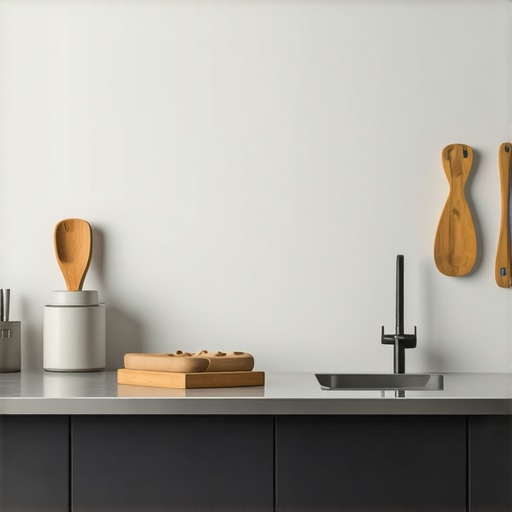
The engineering logic behind 316-grade stainless steel is often overlooked by homeowners, yet it remains the gold standard in professional environments. It handles thermal bridging better than any stone. You can move a 12-quart stockpot directly from a high-BTU burner to the counter without a trivet. The downside? The aesthetic is clinical. However, for a serious cook, the hygiene and heat resistance are non-negotiable. If you prefer stone, you must understand the proper way to clean quartzite countertops to avoid etching. Even the strongest stone can be compromised by acidic surfactants that eat away at the mineral bonds over time.
The Thermal Failure Points of Engineered Surfaces
Many clients believe that higher price tags equate to higher heat resistance. This is false. Engineered quartz is roughly 10% resin. When you place an air fryer on these surfaces, the localized heat can cause a localized expansion. The result? Permanent discoloration. I have stood in kitchens where the smell of scorched polymer filled the room because a client placed a cast-iron skillet on a ‘premium’ synthetic slab. It is a costly mistake that no warranty covers. For those invested in luxury kitchen environments, the transition to sintered stone or ultra-compact surfaces represents the next logical step in material science. These materials are fired at temperatures exceeding 1200°C, making them virtually immune to the heat generated by modern espresso machines or rapid-heating induction cooktops.
Maintenance is where most high-end materials die. You might find that marble countertops are staining even after sealing because the sealant itself is a temporary barrier, not a permanent transformation of the stone’s chemistry. The weight of the industrial grade steel used in modern professional ranges also puts immense pressure on the cabinetry and the stone overhangs. Without proper structural support, even a three-centimeter granite slab can snap at the sink cutout. I always insist on steel reinforcement for any span over twenty-four inches.
Market Corrections and the Shift to Sintered Materials
The industry is moving toward ultra-compact surfaces like Dekton or Lapitec. According to recent data from the National Kitchen & Bath Association (NKBA), demand for these nearly indestructible materials has spiked as homeowners realize the limitations of resin-based quartz. We are also seeing stricter regulations regarding silica dust during the fabrication process, which is driving up the cost of traditional stone while making factory-finished sintered surfaces more competitive. In the next 24 months, I expect to see a market-wide shift away from porous stones in favor of these high-density, lab-grown alternatives. These materials offer the lowest water absorption rates in the industry, which is vital when you are managing the steam output of high-end espresso gear.
My executive verdict is clear. If you value ROI and operational longevity, specify a high-density quartzite or a professional-grade sintered stone. Avoid marble for primary prep zones; save it for the backsplash where its beauty isn’t threatened by a lemon wedge or a hot pan. Ensure your contractor understands the deflection limits of your chosen material. If you are in a high-use household, do not settle for anything less than 3cm thickness for your primary island.
Frequently Asked Questions
Can I put an air fryer directly on a quartz countertop?
No. The concentrated heat from the base can cause the resin to yellow or crack. Always use a heat-resistant mat or a wood cutting board as a buffer.
Why is my quartzite staining if it is supposed to be durable?
True quartzite is highly resistant, but many distributors mislabel ‘soft quartzite’ (which is actually marble) as the real thing. Always perform an acid and scratch test on a sample before purchasing.
Is stainless steel too loud for a residential kitchen?
Modern residential stainless counters are backed with sound-dampening membranes or wood substrates. This eliminates the ‘clank’ often associated with commercial kitchens while retaining the hygiene benefits.