
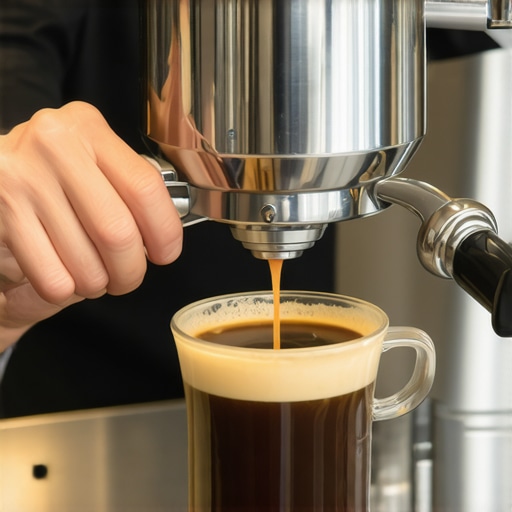
Stop Rinsing Your Portafilter With Cold Water Between Shots
Thermal mass is the silent architect of a perfect extraction. Most home baristas treat their portafilter like a common dinner plate, rinsing it under the cold tap between extractions to clear away spent grounds. This is a technical catastrophe. After 15 years diagnosing espresso machine failures and workflow inefficiencies, I can tell you that thermal shock is the primary reason your second shot never tastes as good as the first. When you introduce cold water to a 58mm brass or stainless steel portafilter, you are not just cleaning it; you are stripping the heat that your machine worked twenty minutes to build. The result? Thermal suicide. This drop in temperature forces the brew water to lose its energy before it even hits the coffee puck, leading to sour, under-extracted shots that lack body.
The Engineering Reality of Thermal Heat Transfer
Espresso is a game of variables, and temperature is the most volatile. High-end machines utilize PID controllers to maintain boiler temperatures within a fraction of a degree. However, the portafilter acts as the final gatekeeper. If the metal is cold, it functions as a massive heat sink. Basic physics dictates that heat moves from hot to cold. Your 200-degree brew water hits that 70-degree rinsed metal and instantly plummets to 180 degrees. You can find the simple boiler trick that stabilizes your espresso temperature helpful for initial setup, but no amount of boiler stability can overcome a cold delivery system. According to the Specialty Coffee Association (SCA) technical standards, temperature stability at the puck is non-negotiable for flavor clarity. A cold portafilter ensures you fail that standard every single time.
Sensory Failures and Operational Risks
Think about the mechanics of the shot. The weight of the industrial grade steel should feel warm in your hand, almost uncomfortable. When you rinse with cold water, you hear that distinctive hiss of steam turning into condensation. That moisture is an enemy. A damp, cold basket creates immediate issues with puck integrity. The puck prep mistake that causes constant channeling is frequently exacerbated by a wet basket. Water follows the path of least resistance. If the basket walls are slick with cold tap water, the high-pressure brew water will bypass the coffee grounds and scream down the sides of the basket. This creates a watery, thin espresso that smells like wet cardboard rather than toasted nuts or chocolate.
Strategic Barista Decisions and Market Trends
The industry is shifting toward more intelligent thermal management. We are seeing a rise in saturated group heads and even actively heated portafilter handles in commercial environments. This trend highlights the critical nature of temperature maintenance. If you are using a prosumer machine, you are already fighting a battle against ambient air cooling. Don’t aid the enemy by using the sink. I have watched local enthusiasts spend thousands on grinders only to sabotage the final result with a 2-cent cleaning habit. The precision scale that actually fits under a portafilter won’t save a shot that was thermally dead on arrival. We are seeing more consumers moving toward carbon steel and high-mass metals, as noted in reports from ASTM International regarding thermal conductivity in food-service equipment. This makes heat retention even more vital.
The Executive Verdict
My recommendation is absolute: Stop using the sink. Use a dry microfiber cloth to wipe the basket clean. If you must rinse, use the hot water dispenser from the machine itself, or better yet, a dedicated group head flush. This keeps the metal at the target temperature and ensures the oils from the previous shot are removed without compromising the thermal profile. If you find your espresso tastes like battery acid, it might not be the beans. Check the hidden valve problem that makes your espresso taste like battery acid, but first, fix your thermal workflow. Keep the metal hot. Keep the basket dry. That is how you protect your investment and your palate.
How do I clean the portafilter without water?
Use a stiff brush to remove the bulk of the grounds and a clean, dry microfiber cloth to polish the basket until no oils remain.
Will the heat ruin my portafilter handle?
No. Professional grade portafilters are designed to stay locked in the group head for hours. The metal is meant to be hot; only the handle is insulated for your grip.
What if the grounds are stuck?
This usually indicates your grind is too fine or your basket is already damp. A dry basket allows the spent puck to ‘knock out’ cleanly in one piece.
Does this apply to bottomless portafilters?
Yes. While they have less mass, the basket itself still requires thermal stability to prevent the shot from souring during the 25-30 second extraction window.