
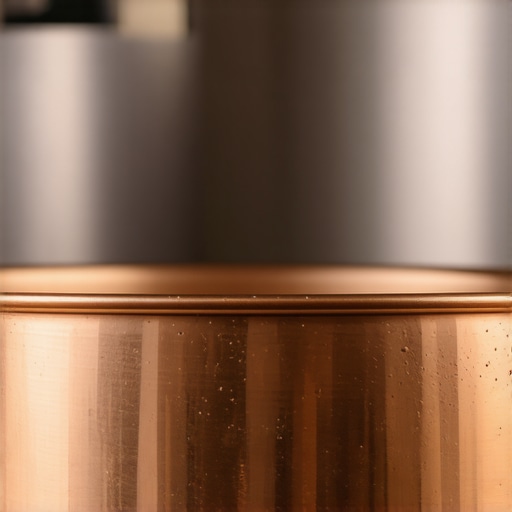
How to Remove Burnt Sugar From a Premium Copper Jam Pan
Destroying a $500 Mauviel or Ruffoni jam pan through a momentary lapse in temperature control is a professional tragedy. Sugar burns with a specific intensity. It transitions from a golden caramel to a black, carbonized mass that bonds with copper on a molecular level. After 15 years restoring high-end kitchenware, I have seen more copper ruined by frantic scrubbing than by the heat itself. The stake here is structural. Copper is prized for its thermal sensitivity, but that same sensitivity means it expands and contracts significantly. Forcing a scraper against a carbonized bond risks gouging the very surface that makes jam-making possible. This is not just a cleaning task; it is a metallurgy crisis. High-end cookware demands a technical response. Right now, your pan is a victim of intermolecular adhesion.
The Thermodynamics of Carbonized Sucrose
When sucrose reaches the hard-crack stage and eventually burns, it undergoes a chemical change called pyrolysis. The result is a carbon layer that is effectively a ceramic insulator. If you apply high heat now, you create hot spots. These hot spots can warp the base of a heavy-gauge pan. The weight of the industrial-grade copper works in your favor here, as its thickness resists immediate deformation, but the bond remains. To break this, we must use the principle of solubility rather than mechanical force. I always tell my clients to put the abrasive pads away. You want to utilize the chemical potential of the bond. It is about patience. Impatience. That is the real killer of fine copper. You should also be aware of the proper way to polish a copper sink without ruining the patina because the same gentle principles of surface management apply to your jam pots.
The Enzyme Softening Protocol
The technical truth that generic guides miss is the power of biological catalysts. Instead of harsh acids, which can etch the copper, we use time and moisture. Fill the pan with room-temperature water. Add a high-concentration enzymatic dish soap. These enzymes are designed to break down organic bonds without reacting with the metal. Let it sit for 24 hours. The goal is to hydrate the carbon. As the water penetrates the porous burnt layer, the bond weakens. If you are dealing with a massive overflow, the external surface also needs care. Just as the secret to a perfect sear on scallops using copper pans relies on temperature management, removing the failure of that management requires a cooling-off period. Avoid the urge to boil the water immediately. Rapid heating of a dry, burnt mass can lead to permanent discoloration known as ‘fire scale.’ According to the Copper Development Association, maintaining the physical integrity of the copper lattice is vital for heat distribution. Any thinning of the metal through aggressive sanding ruins the pan’s primary function.
The Risks of Mechanical Abrasion
I remember a client in a high-rise downtown who tried to use a steel wool pad on her scorched 12-quart preserving pan. The sound—that screech of metal on metal—was the sound of value evaporating. She created micro-grooves that acted as anchor points for every subsequent batch. The result? Total loss of pan utility. Every preserve she made afterward tasted of iron and scorched pectin because the sugar trapped itself in those microscopic valleys. We have to avoid ‘scouring’ at all costs. Instead, once the carbon has softened after a 24-hour soak, use a wooden spatula to gently lift the edges. If it doesn’t move, do not force it. Re-soak. This is where you separate the professionals from the amateurs. It is also why why you should stop using harsh detergents on your seasoned pans; copper is reactive and deserves a nuanced touch. If the carbon is particularly stubborn, a paste of baking soda and water can provide a mild, non-destructive alkaline reaction to further loosen the grip.
Strategic Foresight for Luxury Kitchenware
The market for artisanal home preserving is expanding, and with it, the investment in high-end copper. Over the next 12 to 24 months, we expect to see an increase in ‘smart’ induction-compatible copper. However, the old-world unlined copper pans remain the standard for jam because of how they react with fruit acids and pectin. Regulatory shifts regarding PFOAs are driving more consumers toward these traditional metals. This means the skill of maintaining them is becoming a lost but necessary art. If you treat your copper as a multi-generational asset, you must understand the ASTM International standards for metal hardness. Copper is soft. Treat it with the respect its atomic structure requires.
The Executive Verdict
If you find yourself staring at a black, scorched mess, my recommendation is a ‘Hold’ strategy. Do not scrub. Do not boil vinegar (which can create toxic verdigris if left too long on unlined copper). Follow the 24-hour hydration method. Use wooden tools only. If the pan shows signs of ‘tinning’ (if it were a lined pan), you would need a professional re-tinning service, but for a solid copper jam pan, the metal is resilient. Your actionable strategy: Soak, wait, and gently nudge. If the sugar is still there, repeat. The pan will return to its former glory. The patina might be temporarily uneven, but the thermal conductivity will remain intact. Failure to follow this leads to a decorative wall-hanger. Success leads to another decade of perfect preserves.
Frequently Asked Questions
Can I use oven cleaner on a copper pan?
Absolutely not. The caustic chemicals in oven cleaners can cause permanent pitting and severe discoloration of the copper. It is far too aggressive for this specific metallurgy.
Is the pan ruined if it turned blue or purple?
No. That is simply a heat tint, a thin layer of oxidation. A specialized copper polish will remove the color without affecting the performance of the pan.
Why not use the boiling water and vinegar trick?
While effective for stainless steel, vinegar is an acid that reacts with copper to form copper acetate. If not neutralized perfectly, it can continue to eat at the metal or affect the flavor of your next batch.