
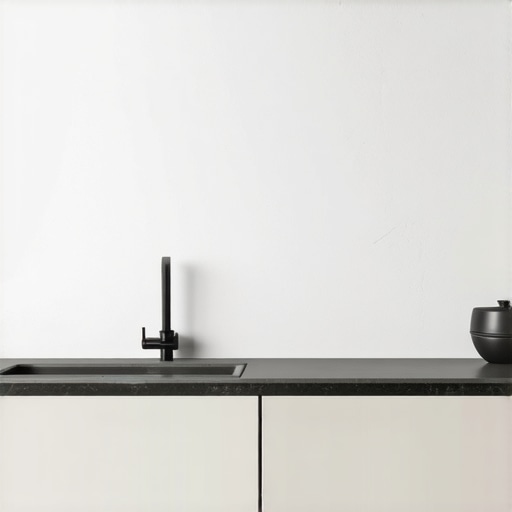
How to Hide Countertop Outlets for a Seamless Backsplash
Slapping a $2 plastic faceplate onto a $10,000 slab of Calacatta Borghini is a design crime. Most builders default to the standard vertical outlet placement because it is easy, not because it is right. After fifteen years of managing high-end kitchen installs, I can tell you that the visual weight of an outlet ruins the flow of any premium stone. We are not just talking about aesthetics here. We are talking about the structural integrity of your wall. When a tiler has to cut a jagged hole in a porcelain slab, it creates a stress point. Why your kitchen backsplash tile is cracking near the outlets often boils down to these poor cuts. If you want the finish of a professional chef’s kitchen, you have to stop thinking about power as an afterthought.
The Engineering Reality of Under-Cabinet Power Strips
The most effective way to clear the field of vision is to move the power up. Angled power strips tucked under the upper cabinets are the gold standard. This is not about hiding the cord; it is about keeping the stone face untouched. From a technical standpoint, these strips provide a continuous run of power without the need to pierce the wall. You get a cleaner look and more flexibility for your espresso machines or stand mixers. We typically use 20-amp circuits for these runs. If you are running a commercial-grade machine, why you need a dedicated circuit for your high-end espresso machine becomes a matter of safety and performance. The smell of burning insulation is the first sign that a general-purpose circuit was a mistake. According to the National Electrical Code (NEC), outlets must be spaced so no point along the wall is more than 24 inches from a receptacle. Under-cabinet strips meet this requirement while keeping the backsplash pristine.
The Mechanical Failure of Pop-Up Sockets
Pop-up sockets are often sold as a high-tech solution, but they come with operational risks. These units sit flush with the countertop and rise up when pressed. The problem? Liquid. Spilled coffee or soup can infiltrate the gasket. Over time, the spring mechanism loses its tension. I have seen countless $500 units fail because of a grain of salt stuck in the track. The result? Avoidable failure. If you are installing these on an island, you also have to account for the space they steal from the drawers below. Many homeowners realize too late that why most kitchen islands are built three inches too high is often a desperate attempt to fit oversized plumbing and electrical components into the base cabinets. Precision matters more than gadgets.
Strategic Placement in the Shadow Line
If you must have outlets on the wall, go horizontal and go low. By rotating the outlet 90 degrees and placing it just two inches above the countertop, you keep the cord close to the surface. It hides behind the base of your air fryers or toaster. We use color-matched plates that mimic the vein of the stone. This requires a level of coordination that most general contractors avoid because it requires the electrician and the stone fabricator to actually talk to each other. The National Kitchen & Bath Association (NKBA) suggests that ergonomics should drive placement, but the Technical Purist knows that invisible utility is the peak of design. When using why porcelain countertops are outperforming natural stone, this low placement is even more vital because porcelain is more prone to chipping during the cut-out process.
The Market Correction Ahead
The industry is moving toward integrated wireless power and hidden busbars. In the next 24 months, expect to see more inductive charging built directly into the stone. This will eliminate the need for cords for smaller appliances. For now, the safest bet is a hybrid approach. Use under-cabinet tracks for your main work zones and recessed Sillites for occasional power needs. These tiny, circular outlets fit into a single drill hole and are much less intrusive than a rectangular box. They are harder to find and require a specialized drill bit, but the result is a backsplash that looks like art, not a utility wall.
Executive Verdict
If you are in the middle of a renovation, stop the electrician before they cut the drywall. My recommendation: Go with angled under-cabinet power strips for 90% of your needs. For islands, use side-mounted outlets in the cabinetry end panels. Never cut into the stone unless there is no other path to code compliance. The visual payoff is immediate, and the resale value of a kitchen with a continuous, unbroken backsplash is significantly higher than one cluttered with white plastic squares.
Technical FAQ
Will under-cabinet outlets pass a local inspection? Yes, provided they are mounted no higher than 20 inches above the countertop and are GFCI protected. Always verify local amendments to the NEC. Can I hide outlets behind a sliding panel? Yes, but the outlet must be de-energized when the panel is closed or it must be specifically rated for that use to avoid fire hazards. Do colored outlet covers actually match stone? Most pre-painted covers are terrible. The professional move is to use a company that creates custom-printed plates using a high-resolution scan of your actual stone slab.