
How to Get the Old Oil Smell Out of a Plastic Air Fryer Basket
Most luxury kitchen owners treat an air fryer basket like any other piece of premium cookware. That is a mistake. When you deal with high-velocity heat and industrial-grade thermoplastics, you aren’t just cleaning a surface; you are managing a porous environment. After fifteen years in the appliance sector, I have seen thousands of high-end air fryers ruined by owners who misunderstood the chemistry of lipid oxidation. That lingering, rancid smell is not just ‘dirt.’ It is a volatile organic compound (VOC) trapped within the polymer matrix of the basket’s housing. The stakes are clear. Ignoring this buildup leads to flavor transfer, turning a $400 air fryer into a source of tainted meals. The result? Expensive waste.
Understanding why the odor persists requires a look at thermal expansion. During a cooking cycle, the plastic housing expands at a molecular level. Micro-pores open. Vaporized grease, often from low smoke point oils, drifts into these openings. As the unit cools, the plastic contracts, locking the rancid lipids inside. Standard dish soap lacks the surfactant strength to reach these trapped particles. You need a solution that leverages acidity and steam to force a chemical release. [image_placeholder_1]
The Science of Porous Extraction
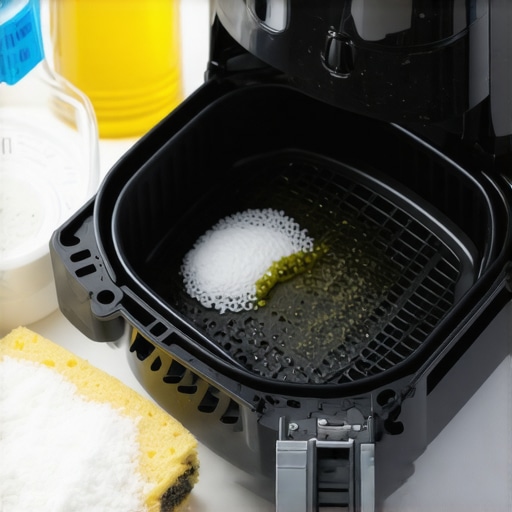
To eliminate the scent, we must initiate a phase-change. Start by creating a concentrated paste of sodium bicarbonate and water. Apply this to the interior surfaces. Sodium bicarbonate acts as a mild abrasive that neutralizes acidic fatty acids without compromising the structural integrity of the basket. Let it sit for thirty minutes. This is not a suggestion; it is a technical requirement for the ions to bond with the oil residues. Following this, a steam cycle is the only way to reopen those micro-pores. Place a heat-safe bowl with a mixture of distilled white vinegar and lemon juice inside the basket. Run the unit at 350 degrees Fahrenheit for five minutes. The acetic acid vapors penetrate the plastic, breaking the bonds of the trapped lipids. The scent of citrus replaces the stench of decay.
Operational Risks of Chemical Sabotage
I have witnessed enthusiasts use harsh degreasers or bleach in a desperate attempt to reset their machines. This is a catastrophic error. Aggressive chemicals can cause micro-fissures in the plastic, leading to leaching during future cooking cycles. Furthermore, these substances often cause permanent damage to the non-stick coating, which is frequently a PFOA-free ceramic or PTFE layer. The tactile sensation of a failing basket is unmistakable: it feels tacky, even when ‘clean.’ This tackiness is polymerized oil, a substance that has effectively become one with the plastic. If you find yourself in this situation, mechanical scrubbing will only expose the raw substrate. You must use the steam method twice, or consider the component compromised. This is notably different from the initial factory burn-off smell found in new units.
Industry Trends and Material Science
The market is shifting. Over the next 18 months, we expect a move toward full stainless-steel interiors in the premium air fryer segment to bypass the porous nature of plastic altogether. Regulatory bodies like the Food and Drug Administration (FDA) and the Association of Home Appliance Manufacturers (AHAM) are constantly reviewing the safety profiles of food-contact polymers under high-stress thermal conditions. For now, the reality is that plastic remains the primary insulator for consumer-grade units due to its heat-retention properties. As a Technical Purist, I advise maintaining a strict cleaning protocol every five uses to prevent lipid deep-seeding. If the smell remains after a vinegar steam, the oil has likely hit the heating element or the fan shroud, requiring a different level of disassembly that most warranties do not cover.
The Executive Verdict
If your basket smells of old fish or rancid grease, do not keep cooking. You are effectively seasoning your fresh food with old, oxidized waste. If the vinegar steam and bicarbonate paste do not work after two attempts, the basket has reached its end-of-life. Buy a replacement basket rather than a whole new unit if the motor remains sound. For those in high-humidity areas, ensure the basket is bone-dry before storage to prevent secondary mold issues. Your strategy: Clean with acidity, never use abrasives, and always run a dry cycle after cleaning.
Frequently Asked Questions
Does lemon juice damage the plastic? No, the concentration of citric acid in a steam cycle is insufficient to degrade high-temp thermoplastics but powerful enough to neutralize odors.
Can I use a dishwasher to remove the smell? Dishwashers often use high-alkaline detergents that can actually ‘set’ the oil smell if the water temperature isn’t high enough to melt the polymerized grease.
Why does my air fryer smell like plastic? If it is new, it is likely off-gassing. If it is old, you are likely experiencing a thermal failure of the fan housing or internal components.
How often should I perform a deep steam clean? For heavy users, a monthly acetic acid steam cycle is the industry standard for maintaining a neutral flavor profile.