
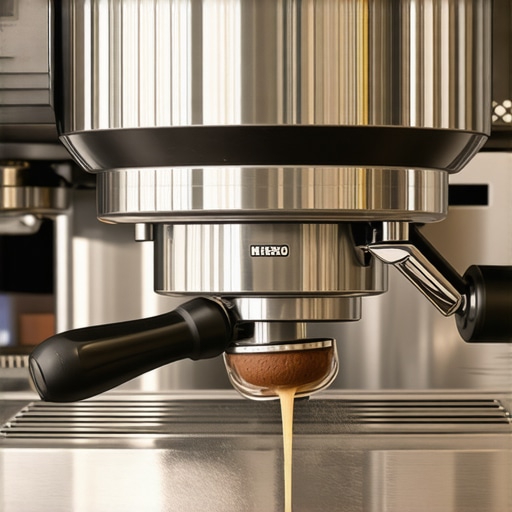
How to Fix Spitting Espresso Shots With Better Puck Prep Tactics
A spitting espresso shot is more than a messy kitchen counter; it is a definitive diagnostic failure of your puck preparation. When water under 9 bars of pressure finds a path of least resistance through the coffee bed, it creates a high-velocity jet known as channeling. After years of diagnosing extraction failures in high-end residential setups, I have seen thousands of dollars in premium beans wasted because of a refusal to respect the physics of hydrostatic pressure. If your bottomless portafilter looks like a garden hose with a thumb over the end, your coffee is extracting unevenly, resulting in a cup that is simultaneously sour and bitter. The result? Avoidable failure.
Understanding the mechanics of the coffee puck requires looking at it as a hydraulic seal. When you engage the pump, the water hits the surface and must penetrate a uniform density to extract flavor compounds evenly. If there are micro-clumps or air pockets, the water bypasses the densely packed areas. Why your espresso shot is sputtering and the simple fix often comes down to the interstitial spaces between your grounds. Many home baristas rely on a simple palm tap, but this rarely settles the lower half of the basket. You need a mechanical intervention to ensure uniformity from the bottom up.
The Engineering Reality of Distribution Tools
Precision is not optional when dealing with the tight tolerances of 18 grams of coffee. Using a Weiss Distribution Technique (WDT) tool—essentially fine needles—is the only way to break up the electrostatic clumps caused by high-speed burr grinders. The industry standard has shifted away from simple leveling tools toward deep-bed agitation. Why you should use a distribution tool for every coffee shot is evidenced by the reduction in blonding streaks during the extraction. Without it, you are gambling on the grinder’s output being perfectly fluffy, which it rarely is, regardless of the price tag on your luxury kitchen equipment.
Why Bottomless Portafilters Reveal Your Worst Habits
The spritz and spray of a failing shot are invisible in a standard spouted portafilter. You only see the result in the cup. However, why bottomless portafilters reveal your worst tamping habits is through direct visual feedback. If the shot starts on one side or creates ‘dead spots’ where no coffee flows, your tamping pressure was likely angled. An unlevel tamp creates a slope that water will ruthlessly exploit. I recommend a calibrated, self-leveling tamper to remove the human element of ‘wrist-feel’ which is notoriously inconsistent. According to the Specialty Coffee Association (SCA), water temperature and pressure must remain constant, but if the puck integrity is compromised, even a $10,000 machine cannot save the flavor profile.
The Risk of Thermal and Mineral Interference
We must address the environmental variables that affect the puck during the pre-infusion stage. If your machine lacks a PID controller, the temperature flash-boiling the top of the puck can cause the coffee to fracture before the full pressure is applied. Why espresso machines with PID controllers result in better tasting coffee is largely due to the stability they provide to the puck’s structural integrity. Furthermore, how water hardness quietly destroys your espresso flavor is not just about taste; mineral buildup in the group head shower screen causes uneven water dispersion, which creates localized pressure points that lead directly to spitting shots.
Executive Verdict and Strategic Foresight
The trend in the luxury kitchen market over the next 24 months is moving toward total automation of the puck prep process. We are seeing a surge in built-in grinders with auto-tamping and WDT-like vibration modules. For the manual enthusiast, the recommendation is clear: Hold off on upgrading your machine and instead buy a high-quality WDT tool and a precision-sized basket (like those from VST or IMS) that matches your tamper diameter to within 0.1mm. If you are experiencing spray, grind finer and increase your distribution time. Precision over power. Consistency over speed.
FAQ
Q: Why does my espresso spray even when I tamp hard?
A: Tamping harder does not fix unevenness. If the grounds are clumped, the water will still find the gaps. Focus on distribution before you ever touch the tamper.
Q: Does the freshness of the beans cause spitting?
A: Yes. Beans that are too fresh (less than 3 days off roast) contain high levels of CO2, which can cause the puck to expand violently and fracture under pressure.
Q: Should I use a puck screen to stop the mess?
A: A puck screen helps with water dispersion and keeps the group head clean, but it can mask poor prep. Use it as a supplement, not a replacement for good WDT.
Q: Is my grind size the problem?
A: If the shot is running too fast (a ‘gusher’) and spitting, you are likely too coarse. If it is dripping and spitting, you may be too fine, causing the puck to crack under extreme pressure.