
How to Clean the Gasket on Your Dishwasher Door
The dishwasher gasket is the only thing standing between a controlled hydraulic cycle and the slow destruction of your custom cabinetry. Most homeowners treat it as an afterthought. This is a mistake. After fifteen years in the high-end appliance industry, I have seen more $20,000 kitchens ruined by a failing $40 piece of rubber than by actual plumbing disasters. The gasket, typically made of EPDM (ethylene propylene diene monomer), is engineered for heat resistance and chemical stability. However, it is not invincible. Biofilm and calcification are its primary enemies. If you ignore the grime, you invite a breach in the seal. The result? Avoidable failure.
The Engineering Reality
Modern luxury dishwashers utilize a combination of compression seals and labyrinth paths to manage water flow. The gasket provides the primary mechanical barrier. When food particles or grease accumulate on the surface of the rubber, it prevents the door from seating perfectly against the tub frame. This creates a microscopic gap. Under the high hydrostatic pressure of a heavy-duty cycle, steam escapes through this gap. Over months, this steam causes thermal bridging in your surrounding millwork. I’ve walked into homes where the smell of damp particle board was the first indicator that a gasket hadn’t been cleaned in years. To avoid this, you must understand the chemistry of the clean. Harsh chemicals are your enemy. Acetic acid—common vinegar—can actually accelerate the degradation of certain rubber compounds if used in excess. You need a pH-neutral approach. High-end units require a specific touch to maintain the elasticity that allows the seal to compress and rebound effectively.
The ROI of Quality Maintenance
Maintaining a clean seal isn’t just about hygiene; it is about extending the lifecycle of the appliance. A compromised seal forces the heating element to work harder to maintain internal temperatures as heat escapes. This inefficiency is a drain on the machine’s internal components. While you might be focused on [why you should never put your high-end chef knife in the dishwasher](https://luxurykitchenpicks.com/why-you-should-never-put-your-high-end-chef-knife-in-the-dishwasher), the health of the machine itself is what protects your entire investment. If the seal fails, moisture can reach the control board or the latches. Check the door alignment frequently. If you need to [silence a rattling dishwasher panel for good](https://luxurykitchenpicks.com/how-to-silence-a-rattling-dishwasher-panel-for-good), it often starts with ensuring the gasket is seated correctly and not pushing the door out of alignment.
Why Standard Methods Fail
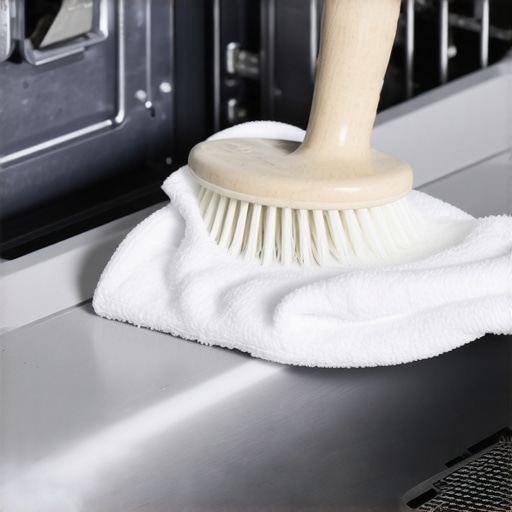
Generic cleaning advice often suggests using a sponge and some dish soap. That is insufficient for the crevice where the gasket meets the frame. You need a soft-bristled brush to reach the internal folds. This is where the “black sludge”—a mixture of bacteria and old grease—colonizes. This biofilm is surprisingly resilient. It acts as a lubricant that can cause the gasket to slip out of its track. I recall a client in a coastal property whose gasket had literally warped because of salt air combined with neglected grease. The repair required a total teardown of the door assembly. A five-minute monthly scrub would have saved $800 in labor. Neglecting this leads to moisture creep, which can eventually highlight [the kitchen cabinet gap that makes your space look unfinished](https://luxurykitchenpicks.com/the-kitchen-cabinet-gap-that-makes-your-space-look-unfinished) as the wood begins to swell and pull away from the wall.
Implementation Risks and Messy Realities
There is a risk in being too aggressive. If you use a metal scraper or a stiff wire brush, you will create micro-tears in the EPDM. These tears become breeding grounds for mold. Once mold enters the porous structure of the rubber, the gasket is functionally dead. You cannot clean it out; you have to replace it. The sensory experience of a failing gasket is distinct: the weight of the door feels ‘spongy’ rather than firm. You might notice a faint hiss during the drying cycle. That is the sound of your money escaping. According to the Association of Home Appliance Manufacturers, proper seal maintenance is one of the top factors in preventing out-of-warranty service calls. Furthermore, ensure that the surrounding surfaces can handle the moisture during cleaning. While you may have [the countertop material that actually withstands heat](https://luxurykitchenpicks.com/the-countertop-material-that-actually-withstands-heat), the underside of that same counter is often unprotected and vulnerable to the steam you let out when the door is ajar.
Strategic Foresight
In the next 24 months, we expect to see more “smart” sensors integrated into gaskets that detect pressure drops and moisture leaks in real-time. Until then, the human eye is the best diagnostic tool. The industry is moving toward higher-efficiency cycles that use less water but run for longer durations. This means the gasket is under constant moisture stress for three to four hours at a time. This increased exposure time makes monthly cleaning non-negotiable. Regulatory changes from bodies like ASTM International regarding rubber durability mean that newer gaskets are thinner to allow for better compression, but they are also more delicate.
The Executive Verdict
If your gasket feels brittle, replace it. If it is covered in a layer of gray or black residue, clean it immediately. Use a solution of warm water and a drop of enzymatic dish detergent. Dip a soft brush into the solution and work it into the groove. Wipe it dry with a microfiber cloth. Do not leave it damp. This is a “Buy” on the maintenance side—spend ten minutes now to avoid a four-figure cabinet repair later. Actionable strategy: Set a recurring calendar alert for the first Sunday of every month. Your kitchen’s longevity depends on it.
Frequently Asked Questions
Can I use bleach on my dishwasher gasket? No. Bleach will dry out the rubber and lead to cracking within months. Stick to mild, pH-neutral soaps.
How do I know if the gasket needs replacing? Look for flat spots, cracks, or any area where the rubber feels hard rather than pliable. If you see water spotting on the floor below the door corners, it’s already too late.
Why does my gasket have black spots that won’t come off? This is likely mold that has permeated the rubber. At this stage, cleaning is ineffective. Replacement is the only sanitary option.
Is there a specific lubricant I should use? Generally, no. Modern gaskets are designed to run dry. Adding lubricants like petroleum jelly can actually attract more grit and damage the material.