
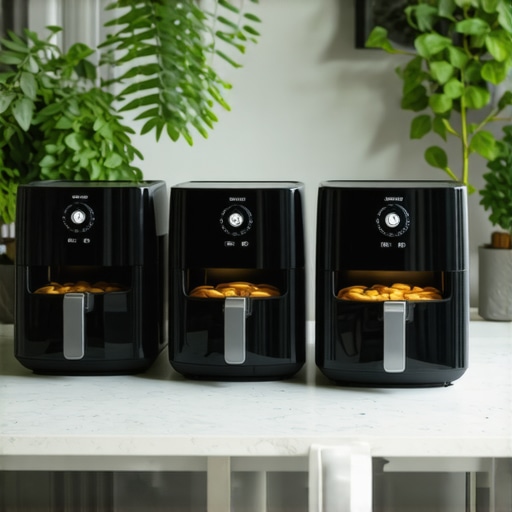
3 Ceramic Air Fryers for a Non-Toxic Kitchen Setup
Market saturation has blinded consumers to the molecular reality of high-heat cooking. For fifteen years, I have dismantled appliances to see where the engineering fails, and the verdict is undeniable: Teflon-based coatings are a liability in a high-performance environment. When a heating element pushes 400 degrees Fahrenheit, PTFE polymers begin to degrade. The result? Invisible off-gassing. If you are curating a premium kitchen, a non-stick basket that sacrifices lung health for easy cleanup is a technical failure. Ceramic-coated interiors provide the thermal stability required for safe operation without the legacy of forever chemicals found in traditional premium cookware.
The engineering under the hood of a ceramic unit relies on a sol-gel process. This isn’t just a surface layer; it is a glass-like silica coating bonded to the substrate. This construction handles thermal expansion far better than standard synthetic polymers. You can feel the difference in the weight of the basket and the lack of that distinct chemical odor during the first burn-in cycle. For those who have noticed ceramic air fryers that stop kitchen smoke, the secret lies in the surface tension of the coating which prevents carbonized buildup—the primary cause of acrid kitchen smog.
The Engineering Reality of Thermal Inertia
Air fryers are essentially miniaturized high-velocity convection ovens. In a luxury kitchen, consistency is the only metric that matters. Standard non-stick coatings are thin, often measuring less than 25 microns. Ceramic coatings in high-end models typically exceed 40 microns, providing a thermal buffer that smooths out the cycling of the heating element. This stability ensures that the exterior of your protein crisps while the interior retains moisture. It is the same principle that explains why pro chefs are trading non-stick for carbon steel; heat retention and material safety must coexist.
Implementation Risks and the Chipping Problem
Ceramic is not indestructible. It is brittle. While it survives extreme heat, it fails under mechanical impact. Drop a heavy stainless steel tong into the basket, and you risk a micro-crack. Once the silica matrix is compromised, moisture gets under the coating, leading to delamination. I have seen countless $400 units rendered useless because the owner treated them like industrial cast iron. The operational risk here is user error, not material deficiency. You must use silicone-tipped tools. No exceptions. This is the trade-off for a toxic-free environment. For better results, many enthusiasts look for air fryers that actually crisp skin without the need for excessive oil or dangerous chemicals.
Strategic Foresight for the 2026 Market
Regulatory bodies are tightening the noose around PFAS and PFOA manufacturing. The EPA’s recent health advisories suggest that what was considered ‘safe’ five years ago is now a liability. In the next 24 months, I expect a market correction where PTFE-based appliances lose 40% of their resale value. Investing in ceramic or stainless steel today is a hedge against future health regulations and changing consumer standards in the luxury kitchen space. We are moving toward a ‘Hard Surface’ era where espresso machines and air fryers alike are judged by the purity of their contact points.
The Executive Verdict
If your priority is a maintenance-free life where you can scrub your appliances with steel wool, stay away from ceramic. However, if you understand that high-performance tools require specific protocols, ceramic is the only logical choice for a healthy home. The three models currently dominating the field offer the best balance of micron thickness and fan RPM. Buy for the material science, not the digital presets.
Frequently Asked Questions
Does ceramic lose its non-stick properties over time?
Yes, through a process called carbonization. Micro-layers of burnt fat fill the pores of the ceramic. Regular deep cleaning with a baking soda paste restores the surface tension.
Are ceramic air fryers louder than Teflon ones?
The coating doesn’t affect the decibel level, but higher-end ceramic units often feature better insulated housings and brushless motors for quieter operation.
Can I use aerosol oil sprays on ceramic?
Never. Aerosol propellants like lecithin create a gummy residue that permanently bonds to ceramic coatings, ruining the non-stick surface within weeks.
Is there a risk of lead or cadmium in ceramic?
Reputable brands comply with California Prop 65 and FDA standards. Always verify third-party lab results for lead-free glazing before purchasing.