Why Your Espresso Tastes Bitter Even With Expensive Beans
Buying a three-thousand-dollar bag of specialty beans and feeding them into an uncalibrated system is an exercise in futility. The assumption that price equates to palatable results is the primary delusion of the modern home barista. After 15 years of dismantling group heads and diagnosing thermal inconsistencies in luxury kitchens, I can tell you that bitterness is rarely a bean problem. It is a mechanical failure. It is a refusal to respect the physics of extraction. If your shot tastes like liquid charcoal despite the ‘Single Origin’ label, you are likely over-extracting the organic compounds through a combination of heat spikes, excessive pressure, or poor water buffering. The result? Avoidable failure.
The Physics of Over-Extraction
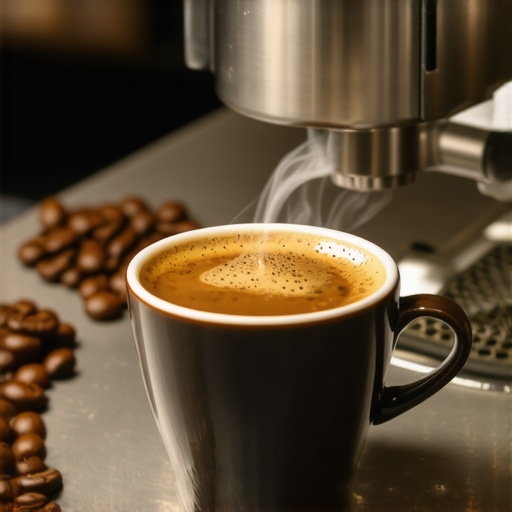
Espresso is a game of diminishing returns. The first third of your shot yields acids and oils. The middle third provides the sugars and the body. The final third, if left unchecked, yields nothing but astringency and bitter alkaloids. In high-end setups, we often see users chasing a specific yield without realizing their flow profiling machines are actually pushing the puck too hard for too long. When you force water through the coffee bed at 12 bars—a common factory setting that is objectively too high—you create micro-channels. These channels allow the water to super-heat the surrounding grounds, stripping away the bitter cellular wall materials that should stay in the puck. Professional standards from the Specialty Coffee Association (SCA) emphasize that water chemistry and temperature stability are the actual pillars of flavor, not just the bean’s price point.
[image_placeholder_1]
The Water Chemistry Buffer Trap
Your luxury kitchen likely has a water softener, which is your first mistake. Softened water replaces calcium with sodium, stripping the water of the magnesium ions required to pull flavor from the coffee. Conversely, hard water is even worse. I have seen hard water kills expensive espresso machines by coating the heating elements in calcium carbonate, leading to massive thermal fluctuations. If your boiler is set to 200°F but the element is choked with scale, the machine works overtime, often venting steam pockets that scald the coffee puck. This thermal shock is a death sentence for delicate beans. You need a bicarbonate buffer that prevents the pH from swinging too low, which would otherwise result in a thin, sour-to-bitter transition that no amount of fancy tamping can fix.
The Reality of Mechanical Fatigue
Sensory anchors don’t lie. Think of the smell of hot, scorched rubber when a group head gasket begins to fail. Or the metallic clank of a vibratory pump that can no longer sustain a linear pressure curve. These are the sounds of a machine in distress. Even the best dual boiler machines require a deep understanding of the offset between the boiler temp and the group head temp. If you aren’t flushing your group head before a shot, you are hitting your beans with ‘dead’ water that has been sitting in the pipes at a higher temperature than the PID indicates. This initial thermal spike destroys the aromatic lipids before the pump even reaches full pressure. To solve this, many are moving toward auto tamping espresso machines to remove the variable of human error, ensuring the puck density is perfectly uniform every time.
Strategic Foresight for 2026
The industry is shifting toward solid-state heating and mineral injection systems. In the next 24 months, we expect to see ‘smart’ water reservoirs that automatically adjust mineral content based on the bean’s roast profile. Regulatory changes regarding energy efficiency in appliances are also forcing manufacturers to use smaller, faster-heating thermoblocks, which require even more precise PID tuning to avoid the dreaded bitterness. The second-order effect? Traditional ‘heavy metal’ machines will become collector’s items, while the new guard of precision digital extraction takes over. Research in Food Research International suggests that chlorogenic acid degradation—the source of that harsh bitterness—is best controlled through 0.1-degree Celsius increments, a level of precision only now becoming available in home units.
The Technical Audit Verdict
If you are serious about your espresso, stop buying more beans and start auditing your hardware. My recommendation is a strict ‘Hold’ on new bean purchases until you have verified your extraction temperature with a Scace device and checked your water’s TDS (Total Dissolved Solids). If you find yourself in a situation where the shots are consistently ashy, drop your temperature by two degrees and coarsen your grind by ten microns. The strategy is simple: reduce the surface area contact time. Precision is the only way out of the bitter trap.
Frequently Asked Questions
Q: Does the roast date affect bitterness?
A: Absolutely. Beans used within 48 hours of roasting still contain excessive CO2, which interferes with water contact and causes ‘off’ bitter flavors. Aim for a 7-to-14-day rest period.
Q: Can a cheap grinder cause bitterness?
A: Yes. Low-quality burrs create ‘fines’—micro-particles that over-extract instantly, even if the rest of the grounds are the correct size.
Q: Is bitterness the same as strength?
A: No. Strength is the concentration of dissolved solids. Bitterness is the presence of specific organic compounds caused by over-exposure to heat and water.