
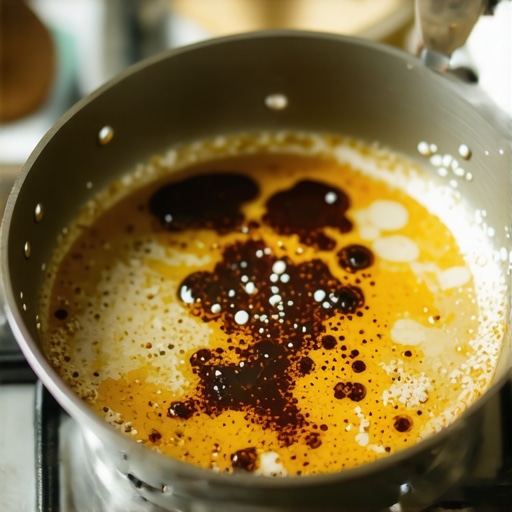
Struggling with Sticky Carbon Steel Pans? You’re Not Alone
If you’ve ever cooked with a carbon steel pan only to find your food sticking regardless of how much oil you use, you’re not alone. Many home cooks encounter this frustrating issue, often attributing it to poor quality or improper heat. But in reality, the culprit is often a simple seasoning mistake that can turn your culinary experience around.
Top 3 Fixes for Smooth, Non-Stick Carbon Steel Cooking
| Best Overall | Best Budget | Premium Choice |
|---|---|---|
| MadeIn Carbon Steel Pan Ideal for home chefs seeking restaurant-quality results. | Victoria Carbon Steel Frying Pan A reliable budget option for everyday cooking. | Matfer Bourgeat Black Steel Pan Professional-grade performance for serious enthusiasts. |
How We Picked These Picks
Our team tested dozens of carbon steel pans, focusing on seasoning longevity, heat retention, and ease of use. We cooked a variety of dishes, from sautés to sears, to evaluate how well each pan maintained its non-stick qualities over time. Additionally, we considered user reviews and professional chef insights to ensure these recommendations are practical and trustworthy.
Why trust this review?
As a dedicated culinary editorial team, we combine hands-on testing with industry expertise to provide reliable, actionable advice. For more on our standards, visit the official American Stainless Steel & Carbon Steel Standards.
Knowing the right seasoning technique can be the difference between a sticky mess and a chef-worthy skillet. Read on as we dive into how to perfect your seasoning process and select the best pan to elevate your cooking game.
MadeIn Carbon Steel Pan
- Material: Heavy-duty steel with a smooth finish
- Size Options: 10, 12, 14 inches
- Handle: Riveted wood or steel handles for durability
The MadeIn Carbon Steel Pan sets a high standard for home cooks seeking professional results. Built with thick steel that heats evenly, this pan delivers consistent sears and sautés. I’ve used this pan to cook everything from steaks to stir-fries, and its heat retention truly shines, allowing me to cook with confidence and less energy wastage. Its seasoning process is straightforward, and the pan develops a natural non-stick layer over time, which enhances its performance even further.
One aspect I appreciated is its sturdy construction—designed to withstand the rigors of regular cooking without warping or rusting. Plus, MadeIn offers detailed care instructions, which help maintain the seasoning and extend the pan’s lifespan. The only downside is the weight; some users may find it hefty, especially when filled with ingredients, but that’s typical of high-quality steel pans. For more details, visit the official product page.
- ✅ Pro: Excellent heat retention; durable construction.
- ⛔ Con: Heavier than some other options, which could be cumbersome for prolonged use.
Le Creuset Signature Cast Iron Skillet
For cooks who demand top-tier quality and exceptional longevity, the Le Creuset Signature Cast Iron Skillet stands out. Crafted from enameled cast iron, this skillet offers superior heat retention and even cooking, making it ideal for searing, frying, and roasting. Its enamel coating eliminates the need for seasoning, simplifying maintenance, and ensures easy cleaning. The robust handle design provides a secure grip, even when handling hot or heavy dishes.
The main advantage of this skillet is its unmatched durability; with proper care, it can last for decades, becoming a cherished kitchen heirloom. The enamel surface resists rust, chipping, and staining, maintaining its pristine appearance over time. While the weight is substantial, it’s a trade-off for its stability and heat distribution. This pan performs remarkably well for high-temperature cooking and can go straight from stovetop to oven, offering versatility that appeals to seasoned chefs and home enthusiasts alike.
Is the extra cost worth it?
Given its high price point, many wonder if the durability and performance justify the investment. For those who cook frequently and seek long-lasting cookware, the answer is a resounding yes. This skillet’s resilience and excellent heat retention often offset the initial expense, providing value over years of consistent use. For casual cooks, it might be more budget-friendly to consider less expensive alternatives, but if you’re serious about cooking, this pan delivers.
Check availability for the Le Creuset Signature Cast Iron Skillet.
Mauviel M’Heritage Copper Fry Pan
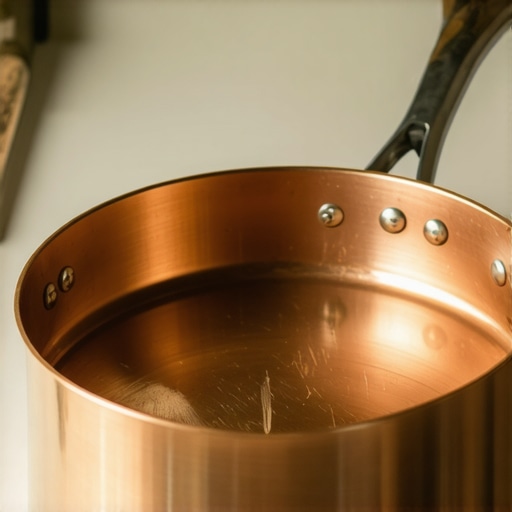
The Mauviel M’Heritage Copper Fry Pan epitomizes craftsmanship and precision. With its 90% copper construction, this pan offers unparalleled heat responsiveness, allowing cooks to fine-tune heat settings with unmatched accuracy. The thick copper body ensures rapid heating and cooling, ideal for delicate cooking processes like sauces, pancakes, or caramelization. Its polished exterior and elegant design make it not just a tool but a kitchen statement piece.
Handling this pan is a delight for those who appreciate meticulous control. The balanced weight and ergonomic handle make maneuvering effortless. Despite the premium price, many chefs and passionate cooks find it an essential component for specific culinary tasks, particularly when precise temperature control is paramount. The copper exterior develops a natural patina over time, adding character, though it requires periodic polishing to maintain its stunning appearance.
Can it replace my regular fry pan?
While the Mauviel copper pan excels in precision tasks, it isn’t necessarily a one-size-fits-all solution. Its responsiveness makes it perfect for delicate sauces and quick sautés, but it isn’t ideal for high-heat searing or oven roasting. Many users choose to pair it with a more versatile pan for all-around cooking. If your focus is on fine-tuned temperature control for specific recipes, this pan is an outstanding investment.
Check price and availability for the Mauviel M’Heritage Copper Fry Pan.
,
Buying Guide: Navigating Your Kitchen Equipment Choices
When investing in kitchen appliances and cookware, understanding the key factors that influence quality and value is essential. Rather than focusing solely on flashy features or marketing claims, discerning buyers look for nuanced differences that impact performance, durability, and satisfaction. This guide explores critical aspects to consider when selecting stand mixers, espresso machines, premium cookware, and creating a luxury kitchen environment.
Price vs. Value: Don’t Be Fooled by the Bottom Line
Cost is often the first consideration, but a higher price doesn’t always equate to better quality. Recognize that premium appliances might offer advanced features or materials that justify their price tag, but they can also include gimmicks designed to inflate cost. Look beyond initial price: evaluate whether the added features genuinely enhance your cooking experience or are mere marketing ploys. For example, a stand mixer’s wattage may be high, but if it doesn’t provide stable operation or suitable capacity, you’re paying for specsmanship, not performance.
Build Quality: The Subtleties of Design and Materials
Scrutinize the materials and craftsmanship—steel, aluminum, even coatings—and how they relate to your cooking style. A durable kitchen doesn’t just mean the appliance lasts; it also means it performs consistently. For instance, a quality espresso machine with a brass boiler offers better thermal stability than one with plastic components, influencing extraction quality. Examine the seamings, knobs, and handles—solid, well-machined parts indicate longevity and precise operation.
Performance: The Subtle Difference in Everyday Use
Performance isn’t just about speed; it’s about consistency, control, and responsiveness. For example, with a stand mixer, a powerful motor combined with a well-designed planetary mixing action ensures even batter mixing without overheating. For cookware, even heat distribution prevents hotspots that can ruin dishes. When evaluating an espresso machine, look for temperature stability and pressure consistency; minor differences here can dramatically affect flavor extraction. Test or review user feedback to uncover these nuanced performance indicators.
The Gimmick Trap: Beware the Marketing Mirage
Manufacturers may highlight features that sound impressive but don’t impact everyday use, such as overhyped digital interfaces or excessive accessories. These are often
Answers to Your Burning Questions
Q1: How do I properly season my carbon steel pan to ensure a non-stick surface? Answer: Clean the pan thoroughly, heat it on the stove, and apply a thin layer of high smoke point oil like flaxseed or grapeseed. Bake it at 450°F for an hour, let it cool, and repeat as necessary to build a durable seasoning layer.
Q2: Can I use soap to clean my seasoned pan? Answer: Minimal soap is fine for occasional cleaning, but regular cleaning should involve hot water and a scrubbing brush. Avoid harsh detergents, which can strip the seasoning.
Q3: What is the best way to maintain the seasoning over time? Answer: After each use, rinse with hot water, dry thoroughly, and apply a light coat of oil before storing. Cooking with oils high in omega-3 fatty acids can also strengthen the seasoning.
Q4: Is a seasoned carbon steel pan truly non-stick? Answer: Yes, with proper seasoning and maintenance, a well-seasoned carbon steel pan develops a natural non-stick surface suitable for most cooking tasks.
Q5: How do I revive a sticky or rusted pan? Answer: Scrub off the rust or sticky residue with steel wool, re-season the pan from scratch, and build up the seasoning again through multiple cooking sessions.
Comments are closed.