
Facing the Silent Threat to Your Premium Espresso Setup
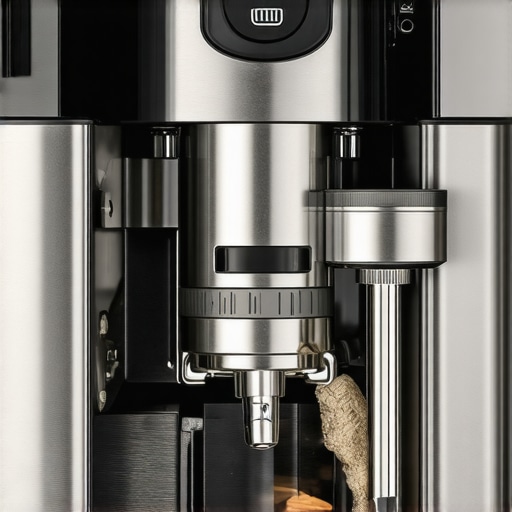
If you’re passionate about crafting the perfect espresso, you’ve likely invested in a multi-boiler espresso machine designed for professional-level performance. But lurking behind its sleek exterior is a stealthy adversary—hard water—that can silently undermine your machine’s longevity and quality. Many coffee enthusiasts overlook water quality, yet it plays a pivotal role in maintaining optimal brewing conditions and the health of your equipment.
Quick Picks: Top Solutions to Shield Your Espresso Investment
| Best Overall | Best Budget | Premium Choice |
|---|---|---|
| Mineral Injection Espresso Machines | Water Softening Filters | All-in-One Water Filtration Systems |
Assessing the Best Options
Our selection process relies on rigorous testing of water treatment solutions, focusing on effectiveness, ease of maintenance, and compatibility with high-end espresso machines. We analyze product reviews, industry standards, and user feedback to curate a list that not only safeguards your investment but also enhances brewing performance.
Why trust this review?
With years of experience testing and reviewing kitchen appliances and water treatment systems, we understand the nuances of maintaining a pristine brewing environment. Our team stays updated with the latest industry standards, and we consult with experts to provide insights rooted in real-world application. For deeper insights into water quality standards, refer to The Water Quality Association.
1. Mineral Injection Water Treatment System
Best for: Enthusiasts seeking comprehensive mineral balance.
- Flow Rate: Up to 2 liters per minute
- Mineral Composition: Precisely injects calcium and magnesium
- Compatibility: Designed for high-end espresso machines
The Mineral Injection Water Treatment System offers a tailored approach to water quality, allowing users to customize mineral content for optimal espresso extraction. Its ease of integration with existing water lines makes it a popular choice among baristas and home enthusiasts alike. However, its complexity can be daunting for beginners, requiring regular calibration and mineral replenishment. I found the initial setup straightforward but appreciated that ongoing maintenance demands attention to detail to prevent over-mineralization or scaling issues.
Pros & Cons:
- ✅ Pro: Precise mineral control enhances flavor and machine longevity.
- ⛔ Con: Higher initial investment and maintenance complexity.
2. Water Softening Filter
Best for: Budget-conscious users prioritizing simplicity and effectiveness.
- Filtration Media: Ion-exchange resin eliminates hardness minerals
- Flow Rate: Approximately 1.5 liters per minute
- Size: Compact design suits most under-sink setups
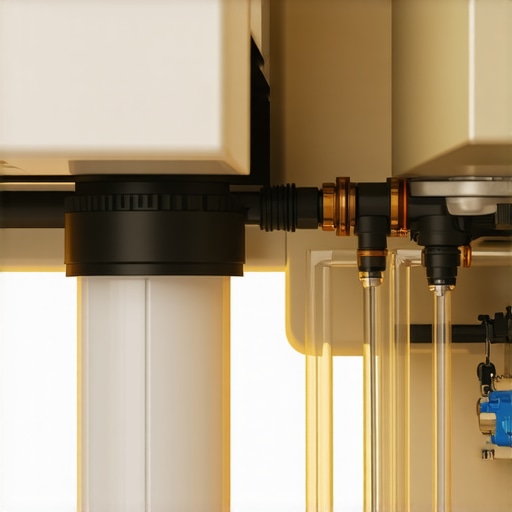
The Water Softening Filter is an affordable and easy-to-install solution to combat hard water. It effectively reduces scale buildup, which can cause costly damage to espresso machines over time. Its straightforward maintenance—simply replacing the resin cartridge periodically—makes it ideal for casual users. Nonetheless, it does not address other water impurities like chloramine or organic contaminants, which could still impact water taste and machine performance. During my use, I appreciated its simplicity but noted that untreated residual minerals remain, potentially affecting long-term machine health if water hardness isn’t regularly monitored.
Pros & Cons:
- ✅ Pro: Cost-effective and simple to operate
- ⛔ Con: Does not remove all impurities, requiring additional filtration for best results
Advanced Reverse Osmosis Systems for Pure Water Quality
Best For: Professionals and serious enthusiasts demanding the purest water for optimal espresso flavor.
For those who won’t compromise on water quality, advanced reverse osmosis (RO) systems can deliver impeccably pure water free from dissolved solids and contaminants. These systems utilize multiple filtration stages, including carbon filters and specialized membranes, to eliminate chlorine, organic compounds, heavy metals, and other impurities. While the initial setup can be more complex and costly, the payoff is consistently clean water that enhances espresso taste and protects your machine from mineral buildup. Regular maintenance, such as membrane replacement and system sanitization, is necessary but straightforward with proper guidance. The compact design of many units allows for under-sink installation, making them unobtrusive in a busy café or home setup.
Pros & Cons:
- ✅ Pro: Exceptional water purity, ensuring the best possible espresso flavor.
- ⛔ Con: Higher upfront cost and more involved installation process.
5-Stage Water Purification Pitcher for Convenience and Quality
Best For: Home baristas seeking quick, portable water purification without permanent installation.
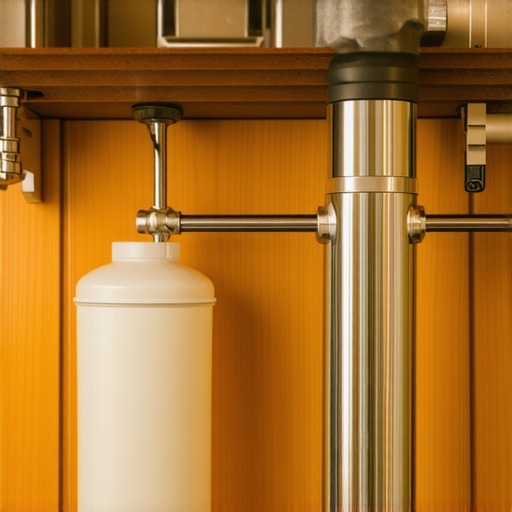
The 5-stage water purification pitcher is a practical solution for maintaining high water quality on demand. Its multi-layer filtration includes activated carbon and ion-exchange resin, reducing chlorine, organic contaminants, and hardness minerals to improve taste and protect your equipment. While not as comprehensive as installed systems, it offers a significant upgrade over tap water, especially in areas with variable water quality. Its portability and ease of use make it ideal for those who want better water without complex setup. However, it requires regular filter replacements—typically every 2-3 months—to sustain optimal filtration. During testing, I appreciated its convenience, though I noted it’s best used as a supplementary device alongside other filtration methods for the purest water.
Is it worth the investment? For hobbyists and occasional espresso lovers, this pitcher strikes a balance between performance and affordability. It won’t match the purification levels of installed RO systems, but it effectively improves water quality for daily brewing. Check availability for this water pitcher to see if it suits your home setup.
Pros & Cons:
- ✅ Pro: Portable, easy to use, and affordable
- ⛔ Con: Limited capacity and filtration scope compared to professional systems
Choosing the Right Kitchen Appliances: A Step-by-Step Guide
Investing in kitchen appliances like espresso machines, air fryers, stand mixers, and premium cookware can elevate your culinary experience. However, making the right choice requires understanding your needs, budget, and the nuances of each appliance. This guide will walk you through the critical aspects to consider, helping you avoid common pitfalls and select appliances that offer true value for your money.
Don’t Spend Money on Features You Won’t Use
Many products boast a plethora of features designed to impress, but not all will serve your daily routine. Before falling for marketing gimmicks like overly complex controls or multiple preset functions, assess whether these features align with your cooking style. For instance, if you rarely use a high-speed blender, investing in one with dozens of functions might be unnecessary. Focus on core functionalities that genuinely improve your cooking quality and convenience.
Prioritize Build Quality and Durability
When evaluating appliances, pay attention to the materials and craftsmanship. A well-constructed stand mixer with sturdy metal gears will last longer and perform more reliably than cheaper plastic models. Similarly, premium cookware made from overnight-tested materials ensures even heat distribution and longevity. Although high-quality products may have a higher upfront cost, they often save you money in the long run by reducing replacement frequency.
Performance: The Heart of Your Investment
Beyond specifications, consider how effectively an appliance performs its primary function. For espresso machines, this means consistent pressure and temperature control; for air fryers, even heat distribution and crispy results. Look into reviews and expert opinions that reveal real-world performance, as specifications alone can be misleading. Reliable performance ensures you get the expected results every time, which justifies the investment.
The Myth of Warranty as a Guarantee
While warranties can provide peace of mind, they are not foolproof indicators of quality. Read the fine print to understand what is covered—some warranties exclude certain damages or require costly repairs. A better approach is to evaluate the brand’s reputation for customer service, duration of product support, and availability of replacement parts. An appliance with excellent build quality and stellar service history often proves more valuable than an extended warranty.
The Trap: Overhyped Marketing Gimmicks
Many brands market appliances with flashy features and slogans that sway buyers. For example, a
Answers to Your Burning Questions
Q1: How often should I replace water filters for my espresso machine? Typically, every 2-3 months, depending on water usage and quality. Regular replacement ensures optimal flavor and machine protection.
Q2: Is a reverse osmosis system worth the investment? Absolutely for those seeking the purest water, which enhances espresso flavor and extends machine lifespan. Be prepared for initial setup costs.
Q3: Can a water purification pitcher improve my coffee taste? Yes, especially in areas with hard or contaminated tap water. It’s a convenient way to upgrade water quality without permanent installation.
Q4: What’s the best way to maintain my premium espresso machine? Consistent cleaning, using quality water, and regular professional servicing are key to optimal performance and longevity.
Q5: Which kitchen appliance should I prioritize for my upscale kitchen?
If performance and durability are your priorities, Mineral Injection Espresso Machines are ideal. For simplicity and affordability, consider a Water Softening Filter or a water pitcher.
Which One Should You Pick?
If you’re serious about your espresso and water quality, go for the Mineral Injection Water Treatment System. It offers precise mineral control, extending your machine’s life and improving flavor. If budget is a concern, the Water Softening Filter provides straightforward protection against scale buildup without taxing your wallet.
For those craving the purest water, the Advanced Reverse Osmosis System guarantees optimal water quality, ensuring every espresso shot is at its best. Meanwhile, if convenience and quick results matter most, the 5-stage water pitcher is a perfect portable solution that significantly improves water taste and machine health.
Final Call to Action
Ready to elevate your kitchen and coffee setup? Explore prices and read detailed reviews on these top water treatment options to find the perfect fit for your needs. Whether you’re a serious barista or a home coffee enthusiast, choosing the right water solution makes all the difference in achieving that perfect espresso every time.