
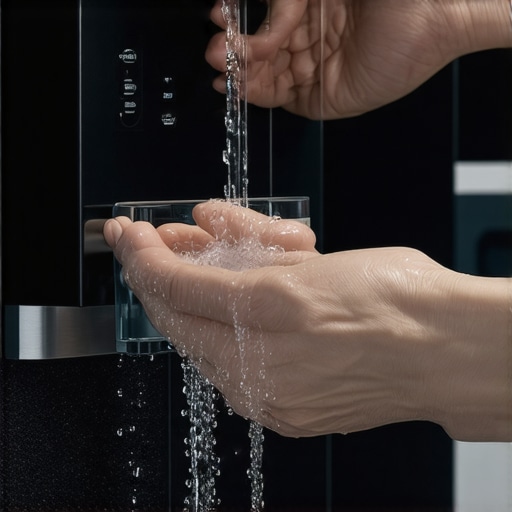
How to Clean the Water Reservoir of a Built-In Coffee Maker
Neglecting the water reservoir of a high-end built-in coffee maker is a calculated risk that usually ends in mechanical failure. After fifteen years of diagnosing hydraulic blockages and pump cavitation in luxury kitchens, I can state one objective truth: the reservoir is the most overlooked biological hazard in the home. Most owners assume that because the water is hidden behind a custom cabinetry panel, it remains pristine. It does not. Stagnant water in a dark, warm enclosure is the ideal substrate for biofilm development. This isn’t just about the flavor of your morning extraction. It is about protecting a four-figure investment from the corrosive effects of mineral scale and organic sludge. If you value the longevity of your espresso machines, hygiene is not optional. The result? Avoidable failure.
The Biological Reality of Stagnation
Water sitting in a plastic or glass-lined reservoir undergoes chemical changes. Carbon dioxide dissolves into the water, lowering the pH and making it slightly acidic. Over time, a thin layer of microorganisms—biofilm—adheres to the reservoir walls. You might feel it as a slippery texture. This slime eventually detaches and enters the intake valves, clogging the fine mesh filters and forcing the pump to work under high vacuum pressure. This is a primary reason why your espresso machines pump is vibrating more than it should. The pump is struggling to pull fluid through a restricted orifice. From an engineering standpoint, the cost-benefit of weekly cleaning is obvious. A five-minute rinse prevents a three-hundred-dollar pump replacement and the associated labor costs of a specialized technician.
The Technical Truth of Scale Accumulation
Hard water is the silent killer of the thermoblock. When calcium and magnesium ions are heated, they precipitate out of the solution, forming solid calcification. While most modern units have a descaling alert, that sensor usually monitors the internal lines, not the reservoir itself. If the reservoir has visible white crusting, your internal sensors are already lagging. You must use a citric acid-based solution or a proprietary descaling agent. Avoid vinegar. The high acetic acid content is too aggressive for the internal silicone gaskets and can lead to a situation where your espresso machine is leaking from the bottom. Industry standards from the Specialty Coffee Association (SCA) suggest that water should contain no more than 175 ppm of total dissolved solids for optimal machine health.
The Mechanical Execution of Cleaning
First, isolate the unit. Most built-in models require you to slide the machine forward on its telescopic rails. Remove the reservoir and empty it completely. Use a non-abrasive microfiber cloth. Abrasive sponges create micro-scratches in the plastic where bacteria can hide. If you find stubborn mineral deposits, soak the tank in a mixture of warm water and a specialized espresso machine cleaner. The smell of ozone or stale water indicates that the organic buildup has begun to ferment. Rinse until the water runs clear. This is also the time to inspect the intake valve at the base of the tank. If the spring-loaded gasket is brittle, you are looking at a future leak. I have seen countless luxury kitchens damaged because a five-cent o-ring failed after being caked in lime. Addressing this prevents you from having to fix a leaky group head gasket or other deep-system failures later.
Implementation Risks and The Human Factor
I recall a client in a high-rise who used bottled spring water thinking it was ‘pure.’ Within six months, their $5,000 built-in unit was a brick. The mineral content of that specific spring water was so high it had fused the flow meter. The sensory reality was unmistakable: the clank of a struggling motor and the acrid smell of a heating element trying to fire through a layer of stone. The mess was incredible. When we pulled the reservoir, it looked like a salt mine. The lesson is simple: do not trust ‘natural’ water. Use filtered, softened water, but ensure it retains enough mineral content for the sensors to detect fluid levels. Total demineralization through reverse osmosis can sometimes confuse the conductivity sensors, leading the machine to think it is empty when it is full.
Strategic Foresight for the Modern Kitchen
The next 24 months will see a shift toward fully plumbed built-in units with integrated UV-C sterilization in the water path. This tech is migrating from the medical industry into the luxury appliance sector. We are also seeing smarter sensors that measure water turbidity in real-time. Until these become standard, the manual maintenance of the reservoir remains the single most important factor in your machine’s MTBF (Mean Time Between Failure). As local water tables fluctuate, expect higher mineral variability. A proactive approach is the only way to ensure your espresso does not taste like battery acid due to chemical imbalances.
The Executive Verdict
If your reservoir has not been scrubbed in the last seven days, it is dirty. If you are using unfiltered tap water, you are shortening the lifespan of your appliance by 40%. My recommendation: implement a strict Sunday morning maintenance protocol. Empty, scrub, rinse, and refill with filtered water. If you notice any resistance when sliding the reservoir back into the manifold, stop. Forcing it will snap the intake nipple, necessitating a full chassis disassembly.
Frequent Inquiries Regarding Reservoir Maintenance
Can I put my water reservoir in the dishwasher?
Generally, no. The high heat of a dishwasher cycle can warp the plastic or degrade the integrated gaskets, leading to vacuum leaks or improper seating.
How often should I replace the water filter inside the reservoir?
Every two months or 50 liters, whichever comes first. An expired charcoal filter becomes a breeding ground for bacteria rather than a defense against it.
Why is there green algae in my coffee maker tank?
Algae requires light and nutrients. If your built-in unit is near a window or has an internal display light that stays on, and the water is left for weeks, photosynthesis occurs. Deep clean immediately with a food-safe sanitizer.
Does a built-in coffee maker need a dedicated water line?
While many high-end units offer a plumbed-in option, most still rely on a reservoir. If you have the choice, plumbing with an inline filtration system is superior for both flavor and machine longevity.