
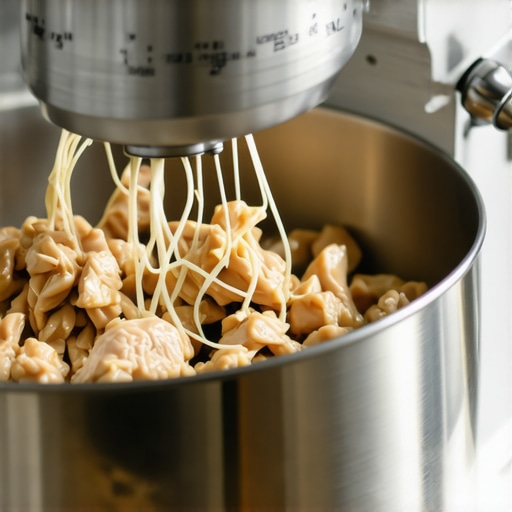
The Secret to Using Your Stand Mixer for Shredding Meat
Shredding meat with a stand mixer is a calculation of torque and structural integrity rather than a simple kitchen hack. For the technical purist, treating a high-end appliance like a common woodchipper is an invitation for mechanical failure. After fifteen years in the luxury kitchen industry, I have seen too many zinc-cast housings cracked by owners who thought a pork shoulder was as soft as cake batter. The stakes are real. A replaced worm gear costs a fraction of a new machine, but the downtime in a high-performance kitchen is the true expense. The secret resides in the physics of the flat beater and the temperature of the protein fibers.
The Engineering Reality
The mechanics of meat shredding rely on the planetary mixing action of your device. Unlike traditional hand-shredding, which pulls fibers apart with vertical force, the stand mixer applies lateral shear. This is why the flat beater is the only viable tool for the job. Avoid the dough hook and the whisk. The whisk will trap fibers in its wires, creating a cleaning nightmare, while the dough hook lacks the surface area to catch the meat. The goal is to use the paddle to catch the muscle grain and pull it across the bowl’s radius. This process requires low speeds. Speed settings above ‘2’ on most professional models increase the risk of the motor housing vibrating loose. According to the USDA, maintaining internal meat temperatures is vital for safety, but for the mixer, it is about the structural breakdown of collagen. Hotter meat shreds easier. Cold meat provides too much resistance for the sacrificial gears designed to protect the motor from burning out.
The Stress Test
Operational risks manifest the moment you overload the bowl. I remember a client in a high-rise loft who tried to shred ten pounds of cold brisket at once. The result? Avoidable failure. The smell of ozone filled the room, followed by the distinct ‘clack’ of a stripped gear. You must feel the machine. Place your hand on the head of the mixer. If the casing feels hot to the touch or if you hear a high pitched whine, you are exceeding the duty cycle of the motor. The vibration through the counter should be minimal. If the mixer begins to walk, stop immediately. You are likely fighting connective tissue that should have been trimmed or cooked longer. You should also regularly check the hidden grease in your stand mixer attachment hub to ensure no meat juices have migrated into the mechanical housing, which causes rancidity and gear slip.
Market Corrections Ahead
The luxury appliance market is shifting toward lighter, high-RPM motors that paradoxically have less low-end torque. This is a problem for those using their mixers for heavy-duty meat prep. Within the next 24 months, we expect to see more ‘smart’ sensors that will shut down the machine if it detects the resistance of a tough roast. This protective tech is a response to the rise of home-cooking trends that push consumer-grade machines to industrial limits. If you are operating a machine from 2020 or later, your internal gears are likely plastic by design—a fail-safe that makes shredding meat more dangerous for the machine’s longevity. Watch for overheating during heavy tasks as a sign of this thin margin of error.
The Executive Verdict
Use the stand mixer for shredding only when the meat is tender and the volume justifies the cleanup. For single portions, stick to forks. If you are processing large batches for a residence, use the flat beater on the lowest possible speed and never fill the bowl more than halfway. Ensure the meat is at least 160 degrees Fahrenheit to facilitate the easiest fiber separation. If the motor struggles, add a splash of cooking liquid to reduce friction. This is a strategic move to preserve your equipment while maximizing efficiency.
Questions From the Field
Does this work for chicken breast?
Yes, but it is the most likely to turn into a paste if you run the mixer for more than 30 seconds. Watch the texture closely.
Can I use the stainless steel bowl or glass?
Stainless steel is preferred. Glass bowls are heavier and can resonate vibrations more intensely, increasing the risk of the locking mechanism failing during high-torque tasks.
What if my mixer starts making a clicking sound?
Stop. Clicking usually indicates a gear tooth has been compromised. Continued use will lead to a total seize of the planetary assembly.