
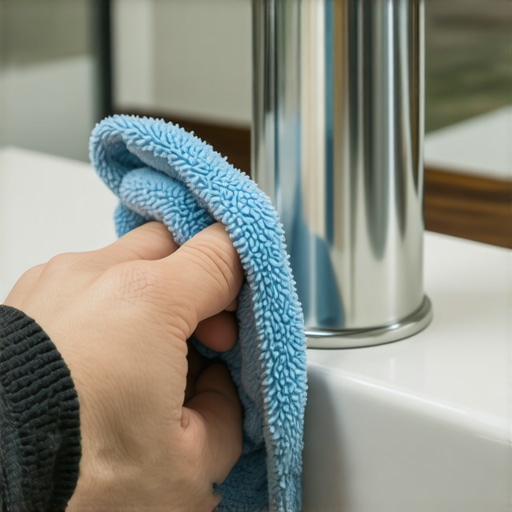
Polished nickel is the gold standard for high-end kitchens, yet it is notoriously unforgiving. If you treat a scratch in nickel the way you treat stainless steel, you will destroy the piece. I have seen countless luxury faucets ruined by a single application of an aggressive abrasive. The reality? Polished nickel is a soft, living finish. It demands a chemical approach rather than a mechanical one. After running this company for 15 years, I have learned that the depth and warmth of nickel come at the price of surface vulnerability. Getting this wrong is not just an eyesore; it is an expensive failure that often requires a full fixture replacement.
The Engineering Reality
Nickel plating typically sits at a thickness of about 10 to 15 microns. Underneath lies the brass substrate. When you see a scratch, you are seeing a physical displacement of that thin top layer. To buff it out, you are essentially leveling the surrounding field to match the depth of the valley created by the damage. This is why the most durable hardware finishes require understanding their molecular limits before you start scrubbing. You need a non-abrasive metal polish specifically formulated for precious metals. Avoid any product containing anhydrous ammonia or coarse grits. The goal is a chemical reduction of oxidation and a gentle relocation of surface molecules.
The ROI of Quality Maintenance
Maintaining the luster of your fixtures preserves the valuation of high-end real estate. Polished nickel acts as a mirror for your luxury kitchen upgrades, reflecting the light from your designer pendants and the sheen of your premium cookware. If the finish is clouding, you are losing that visual impact. A cost-benefit analysis favors a slow, manual buffing process over the replacement cost of a premium bridge faucet, which can easily exceed three thousand dollars once labor is factored in.
The Thermal Friction Risk
The smell of the sulfurous polishing compound is your first warning. It signals the chemical reaction taking place. I remember a project in a local estate where a homeowner tried to use a high-speed rotary tool on a bridge faucet to speed up the process. The result? Permanent scarring. You feel the weight of the solid brass body as you work, but that does not mean the surface is invincible. High-speed buffing generates heat. This heat can cause the nickel to delaminate from the nickel-acetate bond. If you burn through the nickel, the copper-colored brass will peek through. It is a death sentence for the aesthetic. You must use hand pressure only. The resistance of the microfiber cloth against the metal should feel smooth, never dragging. If you feel heat through the cloth, you are moving too fast.
Why Standard Methods Fail
Generic hardware store advice often suggests using vinegar or baking soda. Stop. The acidity in vinegar can pit the surface of polished nickel over time. Baking soda, while seemingly fine, is an abrasive. When you apply it to a mirror-finish surface, you create thousands of micro-scratches that dull the reflection. This is why people who polish scratched sinks with industrial compounds often fail when they move that same logic to their faucets. The surface area is different, the plating method is different, and the consequences of error are much higher.
Market Corrections Ahead
As we look at the industry over the next 12 to 24 months, we see a shift toward Physical Vapor Deposition (PVD) finishes. However, for those who value the classic depth of traditional electroplating, maintenance remains a manual art. Standards set by the NKBA emphasize that finish longevity is tied directly to the pH of cleaning agents used in the home. Regulatory changes regarding plating chemicals are also making traditional polished nickel harder to manufacture, meaning your existing fixtures are becoming more valuable and harder to replace with exact matches. Preservation is the only logical strategy. We are also seeing a trend where homeowners integrate professional-grade espresso machines and air fryers into their wet bar areas, increasing the frequency of water splashes on these sensitive finishes.
Executive Verdict
If the scratch is deep enough to catch a fingernail, it has likely penetrated the plating. In this situation, professional replating is the only fix. For surface swirls and light scratches, use a high-quality jeweler’s rouge and a 400 GSM microfiber cloth. Apply the compound in a circular motion with light pressure for sixty seconds, then buff clean with a fresh cloth. If the scratch remains, repeat the process twice more. If there is no improvement after the third pass, stop. You have reached the limit of the finish. For future protection, apply a carnauba-based wax every six months to create a sacrificial barrier against hard water and oils. This is the strategy used by top-tier restoration experts to maintain historical accuracy and modern luxury standards as defined by IAPMO codes.
Frequently Asked Questions
Can I use a scouring pad on polished nickel?
Never. Even the blue “non-scratch” pads will leave visible haze on a polished nickel surface. Only use microfiber or specialized polishing cloths.
Does polished nickel patina over time?
Yes. Unlike chrome, nickel will develop a slightly golden hue as it oxidizes. This is a natural characteristic, not a defect. Buffing removes this oxidation to reveal the silver-white metal underneath.
Will wax prevent future scratches?
A high-quality wax creates a micro-layer that helps prevent water spots and light abrasions from cleaning, but it will not protect against heavy impacts from pots or pans.
How do I know if I have buffed too much?
If the metal starts to take on a yellowish or pinkish tint, you are seeing the base metal through the nickel. Stop immediately, as the plating has been compromised.