
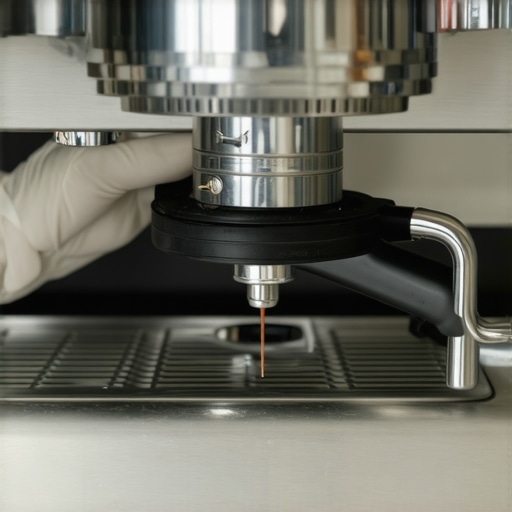
How to Fix a Leaky Group Head Gasket in 10 Minutes
A leaking group head is not a mere inconvenience; it is a fundamental failure of the pressure-temperature equilibrium required for specialty coffee extraction. When water bypasses the basket rim, you are losing more than just fluid. You are losing the hydrostatic integrity that defines a 9-bar extraction. My tenure in the specialty equipment sector has taught me one absolute truth: the gasket is the most overworked component in your luxury kitchen. Neglecting it is a direct path to pump cavitation and ruined internals. The result? Avoidable failure.
The Physics of Compression Seals
The interface between the portafilter and the group head relies on an elastomer ring, usually EPDM rubber or food-grade silicone. This seal must withstand temperatures exceeding 200 degrees Fahrenheit and pressures that would crush a standard plumbing fitting. Over time, the constant heat cycles lead to vulcanization, turning soft rubber into a brittle, plastic-like ring that can no longer conform to the irregular surface of the basket rim. Modern espresso machines require a perfect seal to maintain thermal stability. If you feel the weight of the industrial grade steel portafilter requiring more force to engage, the seal has already begun its descent into failure.
Technical specifications from the Specialty Coffee Association (SCA) suggest that temperature stability is the backbone of flavor profile development. A leak introduces air and causes a pressure drop that results in sour, under-extracted shots. Understanding the hidden seal that makes your espresso machine leak from underneath is a prerequisite for any serious owner. You are not just fixing a drip; you are recalibrating your extraction environment.
Precision Replacement Workflow
Start by heating the machine. Cold rubber is stubborn. Warm rubber is pliable. Once the group is warm to the touch, use a sturdy dental pick or a specialized gasket hook to pierce the old seal. You will likely hear the snap of brittle rubber. Remove it in sections if necessary. This is where most amateurs fail; they leave behind microscopic remnants of the old gasket. Those remnants create a uneven seat for the new seal. Clean the groove with a brass-bristle brush. The smell of fresh adhesive or scorched coffee oils will be prominent here. Wipe the interior of the group with a lint-free microfiber cloth until the surface is mirror-smooth.
Insert the new gasket with the beveled edge facing upward. This is a non-negotiable step for E61 group heads. If you are using a silicone upgrade, it will feel softer and more forgiving. Once the gasket is hand-pressed into the groove, use your portafilter without the basket to press it home evenly. This ensures the seal is perfectly horizontal. Misalignment is a primary cause of premature wear. Maintenance should follow the correct way to descale a dual boiler espresso machine to ensure no mineral debris enters the sealing chamber during this process.
The Cost of Thermal Degradation
Operating a machine with a compromised seal is a financial gamble. The pump must work harder to maintain the target pressure, leading to motor fatigue. Furthermore, the excess moisture escaping upward often corrodes the wiring looms found in prosumer machines. The heat involved often matches the stress seen in prosumer espresso machines that overheat during consecutive extractions. I have seen motherboards short-circuited because a three-dollar gasket was ignored for six months. It is an economic absurdity.
Consider the National Sanitation Foundation (NSF) standards for food-grade materials. Old, degrading gaskets can leach off-flavors into your water. When the rubber cracks, it creates microscopic pockets where stagnant water and old coffee oils reside. This is where the metallic or “burnt plastic” taste originates. High-end premium cookware and kitchen tools require periodic overhauls to maintain peak performance; your espresso machine is no exception.
Market Shifts Toward Silicone
The industry is moving away from black EPDM rubber. In the next 12 to 24 months, we expect to see a total pivot toward high-temperature silicone across all luxury brands. Silicone does not harden with age. It provides a soft, leak-free seal with less torque required on the portafilter handle. This reduces the wear on the group head lugs themselves—an expensive part to replace. If you are still using rubber, you are working with yesterday’s technology. The strategic move is to stock a three-year supply of silicone gaskets today. Supply chain volatility in the elastomer sector is real, and the specific 8mm or 8.5mm sizes for E61 groups are often the first to go out of stock during peak demand cycles.
Executive Maintenance Verdict
My recommendation is a hard “Replace Every Six Months” policy, regardless of visible leaks. If you wait for the drip, you have already compromised dozens of coffee extractions. Upgrade to a 74 shore-hardness silicone gasket immediately. This is the sweet spot between durability and sealing capability. If you find your portafilter handle pointing past the 6 o’clock position, your gasket is too thin or too worn. Immediate intervention is required. This is the difference between a technician and an owner who respects the engineering under the hood.
Frequently Asked Questions
Q: Why is my new gasket still leaking?
A: You likely have a nick in your portafilter rim or haven’t fully cleaned the group head groove. Even a grain of sand will prevent a perfect seal at 9 bars of pressure.
Q: Is silicone really better than rubber?
A: Yes. It handles the 200-degree environment of a dual-boiler machine without hardening, providing a consistent feel for years rather than months.
Q: What size gasket do I need?
A: Most E61 groups take an 8mm or 8.5mm gasket. Check your manufacturer’s specs, as even a 0.5mm difference changes the engagement angle of the handle.
Q: Can I use olive oil to lubricate the gasket?
A: Never. Use only food-grade Molykote 111 or a similar high-temp silicone grease. Organic oils will go rancid and sticky under heat.