
The Only Way to Clean a Burnt Dutch Oven Without Scrubbing
Abrasive pads are the primary enemy of cookware longevity. If you are reaching for a stainless steel scourer to fix a carbonized mess in your premium Dutch oven, you are making a $400 mistake. After fifteen years in the high-end kitchen industry, I have seen hundreds of heirloom pots ruined not by the fire, but by the cleaning process that follows it. The stake is simple: vitreous enamel is glass, and glass does not respond well to friction. Once you compromise the surface tension of that enamel with microscopic scratches, your pot will never be non-stick again. My thesis is definitive: cleaning a burnt Dutch oven is a matter of chemistry and thermodynamics, not manual labor.
The science of carbonization is often misunderstood by the average home chef. When proteins and sugars are subjected to prolonged heat beyond their smoke point, they undergo a chemical bond with the enamel surface. This is not just ‘food sitting on top’ of the pot. It is a molecular attachment. To break this bond, we must leverage the alkaline properties of sodium bicarbonate combined with controlled thermal energy. Most people fail because they do not understand the heavy bottom secret to preventing scorched sauces, which is the foundational engineering of these vessels. If you are struggling with recurring burns, it often points to a lack of thermal mass or improper heat distribution.
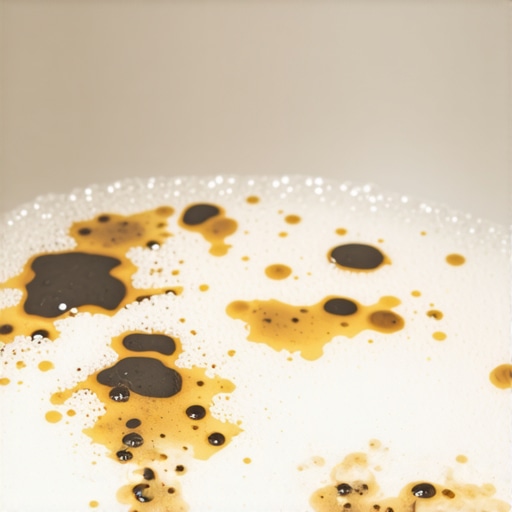
The mechanics of the solution require zero friction. Fill the vessel with approximately two inches of water and add two tablespoons of baking soda. Bring this mixture to a rolling boil. As the water reaches 212 degrees Fahrenheit, the baking soda initiates a mild alkaline reaction that weakens the carbonized bonds. Use a wooden spatula—never metal—to gently nudge the debris. It should lift away like a skin. This is the same logic used in industrial degreasing but tailored for delicate vitreous surfaces. The result? A pristine finish without the micro-fissures caused by ‘elbow grease.’ In my experience, even the most severe burns from high-sugar reductions succumb to this process within fifteen minutes. Understanding the reason your induction hub wont work with that one heavy pot often reveals how localized hotspots contribute to these burnt disasters in the first place.
The Enamel Integrity Conflict
The messy reality involves thermal shock. I recall a client who spent $2,000 on a luxury cookware set only to have the enamel ‘craze’ and pop off in shards because they rinsed a piping hot pot with cold water. You can hear the sound—a sickening metallic ‘tink’ that signals the end of the pot’s life. This is the catastrophic failure of material science. Enamel and cast iron expand and contract at different rates. When you force a rapid temperature change, the bond between the two fails. This operational risk is why I insist on a cooling period before the boiling water treatment. It is also why why clad stainless steel is better than disk bottoms for those who cannot master the temperature control required for cast iron.
Furthermore, standard dish soaps are often too weak for carbonized proteins, yet many commercial ‘heavy duty’ cleaners contain lye or other corrosives that can dull the luster of your finish over time. We are looking for the Goldilocks zone of chemistry. The industry is moving toward more resilient coatings, but the fundamental physics of glass-on-iron remains unchanged. According to the Cookware Manufacturers Association, improper cleaning is the leading cause of warranty claim denials. You must follow the technical specifications of the material, not the marketing fluff on the box.
Strategic Market Foresight
Looking ahead into the 2025 luxury kitchen market, we are seeing a shift toward ‘functional aesthetics’ where the durability of the piece is as important as the brand name. Regulatory changes regarding PFAS and other non-stick chemicals are driving consumers back to traditional enameled cast iron and carbon steel. However, the lack of technical education among users leads to high turnover in these products. My prediction? We will see a rise in specialized ‘cookware restoration’ services as the cost of premium raw materials continues to climb. If you own a high-quality Dutch oven today, it is an asset. Treat it like one. Avoid the temptation of ‘quick fixes’ like vinegar and salt, which act as a mild sandpaper on your finish. The ASTM International standards for surface cleanability emphasize that maintaining the original smoothness of a finish is the only way to ensure long-term hygiene and performance.
The Executive Verdict
If your Dutch oven is currently a black-bottomed mess, do not scrub. My recommendation is a ‘Hold’ on all abrasive actions. Execute the boiling alkaline method immediately. If the stain persists, a secondary soak with a specialized enzymatic cleaner designed for protein breakdown is the only acceptable follow-up. This is an investment in your kitchen’s ROI. A well-maintained Staub or Le Creuset should last three generations. A scrubbed one will last three years.
Expert Guidance FAQ
Can I use bleach to whiten the interior? No. Bleach can be too aggressive for the enamel pigments and may lead to pitting over time. Stick to the baking soda method or a dedicated enamel restorer.
Why did my Dutch oven burn even on low heat? This is usually a sign of ‘dry heating’ where the fat content was insufficient for the thermal load, or the pot was not properly preheated, leading to localized hotspots.
Is the lid safe to clean this way? Generally, yes, but ensure any non-metal knobs (like phenolic resins) are not subjected to prolonged boiling temperatures if they aren’t rated for high heat.