
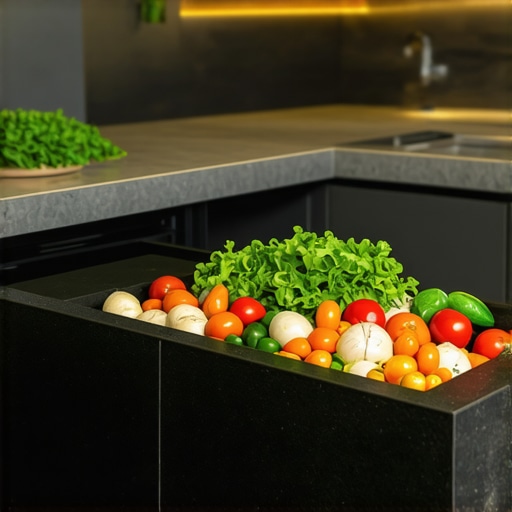
Why Your Kitchen Island Needs an Integrated Compost Bin
Most luxury kitchen builds focus on the visual impact of Calacatta marble or the mechanical prowess of commercial-grade espresso machines. They ignore the waste stream. After 15 years of consulting on high-profile kitchen renovations, I have learned that a kitchen’s true ROI is measured by how it handles the mess of creation. Integrating a compost bin directly into your island countertop is not a trend. It is a fundamental shift in residential waste logic. If you are designing for a 2025 lifestyle and you are still walking five feet to a trash pull-out with wet vegetable scraps dripping across your hardwood floor, your design has failed.
The Engineering Reality
An integrated compost system relies on a flush-mount rim and a heavy, gasketed lid. We are talking about surgical-grade 304 stainless steel. The bin sits recessed into the stone, usually near the prep area. This placement is strategic. When you are processing three pounds of mirepoix, the physical movement of turning toward a floor-based bin represents a cumulative loss of culinary momentum. The result? Small piles of organic waste sitting on your counter for hours. A flush-mounted bin solves this through immediate proximity. You scrape, it disappears, and the seal prevents anaerobic odors from escaping. This setup works best when paired with superior task lighting that ensures you see every scrap before it stains your porous stone surfaces.
The ROI of Waste Efficiency
High-end real estate markets now demand sustainable infrastructure. A kitchen that treats organic waste as a secondary thought feels dated. By building the system into the island, you effectively treat food scraps like a utility rather than a nuisance. This adds tangible value for buyers looking for ‘green-ready’ homes. It also preserves the integrity of your cabinetry. Traditional under-sink bins often lead to moisture damage and wood rot from steam rising off decomposing scraps. A dedicated, ventilated countertop insert isolates this risk. To optimize the workflow, many of my clients also realize why your island needs a second sink for prep, creating a high-efficiency zone that separates washing from waste management.
Implementation Risks and The Messy Reality
Designers often miss the gasket specifications. If the seal is not airtight, the scent of week-old cabbage permeates the open-concept living area. I’ve seen $500,000 renovations where the owner forgot to account for the bin’s depth, clashing with the best layout for a double galley luxury kitchen by blocking drawer slides. You must verify the vertical clearance. There is also the ‘yuck factor’ of cleaning the insert. If you buy a cheap, thin-gauge bucket, it will rattle every time you drop a lemon peel. You need a heavy-bottomed container that sits with a definitive ‘thunk.’ According to standards from organizations like the U.S. Green Building Council, integrated waste management is a key component of high-performance residential design.
Strategic Market Foresight
Local municipalities are moving toward mandatory organic waste separation. Over the next 24 months, I expect to see building codes in luxury zip codes require these systems in new builds. If you install one now, you are future-proofing your property against upcoming regulatory shifts. We are moving away from the era of ‘hide the trash’ and toward the era of ‘process the resources.’ Modern high-end homeowners view waste as a logistics challenge to be solved with engineering. The market is shifting; stay ahead of it.
Executive Verdict
If you are in the middle of a slab selection or cabinet layout phase, add the integrated bin now. It is a low-cost hardware addition with a high-impact lifestyle return. Do not settle for the plastic bins found at big-box retailers. Insist on a rim-flush stainless steel model with a charcoal-filtered lid. This is the hallmark of a kitchen that actually works. If you are planning a premium cookware upgrade, ensure your workspace is ready to handle the prep volume that high-end cooking demands.
Frequently Asked Questions
Does a countertop compost bin attract fruit flies? Not if you use a gasket-sealed lid. Fruit flies are attracted to open sources of decay; a flush-mount system with a tight seal denies them entry.
Will it stain my quartz or marble? The bin itself is stainless steel, but the surrounding stone can be at risk if you are messy. Use a model with a wide flange to protect the stone edges from acidic juices.
How often do I need to empty it? For a standard two-person household, every 2-3 days is the technical sweet spot to prevent significant odor buildup before the scraps move to an outdoor bin.
Can I retro-fit this into an existing island? It is difficult. You need a precise cutout in the stone. It is always better to plan this during the initial fabrication of the countertop.