
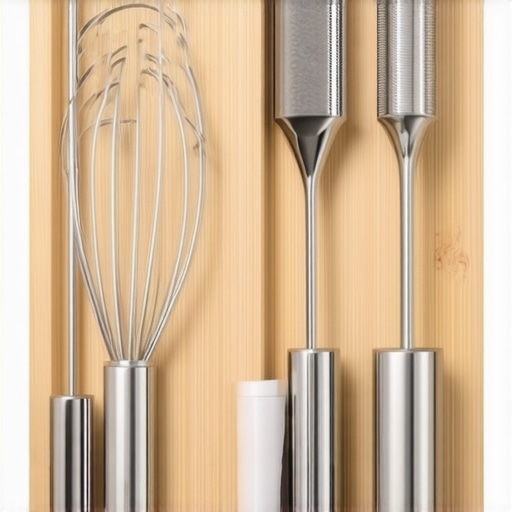
Storing your stand mixer tools in a cluttered drawer is more than a messy habit; it is a direct threat to the mechanical precision of your kitchen equipment. After fifteen years in the high-end appliance sector, I have diagnosed dozens of motor failures that trace back to compromised attachment hubs. People treat these tools like disposable silverware. They are not. They are precision-engineered components that require specific care to maintain their tolerance levels. When two metal attachments collide repeatedly in a drawer, they develop burrs. Those burrs eventually score the internal drive shaft of your machine. The repair bill for a stripped gear assembly? Avoidable. Professional storage is the only way to safeguard your investment.
The Best Way to Store Your Stand Mixer Attachments Safely
The core problem with standard storage is the interaction between dissimilar metals. Most luxury mixers come with a mix of cast aluminum, burnished metal, and stainless steel. When these sit in a humid environment or rub against each other, galvanic corrosion or simple abrasive wear occurs. You can see the evidence when why your stand mixer attachments turn grey after a dishwasher cycle because the protective layer has been stripped away. A professional-grade storage solution focuses on isolation. This means using dedicated pegboards or custom-fit foam inserts. By keeping each tool in a fixed position, you eliminate the impact damage that occurs during drawer cycles. The weight of a heavy dough hook hitting a delicate wire whip can deform the wires, leading to poor aeration and uneven mixing.
The Mechanical Reality of Attachment Wear
Think about the friction. A stand mixer operates on tight tolerances. If the pin that locks the beater to the shaft is bent by even a fraction of a millimeter because it was crushed under a heavy Dutch oven, the alignment shifts. This leads to the bowl-clipping phenomenon. I’ve seen clients lose entire batches of meringue because a bent whisk couldn’t reach the bottom of the bowl. Beyond the tool itself, you must consider the hub. Storing attachments on the machine itself might seem efficient, but it puts constant lateral pressure on the spring-loaded shaft. Over time, that spring loses its tension. The result? A wobbly connection that shakes the whole machine during heavy tasks. If you are serious about baking, you know why high torque motors are essential for whole wheat doughs, and those motors need a perfect connection to the hook to function without overheating.
The Implementation Risk of Creative Hacks
I have seen every DIY storage hack in the book. Magnetic strips are a favorite, but they are risky for heavy dough hooks. The weight often exceeds the magnetic pull-force, leading to a heavy metal drop on a granite countertop. That is a double-loss scenario. Then there are the hanging hooks under cabinets. If these aren’t secured into studs, the constant vibration of the kitchen—or the weight of the tools—will pull the screws right out of the MDF. I remember a client in a high-rise who used cheap plastic clips. They snapped in the middle of the night. The sound of a heavy cast hook hitting the floor was enough to wake the neighbors. To avoid this, look for the drawer organizer that actually holds oversized utensils specifically designed for high-density kitchen tools. You also need to actively monitor for environmental factors. Humidity in the kitchen can lead to oxidation. This is why learning how to prevent rust on your stand mixer attachments is just as important as where you put them. Always dry every tool by hand before placing it back in its designated spot.
The Future of Kitchen Organization
In the next 18 months, we are going to see a massive shift toward integrated appliance garages that feature built-in vertical docking stations. The market is moving away from the ‘junk drawer’ mentality as homeowners realize the cost of replacing premium accessories. We are seeing more demand for custom cabinetry that includes felt-lined slots for each specific beater and whisk. This isn’t just about vanity; it is about protecting the resale value of the home and the longevity of the kitchen tools. Modern luxury kitchens now treat appliances like the precision instruments they are. Regulatory standards from organizations like the National Sanitation Foundation (NSF) are also beginning to emphasize cleanability in storage, which means non-porous surfaces are replacing old wooden blocks.
The Executive Strategy
My recommendation is simple. If you have the wall space, install a heavy-duty pegboard with rubber-coated hooks. This keeps the attachments dry, separated, and easy to inspect for wear. If you must use a drawer, invest in custom-cut foam or a high-end divider system that prevents any metal-on-metal contact. Never stack them. The cost of a storage upgrade is pennies compared to the cost of replacing a professional-grade motor or a set of stainless steel beaters. Stop treating your mixer tools like hardware and start treating them like the engineering components they are. Your machine will run quieter, your attachments will last decades, and your baking results will stay consistent.
Frequently Asked Questions
Is it okay to store the splash guard on the bowl?
No. Storing the plastic splash guard on the bowl can trap residual moisture, leading to mold growth or pitting on the bowl’s rim. Store it vertically in a cabinet.
Can I hang my attachments on the outside of the mixer?
Avoid this. It exposes the attachment hubs to grease and dust from the kitchen air, which then gets transferred into your food during the next use.
What is the best material for an attachment organizer?
High-density polyethylene (HDPE) or powder-coated steel are the best. They are easy to sanitize and won’t scratch the finish of your tools.