
Storing a carbon steel crepe pan improperly is a fast track to surface oxidation and the destruction of months of seasoning. If you treat your carbon steel like stainless steel, you are failing your equipment. After fifteen years in the high-end culinary industry, I have seen thousand-dollar pans turned into scrap metal by simple neglect of atmospheric moisture. Your crepe pan is not just a tool; it is a reactive iron surface that demands a specific environmental state to remain functional. The stake here is not just a bit of orange dust. It is the integrity of the cooking surface that allows for the ultra-thin, flawless release of a batter. Ignoring the chemistry of storage means you will spend your morning scrubbing with chainmail instead of cooking.
The Proper Way to Store a Carbon Steel Crepe Pan
The mechanics of carbon steel preservation center on one concept: the exclusion of oxygen and water. Unlike the stainless steel skillet that relies on a passive chromium oxide layer, carbon steel is raw and vulnerable. To store it correctly, you must ensure the seasoning—a layer of polymerized oil—is intact and dry. The technical truth most home chefs miss is that carbon steel is porous at a microscopic level. Residual water trapped in those pores, even if the surface feels dry, will trigger corrosion within hours. I recommend a three-step thermal dry-down before the pan ever touches a shelf.
First, wash the pan with hot water and a stiff brush, avoiding soaps that strip lipids. Once clean, place the pan over a medium flame for ninety seconds. This heat-induced evaporation ensures the metal is truly anhydrous. While the pan is still warm, apply a microscopic layer of neutral oil. This is not about greasing the pan. It is about creating a molecular barrier. I’ve discussed the proper oil to use when seasoning a new carbon steel pan in detail before, but for storage, a high-smoke point oil like grapeseed is your best defense against rancidity.
The Engineering Reality of Vertical Storage
Space in a luxury kitchen is often at a premium, leading many to stack their pans. Stacking is a mechanical risk. The hard base of one pan can chip the brittle polymerized seasoning of the one below it. This creates an entry point for moisture. If you must stack, use a heavy-duty felt protector or a thick paper towel. Never store your carbon steel in a cabinet under a sink or near a dishwasher where the relative humidity spikes. The smell of damp iron is the first sign of a failing storage strategy. I have replaced entire sets for clients because they stored their iron near the steam-venting area of a high-end dishwasher. The result? Avoidable failure.
Market Shifts and Material Longevity
In the next twelve to twenty-four months, we will see a shift toward nitrogen-treated carbon steel, which offers better corrosion resistance. However, traditional blue carbon steel remains the gold standard for heat response. As environmental regulations tighten on non-stick coatings like PTFE, the market for raw iron and steel is expanding. This makes the skill of pan maintenance a long-term asset. If you own a high-carbon French pan today, its value lies in its longevity. It is a piece of industrial heritage. You can pass it down to your children, provided you do not let the moisture in your pantry eat it alive first.
The Executive Verdict
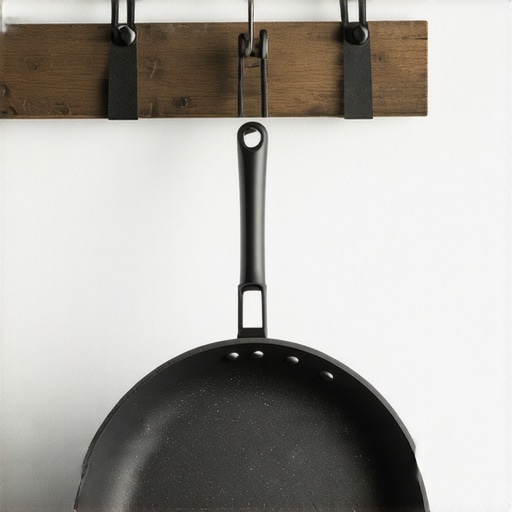
If your kitchen is humid, do not store your pans in a closed cabinet. Hang them. Airflow is your best friend. My decisive strategy for any high-performance kitchen is this: Heat-dry, oil-wipe, and hang-store. If you live in a coastal area with high salt-air content, the oil layer must be slightly thicker. Think of it as a cosmoline coating for your cookware. Buy a dedicated crepe pan hook. Avoid the drawer of death where pans clatter and scratch. This is a buy-it-for-life item; treat it with the technical respect it deserves.
Common Storage Questions
Can I use a plastic bag to protect my pan from moisture?
No. Plastic traps existing moisture and can lead to rapid rusting if any humidity is present. Use breathable cloth or heavy paper if you must wrap it.
What should I do if I find a small spot of rust after storage?
Do not panic. Scrub the spot with a paste of salt and oil, dry it on the stove, and re-apply a thin layer of oil immediately. The seasoning will recover with use.
Is it okay to store my pan in the oven?
Only if the oven is completely cool and dry. Be careful, as many people forget the pan is there and preheat the oven, which can burn off your storage oil and create smoke.