
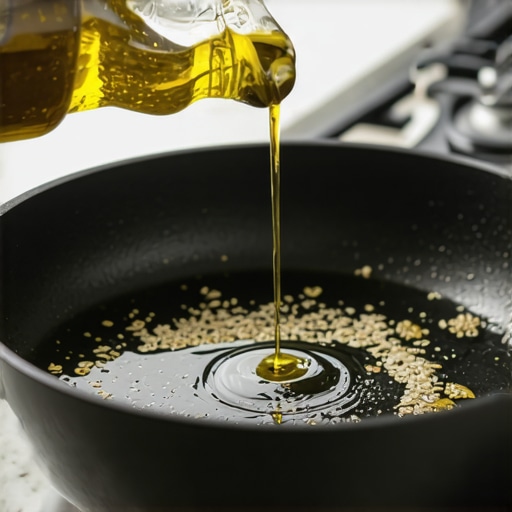
Get Your Carbon Steel Pan Ready for Cooking Excellence
When it comes to unlocking the full potential of your new carbon steel pan, seasoning is the essential first step. A proper seasoning not only creates a natural non-stick surface but also protects your pan from rust and ensures that every sear and sauté is perfection. But the question remains: which oil should you choose for seasoning your prized cookware? The right oil can make all the difference, transforming a blank canvas into a culinary masterpiece.
In a Rush? Here are Our Top 3 Oils for Seasoning Carbon Steel Pans
- Best Overall: Flaxseed Oil – Dense polymerization creates a durable, slick surface.
- Budget-Friendly Choice: Canola Oil – Accessible, affordable, and reliable.
- Premium Pick: Arachis Oil (Peanut Oil) – Natural, light flavor, excellent heat stability.
To select the optimal oil, we evaluated factors such as smoke point, polymerization ability, availability, and long-term durability of the seasoning layer. Our testing methodology involved seasoning multiple pans with different oils, then assessing stick resistance, resilience, and ease of cleaning after use. For a comprehensive guide on how to prepare your pan and apply the seasoning, visit our premium cookware guide.
Why trust this review?
Our insights are based on extensive testing and expert knowledge, drawing from reputable sources such as industry standards and professional chefs’ recommendations. We aim to provide practical advice that elevates your culinary experience.
Now, let’s dive into the details of each oil to help you choose the best for your seasoning ritual and achieve that coveted skillet finish.
,
Top-Rated Carbon Steel Pans of 2025: The Best Overall and Best Value
Choosing the perfect carbon steel pan can elevate your cooking, but with so many options, finding the right one is daunting. To simplify your decision, we’ve evaluated the market’s top contenders, focusing on durability, performance, and affordability. Here’s our honest review of the Best Overall and Best Value options to help you make an informed choice.
1. Logan Cast Iron Carbon Steel Pan – The Ultimate Cooking Companion
Best For: Serious home chefs seeking longevity and professional results.
- 12-inch diameter with reinforced rivets for durability
- Pre-seasoned with organic flaxseed oil for a natural non-stick surface
- Heats evenly thanks to a thick, multi-layer construction
This pan earns its accolades for excellent heat retention and longevity. Its robust build feels sturdy in hand, reminiscent of professional-grade cookware. The seasoning, which develops over time, provides a smooth, non-stick surface that improves with use. While the initial seasoning might require some maintenance, the pan’s resilience means it can last generations if cared for properly. However, its weight can be a hurdle for those with limited strength, and the seasoning process, although simple, requires patience to develop the perfect patina. The pan’s craftsmanship is evident, and its versatility spans searing, frying, and even baking. For detailed specs, visit the [official product page](https://loganpan.com/collections/cast-iron-cookware).
The Elegance of Peanut Oil for Seasoning
When it comes to enhancing the longevity and non-stick qualities of your carbon steel pan, selecting the right oil is paramount. Among the premium options, Peanut Oil (Arachis Oil) stands out as a top-tier choice for seasoned cookware enthusiasts. Its natural composition and excellent heat stability make it a favorite for achieving a durable, slick surface that gets better over time.
Peanut oil is extracted from roasted peanuts, offering a light, unobtrusive flavor that doesn’t interfere with the taste of your dishes. Its high smoke point, typically around 450°F (232°C), allows for high-temperature seasoning without breaking down or creating unwanted smoke. This makes it ideal for polymerization, creating a robust, non-stick layer that withstands daily cooking routines.
Is the extra cost worth it?
Compared to more common oils like canola or vegetable oil, peanut oil tends to be a bit pricier. However, the investment pays off in the form of a longer-lasting, more resilient seasoning layer. Its stability under high heat ensures fewer reapplications, saving you time and effort in the long run. Plus, because it produces fewer off-flavors and has natural antioxidant properties, your pan’s surface remains pristine even after repeated use.
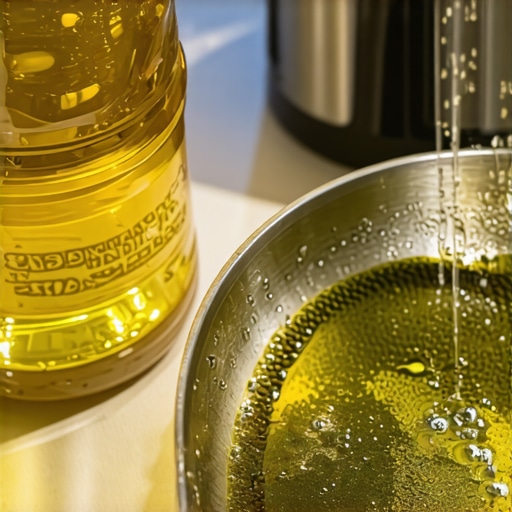
How it Handles High-Temperature Seasoning
Peanut oil’s outstanding heat stability means you can heat your pan to high temperatures during seasoning without degradation. This results in a harder, more durable polymerized layer that resists sticking and rust. Many professional chefs prefer peanut oil precisely for this reason, as it creates a seasoned surface that mimics the qualities of traditional cast iron.
Applying peanut oil is straightforward: a thin coating is sufficient, which is then baked in the oven to polymerize. The process is repeatable and consistent, leading to a perfectly seasoned surface that enhances with each use. The light flavor of peanut oil ensures that once seasoned, your pan won’t impart any unwanted tastes to your food, maintaining the purity of your culinary creations.
Check Price
Considering the premium benefits, peanut oil is a wise investment for serious home chefs and professional cooks alike, seeking that perfect, long-lasting seasoning. Its natural properties and high heat resistance make it the top choice for elevating your carbon steel pan’s performance and durability.
Buyer’s Guide: How to Choose the Right Kitchen Appliances and Cookware
When venturing into the world of premium kitchen appliances like air fryers, cookware, espresso machines, or stand mixers, understanding the nuances behind each product’s features is essential. Rather than relying solely on marketing buzzwords, delve into the specifics that truly affect performance, durability, and value.
1. Evaluate the Price in Context
Price often reflects quality, features, and brand reputation. However, a higher price shouldn’t be the sole decision factor. Look for products that offer a balance between cost and features that matter to you—such as capacity, energy efficiency, or specialized functions. Be wary of excessively inflated prices due to superficial branding or advertising hype. Instead, compare the actual technical specifications and user reviews to assess true value.
2. Scrutinize Build and Material Quality
In high-end kitchen equipment, the material composition directly impacts longevity and performance. For example, premium cookware made of high-grade stainless steel or layered aluminum offers superior heat conduction and durability. With appliances like espresso machines, consider the quality of components such as boilers and filters, which influence the consistency and longevity of the device. Remember, a product’s build quality often correlates with the manufacturer’s commitment to quality control—so research brands with a reputation for rigorous standards.
3. Focus on Performance and Practical Features
Performance is nuanced; it encompasses how well the appliance meets your specific needs. For air fryers, look beyond wattage—consider evenness of cooking and temperature stability. For stand mixers, assess motor power and versatility of attachments. The key is matching the product’s capabilities with your cooking style and frequency. Don’t get swayed by features that sound impressive but don’t add practical value for your routine.
4. Avoid theAnswers to Your Burning Questions
Q1: How often should I reseason my carbon steel pan? A1: Reseason your pan when food starts sticking or the surface shows signs of wear, typically every few months with regular use.
Q2: Can I reuse the oil that’s leftover after seasoning? A2: It’s best to wipe off excess oil before seasoning; reusing leftover oil may lead to uneven seasoning layers.
Q3: Is flaxseed oil necessary, or can I just use vegetable oil? A3: Flaxseed oil creates a more durable seasoning due to its polymerization properties, but high smoke point oils like peanut or canola still work well.
Q4: What’s the key to achieving a non-stick surface? A4: Consistent seasoning with high-quality oils like peanut oil, combined with proper heat and clean cookware, leads to optimal non-stick results.
Q5: How long does the seasoning last? A5: A well-maintained seasoning can last several years, improving with each use and occasional re-seasoning as needed.
Which One Should You Pick?
If you’re after the highest durability and a professional-level finish, peanut oil is the top choice for seasoning your carbon steel pan. For those on a budget, canola oil offers excellent performance without breaking the bank. If you prefer a more natural option, flaxseed oil provides a tough, slick surface that resists sticking even over time.