
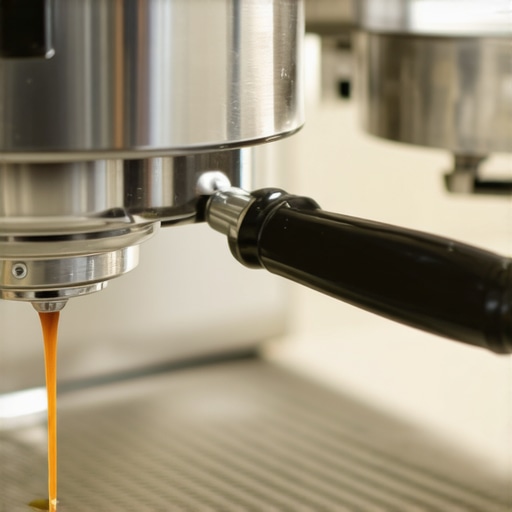
The Reason Your Espresso Puck is Soggy and How to Fix It
A soggy espresso puck is more than a messy inconvenience. It is a loud diagnostic signal that your extraction physics are out of alignment. After fifteen years of calibrating high-end espresso machines and luxury kitchen equipment, I have learned that a ‘soupy’ puck usually points toward a fundamental mismatch between dose volume and basket geometry. When you lift that portafilter and find a swamp instead of a firm, dry disc, you are looking at residual water that the 3-way solenoid valve failed to evacuate. The stakes? Inconsistent flavor profiles and a degraded machine lifespan. The result? Avoidable failure.
The Engineering Reality
The primary culprit behind water retention is headspace. This is the physical gap between the top of your tamped coffee bed and the shower screen of the group head. If this gap is too large, water sits on top of the puck after the pump stops. Modern luxury kitchen machines rely on a precise hydraulic vacuum to pull moisture away. When you under-dose a basket—putting 16 grams of coffee into a 22-gram basket, for instance—you create a cavernous void. Physics dictates that the solenoid cannot clear this excess volume effectively. You must respect the the real difference between single and double boiler machines when it comes to thermal stability and pressure decay. A soggy puck often haunts single-boiler users who fluctuate in temperature. Professional standards from the Specialty Coffee Association emphasize that grind size also dictates how much water remains trapped within the interstitial spaces of the grounds. If your grind is too fine, the puck becomes an impermeable mud brick.
The Mechanics of Pressure Decay
Let’s look at the science. During a standard 9-bar extraction, the coffee puck is under immense compression. Once the shot ends, the 3-way solenoid valve opens a path to the drip tray. This sudden drop in pressure should pull the remaining water out. However, if the grind is pulverized into a dust-like consistency, the surface tension of the water overcomes the vacuum force of the valve. The result is a slurry. I often see enthusiasts try to compensate by tamping harder. This is a myth. Tamping pressure plateaus quickly. Instead, focus on your simple hack for leveling your espresso puck to ensure even resistance. If the puck is uneven, water channels through one side, leaving the rest of the bed oversaturated and stagnant.
Implementation Risks and The Muddy Truth
The messy reality involves sensory feedback. You feel the suction resistance when removing the portafilter. You smell the over-extracted, burnt notes of coffee that sat in standing water too long. I remember a client with a top-tier Italian machine who complained of sour shots. The culprit wasn’t the bean; it was a massive headspace issue causing the puck to break apart under the first hit of water. Using the puck screen hack for a cleaner espresso group head can actually help bridge this headspace gap. It adds a layer of physical thickness that forces the water to distribute evenly and reduces the volume of the ‘swamp zone.’ But beware: adding a screen without adjusting your dose can lead to the screen indenting the puck, creating new channeling paths. High-end espresso machines are precision instruments, not blunt tools.
The Economics of Bean Density
Dark roasts and light roasts occupy different volumes even at the same weight. A light roast is dense. 18 grams of a light roast might sit much lower in your basket than 18 grams of a dark roast. This is why you cannot rely on a single dose setting for every bag of beans. The market is shifting toward high-extraction baskets like those from IMS or VST. These require a finer grind, which inherently increases the risk of a wet puck. You are trading a clean cleanup for higher clarity in the cup. Industry reports from the National Coffee Association suggest that home baristas are increasingly prioritizing extraction yield over traditional aesthetics. If your shot tastes perfect but the puck is wet, the purist in me says: leave it alone. Flavor is the ultimate metric. However, if you are seeing why your espresso shots taste sour, the soggy puck is likely a symptom of the same underlying flow issue.
Strategic Executive Verdict
If you are using a 20-gram basket, dose 20 grams. If the puck remains wet, grind one notch coarser and increase the dose by 0.5 grams. This fills the headspace and allows the solenoid to do its job. For those in high-humidity regions, recognize that your beans will swell, changing the headspace dynamics daily. My recommendation? Buy a precision scale and a variety of basket sizes. Match the basket to the dose, not the dose to the basket. If you want a dry puck, you must achieve a tight clearance between the coffee and the group head. Actionable strategy: Measure your headspace using the ‘coin test’—place a nickel on your tamped puck, lock it in, and remove it. If the coin is pressed into the coffee, you have the right fit.
Common Coffee Physics Questions
Does a wet puck mean my espresso machine is broken? No. It usually means your dose-to-basket ratio is incorrect or your grind is too fine for the solenoid to clear the water.
Will a soggy puck affect the taste? Indirectly, yes. It suggests uneven water distribution or too much headspace, which often leads to channeling and sour or bitter notes.
Can I just ignore the water in the portafilter? You can, but it makes cleaning more difficult and can lead to faster buildup of coffee oils on your shower screen, requiring more frequent backflushing.