
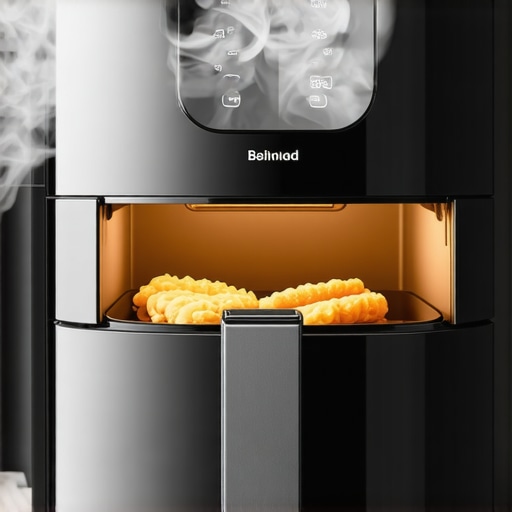
Treating a high-end air fryer like a microwave is the fastest way to ruin a thousand-dollar luxury kitchen experience. After fifteen years of diagnosing why premium appliances underperform in the field, I’ve identified a singular, avoidable failure: the cold start. Most users assume the rapid airflow of modern air fryers compensates for a lack of thermal saturation. It doesn’t. If you aren’t preheating your unit for at least five minutes—regardless of what the digital interface says—you are effectively steaming your food before you fry it. The stakes are simple. You’re paying for the Maillard reaction, but you’re getting soggy protein and uneven textures.
The Air Fryer Preheating Move Most People Skip
The engineering reality of convection heating relies on more than just hot air; it requires the internal cavity walls to reach a stable temperature. When you skip the preheat, the initial burst of energy is absorbed by the cold metal of the basket and the plastic housing rather than the food. This creates a temperature lag. During this lag, moisture escapes the food but doesn’t evaporate quickly enough to create a crisp exterior. The result? A dry, rubbery interior and a pale, uninspiring surface. I’ve seen clients complain that their air fryer takes longer to cook than the recipe says, and nine times out of ten, the culprit is a lack of thermal momentum.
The Physics of the Thermal Vortex
In a luxury kitchen environment, precision is everything. An air fryer is essentially a miniaturized, high-velocity convection oven. To achieve the specific crunch associated with air fryers, you need an immediate sear. This requires the heating element to be at peak output and the basket to be hot to the touch before the food enters. Think of it like a cast-iron skillet; you wouldn’t drop a steak into a cold pan. The same logic applies here. By following the air fryer preheating rule most people ignore, you ensure that the second the basket slides in, the moisture on the surface of your food flashes into steam. This is the only way to lock in juices.
The Operational Risk of the Cold Basket
What breaks when you ignore this? Beyond the culinary disappointment, you’re stressing the machine. Constant long cycles from a cold start force the fan motor and heating element to run at maximum draw for extended periods. In my time, I’ve smelled the ozone-heavy scent of an overworked motor struggling to maintain heat against a massive heat sink—the food itself. There is a sensory difference too. A preheated machine has a sharp, consistent hiss. A cold machine sounds labored, the air feeling heavy and damp if you were to crack the seal. If you find your results are lacklustre, you might also need to look at the best way to deep clean an air fryer heating element to ensure the airflow isn’t being throttled by carbonized grease.
The Macro View of Kitchen Efficiency
The industry is moving toward smarter, sensor-driven appliances, but the physics of heat transfer won’t change. We are seeing a trend where air fryers are being integrated into larger luxury ranges and stand-alone premium cookware suites. Organizations like the Association of Home Appliance Manufacturers (AHAM) continue to refine energy standards, but these standards often measure steady-state performance, not the initial ramp-up. In the next 24 months, expect to see more “smart preheat” features that lock the basket until a specific thermal threshold is met. Until then, the responsibility lies with the operator to manage the thermal load manually.
The Executive Verdict
If you own a premium air fryer, you must treat it with the same technical respect as your espresso machines or high-wattage stand mixers. My recommendation is a hard “Buy” on the preheating habit. If you are cooking anything that requires a crisp finish, preheat for five minutes at the target temperature. If you are cooking high-fat proteins, this move is non-negotiable to prevent the dreaded “smoke point” spike when fat hits a lukewarm element. Stop looking for shortcuts in a process governed by thermodynamics.
Frequently Asked Questions
Does preheating use significantly more electricity?
Actually, it’s the opposite. A preheated unit cooks faster and more efficiently, reducing the total runtime of the high-draw fan motor. The Department of Energy (DOE) metrics often highlight that maintaining heat is cheaper than generating it from a dead stop.
Can I preheat with the basket empty?
Yes, and you should. Preheating with an empty basket allows the air to circulate without obstruction, reaching the set temperature faster. Just ensure no parchment paper is inside, as it can fly into the element and ignite.
How do I know if my air fryer is actually preheated?
Don’t trust the beep. Use an infrared thermometer to check the basket surface, or simply wait two minutes after the “ready” light flashes to ensure the internal walls have truly saturated with heat.