
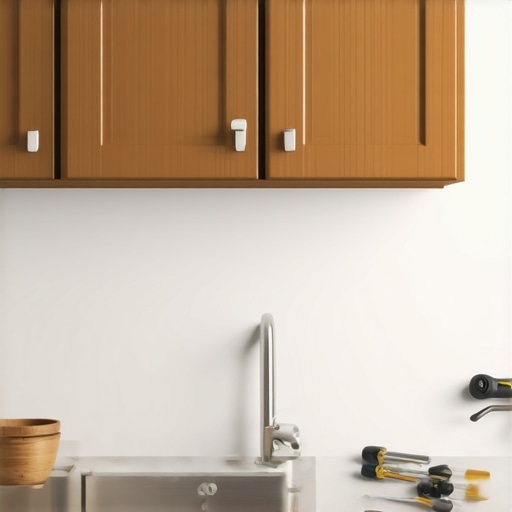
Why Your Kitchen Cabinet Doors Are Sagging and the Quick Fix
A sagging cabinet door is more than an eyesore. It is a mechanical failure that puts your luxury kitchen at risk. After 25 years in this trade, I have seen five-figure custom cabinetry ruined by a single loose screw. When a door drops, it strikes the frame, chips the lacquer, and eventually shears the hinge cup. The weight of modern, dense materials like solid oak or integrated panels for high-end appliances creates a constant battle against gravity. Most homeowners wait until the door is dragging. That is a mistake. The fix is usually a five-minute adjustment, but the cost of delay is a full door replacement.
The Engineering Reality of Hinge Fatigue
Most luxury kitchens utilize European concealed hinges. These are marvels of engineering, designed to handle thousands of cycles, yet they are not immune to the laws of physics. Gravity works 24/7. When you add the weight of heavy door fronts or perhaps a heavy-duty towel rack mounted on the interior, the tension on the mounting plate increases. The wood fibers around the screws eventually compress. This is especially true in regions with high humidity or in kitchens where steam from air fryers or boiling pots is constant. The moisture softens the substrate, allowing the hinge to pull away from the carcass.
[IMAGE_PLACEHOLDER]
Why Standard Methods Fail
The average person reaches for a larger screw. This is a short-term patch that leads to long-term disaster. If you strip the wood inside the cabinet wall, you lose the structural integrity required to hold the door. Instead, we look at the adjustment screws built into the hinge arm itself. There are three points of movement: lateral, vertical, and depth. Most sagging is a vertical alignment issue. By loosening the screws on the mounting plate slightly and shifting the door upward, you reset the center of gravity. For a permanent solution, we often use plastic dowel inserts or hardwood plugs to rebuild the screw hole, ensuring the metal has fresh material to bite into. If you ignore this, you might find yourself needing to stop your kitchen cabinet hinges from slamming or, worse, replacing the entire side panel of the cabinet.
The Impact of High-End Appliances on Cabinet Integrity
We see a specific type of failure in kitchens equipped with prosumer gear. Steam is the enemy of cabinetry. If your espresso machines are tucked under a cabinet without proper ventilation, the rising heat and moisture will degrade the finish and the hinge hardware. I have walked into homes where the owner spent $4,000 on a machine but wouldn’t spend $50 on a pull-out tray to protect their $50,000 cabinets. This lack of strategic foresight leads to what I call the ‘steamed hinge syndrome.’ The metal oxidizes, the springs lose tension, and the door begins its slow descent. This is why your kitchen needs an appliance garage for the mixer or coffee setup—to isolate these stressors from your structural woodwork.
The ROI of Quality Hardware
Investing in heavy-duty hinges is a hedge against future repair costs. Standard hinges are rated for 20-30 pounds. High-end Blum or Grass hinges can handle significantly more, which is vital if you are using the cabinet pull-out secret for deep corner storage where internal weight is high. According to standards set by the National Kitchen & Bath Association (NKBA), proper installation and hardware selection can extend the life of your cabinetry by decades. We also refer to the Builders Hardware Manufacturers Association (BHMA) for cycle-test ratings to ensure the hardware we install can withstand the ‘industrial’ use of a busy family kitchen.
Market Corrections Ahead
The trend is shifting toward heavier, more ornate door designs. This means the load on your hardware is increasing. In the next 12-24 months, I expect to see more failures in ‘builder-grade’ luxury homes where the aesthetic was prioritized over the engineering. If your doors are already showing signs of misalignment, do not wait. The ‘click’ you hear when the door closes is the sound of metal-on-metal wear. The fix is simple: use a Pozi-drive screwdriver (not a standard Phillips) to tighten the mounting screws and adjust the vertical height. If the hole is stripped, use a toothpick and wood glue as a quick field fix, or a proper hardwood dowel for a professional result.
The Executive Verdict
If your doors are sagging, adjust the vertical screw immediately. If the screws are spinning without tightening, the substrate is compromised. My recommendation is a ‘Buy’ on high-grade soft-close conversion kits and a ‘Sell’ on any cabinet door that has been dragging for more than a month. Allowing a door to sag is an invitation for moisture to enter the raw wood edge, leading to swelling that no screw can fix. If you are planning a renovation, ensure your contractor is using Grade 1 hinges. Check why most integrated fridge doors never close properly to understand how weight distribution affects your overall kitchen feel. Consistency in your hardware is the silent indicator of a truly luxury space.
Professional FAQ
Q: Can I fix a sagging door without removing it?
A: Yes. Most modern hinges have an adjustment screw that allows for vertical movement while the door is attached.
Q: Why do my cabinet doors sag specifically in the summer?
A: Humidity causes the wood to expand and soften. This makes the hinge screws more likely to shift under the weight of the door.
Q: Is it okay to use a power drill for hinge adjustments?
A: No. Always use a hand screwdriver. Power drills provide too much torque and will strip the small adjustment screws instantly.
Q: How do I know if my hinge is broken or just needs adjustment?
A: If the door bounces back or feels ‘spongy’ when you try to close it, the internal spring is likely broken. If it just hangs low, it needs an adjustment.