
The Grinder Static Problem and the RDT Water Drop Solution
Static electricity is the silent killer of consistency in a high-end coffee routine. It is not merely a nuisance that leaves chaff stuck to your counters; it is a technical failure that compromises the dose-in, dose-out ratio essential for specialty coffee. After fifteen years in the industry, diagnosing and repairing prosumer gear, I can tell you that most ‘broken’ grinders are actually just victims of physics. When beans pass through burrs at high speeds, triboelectric charging occurs. The result? Coffee particles fly everywhere, clinging to the chute and the internal walls of the machine. This retention leads to stale grounds mixing with fresh ones, ruining the flavor profile of your espresso machines. The stakes are high for those who invest in luxury kitchen setups. A $3,000 grinder that retains two grams of coffee per cycle is essentially a malfunctioning tool.
The Physics of Triboelectric Charging
To understand the fix, you have to understand the friction. As coffee beans move through the grinding chamber, they collide with each other and the metal surfaces. This exchange of electrons creates a massive static charge. Darker roasts, which are oilier, often suffer less from ‘flyaway’ static but can clump more aggressively, while dry, light-roasted beans turn into a powder that defies gravity. This is why many enthusiasts find that why your espresso grinder still has static after cleaning is a recurring nightmare. The problem isn’t the cleanliness; it’s the lack of conductive discharge paths within the grinder’s design. Precision engineering requires a stable environment, and static is the ultimate disruptor of stability. According to the Specialty Coffee Association (SCA), grind uniformity is the primary driver of extraction quality. When static causes clumping, you get boulders and fines in the same basket. That leads to uneven water flow.
The Ross Droplet Technique Mechanics
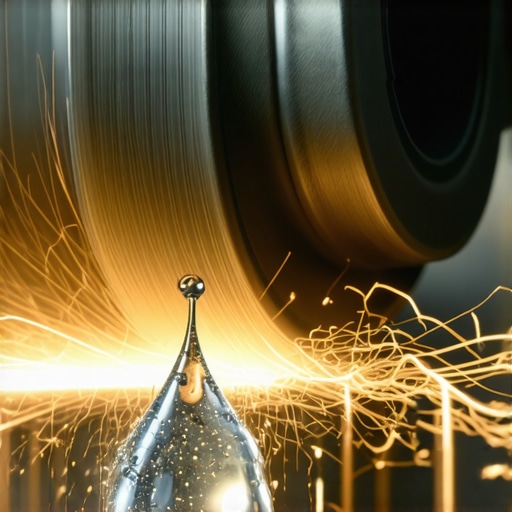
The solution is deceptively simple: the Ross Droplet Technique, or RDT. By introducing a microscopic amount of moisture to the beans before grinding, you provide a path for that static charge to dissipate. We are talking about a single drop of water—roughly 0.1ml for a 20-gram dose. This isn’t about washing the beans. It is about increasing the local humidity of the bean surface to ground the electrical charge. When the moisture hits the burrs, it creates a momentary conductive bridge. The result is a clean exit from the chute and near-zero retention. For those using premium cookware and high-end tools, this level of precision is the standard. I’ve watched clients transition from frustration to perfection just by adding a small glass mister to their workflow. It’s a cheap fix for an expensive problem.
The Hidden Risk of Burr Oxidation
There is a catch that most influencers ignore. Water and steel do not mix well. If you over-saturate your beans, you are inviting rust into the heart of your equipment. I have opened up dozens of grinders where the burrs were pitted and dull because the owner was using a heavy-handed spray bottle. The ‘weight of the industrial grade steel’ won’t save you from chemical oxidation. You must use a fine mister, not a stream. The moisture should be a haze, not a soak. If you see visible water pooling at the bottom of your dosing cup, you are doing it wrong. This moisture can also lead to ‘caking’ inside the burr teeth, which is a primary reason why your espresso shots are channeling no matter the grind. The water binds the fines into a cement-like paste that blocks the burr gaps, forcing the motor to work harder and increasing heat. Heat is the enemy of flavor.
Strategic Engineering for Home Baristas
If you are looking at the next 12 months in the industry, expect to see ‘Ion Generators’ built directly into the chutes of high-end grinders. Manufacturers are finally acknowledging that physics shouldn’t be the consumer’s problem to solve. Until then, RDT remains the gold standard for those who demand total control. This is particularly relevant when using stand mixers for baking or air fryers for prep; every tool in a high-performance kitchen requires a specific operational protocol. In the coffee world, moisture management is that protocol. We are seeing a shift toward ‘blind shakers’ and specialized dosing tools designed to mitigate the mess, but nothing beats RDT at the source. The National Institute of Standards and Technology (NIST) emphasizes the importance of environmental variables in precision measurements, and coffee grinding is no different.
The Final Verdict on Static Management
My professional recommendation is clear. If you single-dose your coffee, you must use RDT. If you use a hopper-fed system, RDT is impractical and potentially damaging to the larger volume of beans. For the prosumer with an espresso machines unveiled setup, buy a high-quality glass atomizer. One spray, stir with a spoon handle, and grind. This small adjustment will save you hundreds of dollars in wasted specialty beans over a year. It also reduces the need for frequent deep cleans that can lead to misaligned burrs. Always prioritize the longevity of your equipment over a ‘quick fix’ that involves excessive water. Precision is the goal. Science is the method.
Frequently Asked Questions
Does RDT affect the taste of the coffee?
No. The amount of water used is so small it evaporates during the friction of grinding and is completely lost during the brewing process. It only changes the physical behavior of the grounds.
Can I use RDT on all grinders?
Technically yes, but be extremely careful with grinders that have non-coated carbon steel burrs. For stainless steel or ceramic burrs, the risk of rust is lower but still present if you over-apply moisture.
How do I know if I am using too much water?
If the grounds look ‘clumpy’ or ‘damp’ as they exit the chute, you have exceeded the necessary amount. The grounds should still look and feel dry to the touch.
Is there a better alternative to RDT?
Some modern grinders use plasma generators or ionizers to neutralize static. If you have a machine with this tech, RDT is unnecessary. For everyone else, it is the most effective manual solution.