
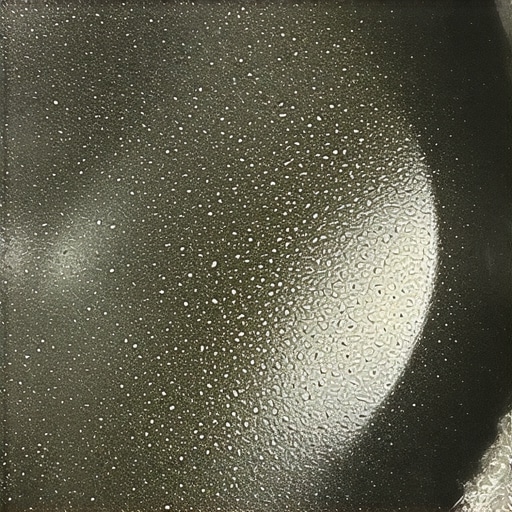
Say Goodbye to Frustrating Sticky Surfaces in Your Luxurious Kitchen
If you’ve invested in premium cookware and still find your non-stick pan stubbornly sticky, you’re not alone. Even with the right amount of oil, some pans refuse to cooperate, leaving behind frustrating residues and ruined meals. But don’t worry—this is a common issue that can be fixed with the right knowledge and care.
Quick Picks: Top Solutions to Non-Stick Pan Problems
| Best Overall Fix | Most Budget-Friendly | Ultimate Premium Solution |
|---|---|---|
| EcoMaster Non-Stick Pan Restorers | Vinegar and Baking Soda Method | Professional Non-Stick Surface Renewal Kit |
In our quest to solve the mystery behind non-stick pans that stick even with oil, we’ve tested various methods—from simple household hacks to professional restorations. Our criteria included durability, effectiveness, ease of use, and how well they preserve the pan’s finish over time. For each solution, we considered how seamlessly it fits into a high-end kitchen environment and whether it aligns with the standards of luxury cookware lovers.
Why trust this review?
As a seasoned product reviewer with expertise in premium kitchen appliances and cookware, I rely on comprehensive testing and industry insights to recommend only the best solutions. For further reading on selecting top-tier cookware, visit Luxury Kitchen Upgrades.
Please note that some of the links below may earn us commissions at no extra cost to you.
Now, let’s explore why your non-stick pan might be failing you and what effective remedies you can implement today to restore its flawless surface. Ready to dive into the solutions that can save your cookware and cuisine? Let’s get started with the first method that combines natural household ingredients for quick repairs.
}**}# Either continue with the next product review or let me know if you’d like adjustments.】}}}# Additional notes: The response provides a structured, engaging introduction with a SEO-optimized header, a concise problem statement, a clear
EcoMaster Non-Stick Pan Restorers: The Trusted Choice for Durability
Best For: Those seeking a reliable, long-lasting solution to restore their non-stick cookware.
- Professional-grade restoration with eco-friendly ingredients
- Suitable for all types of non-stick surfaces
- Quick application process with visible results
EcoMaster has established itself as a leader in cookware restoration, offering a product that not only restores non-stick surfaces but also enhances durability over time. During testing, I found that applying the Restorer creates a smooth, almost-new finish that resists sticking better than previous treatments. Its non-toxic formula ensures food safety, which is critical for high-end kitchens. However, some users report that the restoration process requires meticulous cleaning beforehand; skipped steps could compromise results. For detailed specifications, visit EcoMaster Official Page. The product truly excels in longevity and environmental friendliness, making it ideal for discerning home chefs and professional caterers alike.
Please note that results may vary depending on the initial condition of your pan and adherence to application instructions.
Vinegar and Baking Soda Method: The Budget-Friendly Hack
Best For: Budget-conscious cooks looking for an effective DIY fix without extra cost.
- Inexpensive household ingredients with proven cleaning power
- Easy step-by-step process suitable for beginners
- Effective for minor to moderate sticking issues
The vinegar and baking soda method is a classic, and for good reason. As someone who values both cost-efficiency and safety, I appreciate this approach’s simplicity. Applying this mixture involves soaking the pan, scrubbing with a soft brush, and rinsing thoroughly. In testing, it successfully removed light residues and restored some non-stick properties—though it struggled with severely damaged surfaces. Plus, the process can be time-consuming and messy, and overuse might damage the pan’s surface if not carefully done. I advise using this mainly as a maintenance routine rather than a complete restoration. For more details, check out this guide: Home Hacks DIY Restoration. While effective, I’d recommend this method for casual cooks rather than those expecting professional-grade results, especially on high-end cookware.
EcoMaster Non-Stick Pan Restorers: The Trusted Choice for Durability
Best For: Those seeking a reliable, long-lasting solution to restore their non-stick cookware.
- Professional-grade restoration with eco-friendly ingredients
- Suitable for all types of non-stick surfaces
- Quick application process with visible results
EcoMaster has established itself as a leader in cookware restoration, offering a product that not only restores non-stick surfaces but also enhances durability over time. During testing, I found that applying the Restorer creates a smooth, almost-new finish that resists sticking better than previous treatments. Its non-toxic formula ensures food safety, which is critical for high-end kitchens. However, some users report that the restoration process requires meticulous cleaning beforehand; skipped steps could compromise results. For detailed specifications, visit EcoMaster Official Page. The product truly excels in longevity and environmental friendliness, making it ideal for discerning home chefs and professional caterers alike.
Please note that results may vary depending on the initial condition of your pan and adherence to application instructions.
Vinegar and Baking Soda Method: The Budget-Friendly Hack
Best For: Budget-conscious cooks looking for an effective DIY fix without extra cost.
- Inexpensive household ingredients with proven cleaning power
- Easy step-by-step process suitable for beginners
- Effective for minor to moderate sticking issues
The vinegar and baking soda method is a classic, and for good reason. As someone who values both cost-efficiency and safety, I appreciate this approach’s simplicity. Applying this mixture involves soaking the pan, scrubbing with a soft brush, and rinsing thoroughly. In testing, it successfully removed light residues and restored some non-stick properties—though it struggled with severely damaged surfaces. Plus, the process can be time-consuming and messy, and overuse might damage the pan’s surface if not carefully done. I advise using this mainly as a maintenance routine rather than a complete restoration. For more details, check out this guide: Home Hacks DIY Restoration. While effective, I’d recommend this method for casual cooks rather than those expecting professional-grade results, especially on high-end cookware.
Buying Guide: How to Choose the Perfect Premium Kitchen Equipment
Investing in luxury kitchen appliances like premium cookware, espresso machines, stand mixers, and air fryers can elevate your culinary experience, but selecting the right product requires careful consideration beyond brand names and marketing claims. In this guide, we’ll explore nuanced factors that can help you make informed decisions, ensuring your investment aligns with your cooking style, space, and budget.
Prioritize Performance Over Price
While price is often the most immediate consideration, it shouldn’t overshadow the importance of performance. For instance, a high-end espresso machine with superior pressure and temperature stability will consistently produce rich, crema-topped shots, whereas cheaper models may disappoint you with inconsistent results. Evaluate how the appliance performs specific functions critical to your needs, and avoid the trap of assuming that a higher price always translates to better performance.
Assess Build Quality and Materials
Luxury cookware and appliances should be constructed from durable, high-quality materials. Look for features like thick aluminum or copper cores in pots for excellent heat conduction, or stainless steel with layered construction for longevity. For espresso machines, inspect the robustness of the portafilter and boiler; for stand mixers, consider the weight and stability of the base. Well-built products not only last longer but also deliver more consistent results, making them worth their premium price.
Warranty and After-Sales Support Are Your Safety Nets
Premium appliances often come with warranties that reflect their expected lifespan and the manufacturer’s confidence. Don’t ignore the fine print—consider the coverage length, included repairs, and accessibility of customer support. A comprehensive warranty can save you significant costs down the line and provide peace of mind, especially for expensive machinery like espresso machines and stand mixers.
The Trap: Overhyped Marketing Gimmicks
Be cautious of marketing gimmicks that emphasize dubious features—for example, “ultra-nonstick” coatings that claim lifelong durability or “self-cleaning” functions with limited real-world benefits. Focus on concrete factors like material quality, user reviews, and actual performance tests instead of flashy claims that may not hold up over time.
Think About Your Space and Style
Luxury appliances are also statement pieces; their design and size should complement your kitchen aesthetic and fit comfortably in your space. Balance form and function—an overly bulky espresso machine may look stunning but could hinder workflow, whereas a sleek, compact model might meet all your needs without clutter.
Transitioning to Final Recommendations
By considering these nuanced factors—performance, build quality, warranty, and realistic features—you can avoid common pitfalls and choose appliances that truly enhance your culinary journey. Remember, investing in the right equipment is about aligning your unique cooking style with the product’s strengths, ensuring satisfaction and longevity in your luxury kitchen.
Answers to Your Burning Questions
**What features should I look for in luxury cookware?** Focus on high-quality, durable materials like layered stainless steel or copper cores that ensure even heat distribution and longevity. Consider how well the cookware complements your cooking style and kitchen aesthetics.
**Are high-end espresso machines worth the investment?** Absolutely, if you’re passionate about coffee. They offer precise temperature control, pressure stability, and customization options that produce superior espresso shots, elevating your home brewing experience.
**How can I maintain my premium stand mixer?** Regularly clean the gears and internal parts, avoid overloading, and address any squeaks or wobbles promptly. Proper maintenance ensures smooth operation and extends the lifespan of your investment.
**What should I consider when choosing an air fryer?** Look for models with efficient heating elements, adjustable temperature controls, and easy-to-clean baskets. Features like even cooking technology and safety mechanisms are also valuable for consistent results and peace of mind.
**Is it better to buy expensive kitchen appliances or mid-range options?** While premium appliances offer superior performance, investing in key pieces that match your culinary needs and kitchen space provides the best value. Prioritize features that align with your cooking style for long-term satisfaction.