
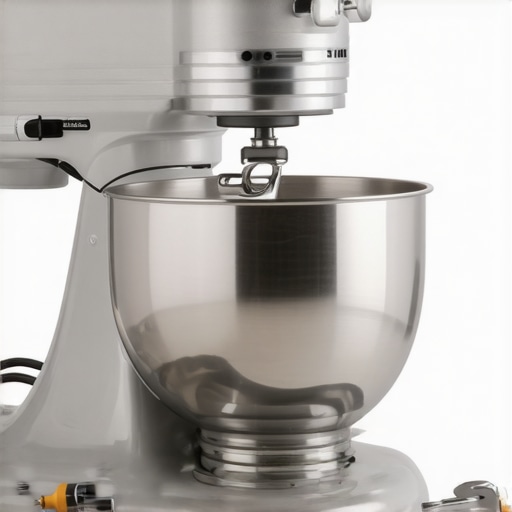
How to Fix the Annoying Squeak in Your Stand Mixer Tilt-Head
A mechanical squeak in a high-performance stand mixer is more than a minor irritation; it is a diagnostic signal. When that high-pitched friction sound interrupts the hum of the motor, you are likely hearing the result of metal-on-metal contact or a misalignment in the hinge pin assembly. After fifteen years of diagnosing hardware failures in luxury kitchen environments, I can tell you that ignoring this sound leads to premature wear of the planetary gears. The squeak usually originates from one of two places: the hinge pin that allows the head to tilt or the internal worm gear housing when the lubricant migrates away from the friction points. If you value the longevity of your equipment, you must address this before the friction generates enough heat to warp the housing.
The mechanics of a tilt-head mixer rely on precise tolerances. The hinge pin, a heavy steel rod, secures the motor head to the base. Over time, the vibration from kneading heavy bread doughs causes this pin to drift. This drift creates an uneven load on the locking mechanism. When the head is not seated perfectly, the oscillation creates that rhythmic chirping sound. To resolve this, you need to inspect the set screw located on the underside of the head. This isn’t just about tightening a screw; it is about recalibrating the clearance between the beater and the bowl. This is often referred to as the Dime Test. If the beater is too high, the motor works harder; too low, and it scrapes. Misalignment here is a primary cause of structural noise. Proper maintenance of stand mixers for luxurious kitchens requires a surgical approach to these mechanical interfaces.
The technical reality involves the viscosity of the grease. Most premium mixers use a food-grade, high-temperature grease. However, after several years of heavy use, the oil can separate from the thickening agent. This leaves a waxy residue that offers zero lubrication. You will hear a dry, rubbing sound. This is particularly common if you frequently leave your mixer in a warm kitchen. The oil thins and leaks out. I have seen countless units where the owner thought the motor was dying, but the reality was simply a bone-dry gear tower. Relubricating requires a full teardown of the gear case. It is a messy, exacting process. You must remove the old, oxidized grease entirely before applying a fresh 6-ounce coat of NSF-H1 certified lubricant. This ensures your stand mixer whines only on higher speeds due to air displacement, not mechanical friction.
[IMAGE_PLACEHOLDER]
The stress test of any repair comes during high-torque applications. Think of a heavy brioche dough. The head begins to jump. The smell of hot ozone fills the air. This is where the risks manifest. If you over-tighten the hinge set screw, you risk stripping the threads in the aluminum housing. Once those threads are gone, the base is essentially scrap metal. I remember a client in a high-end bistro who tried to ‘fix’ a squeak by spraying WD-40 into the hinge. Within a week, the solvent had migrated into the gear case, thinned the grease, and the entire gear train seized mid-service. The sound of metal teeth shearing off a gear is something you don’t forget. It is the sound of an expensive mistake. Always use the right materials. Avoid aerosol lubricants. They are the enemy of precision machinery.
Strategic foresight suggests a shift in the industry toward brushless DC motors. These motors provide higher torque at lower speeds with less heat generation. For now, the traditional AC motors found in most luxury stand mixers remain the standard. The local market for appliance repair is shrinking as manufacturers push for ‘disposable’ modules rather than repairable parts. However, the engineering of a classic tilt-head remains one of the few things a homeowner can still service with basic tools. Looking ahead, expect more integrated sensors that will alert you to friction before the squeak even begins. For more information on maintaining kitchen standards, consult resources like the American Society of Mechanical Engineers for torque specifications or FoodSafety.gov for lubricant safety standards.
My executive verdict is clear: Buy the tools, do the maintenance, and hold onto your high-quality hardware. If your mixer is squeaking, stop using it immediately. Check the hinge pin for drift. Tighten the internal set screw. If the noise persists, it is time for a grease replacement. Do not wait for the motor to overheat. If you are a high-volume baker, perform this check every six months. A well-maintained mixer should last thirty years, not five. You can even use your machine for more than just dough; for instance, learn how to use a stand mixer to shred meat once the mechanics are silent and smooth.
Why does my stand mixer squeak when I knead bread?
Bread dough creates high torque, which forces the head to move against the locking pin. If the pin is loose or dry, the vibration creates a squeak. Tighten the hinge screw and apply a drop of food-grade mineral oil to the pin.
Can I use regular grease to fix the squeak?
No. You must use NSF-H1 food-grade grease. Regular automotive grease contains toxic additives that can leak into your food if the seals fail.
How do I know if the hinge pin is the problem?
Press down firmly on the head while the mixer is running. If the squeak stops, the play in the hinge is the culprit. You need to adjust the height and tighten the set screw located underneath the motor head.
Is a squeaking mixer dangerous to use?
It is not dangerous to the user, but it is fatal to the machine. Squeaking indicates friction, and friction creates heat that will eventually melt the plastic sacrificial gear or burn out the motor brushes.