
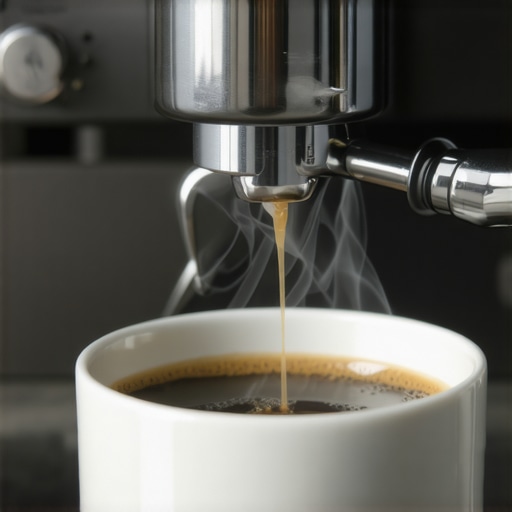
Espresso is not a beverage. It is a violent, high-pressure extraction event where water and chemistry collide in a race against the clock. When you pull a shot that tastes salty, you are not tasting an ingredient error; you are witnessing a fundamental failure in thermodynamic and hydraulic synchronization. After twenty years of rebuilding commercial grade gear and consulting for high-end residential kitchen designs, I can tell you that a salty shot is the hallmark of a system out of balance. It is an expensive mistake. You bought a five-figure machine, yet your palate is being punished because the technical variables are misfiring. This is the reality of under-extraction.
The Real Reason Your Espresso Tastes Salty and How to Fix It
The chemistry of coffee extraction follows a predictable sequence. First come the acids and organic salts, then the sugars and caramelized compounds, and finally the bitter plant fibers. If your shot tastes like a brine solution, the water has only managed to pull out the initial stage. It stopped before it reached the sweetness. This often happens because the water temperature is too low to dissolve the more complex sugars, or the grind size is so coarse that the water rushes through the puck without meaningful resistance. To diagnose this properly, you should consider why you should use a bottomless portafilter for better espresso shots. It allows you to see the actual flow and identify if the water is bypassing the coffee entirely. Visual confirmation beats guesswork every time.
The Engineering Reality
Let’s talk about Total Dissolved Solids (TDS). High-end espresso machines rely on thermal stability to ensure consistent solubility. If your group head hasn’t reached thermal equilibrium, that first shot will always be a disaster. The heat sink effect of a cold brass group head saps the energy from the water, dropping the temperature by ten degrees in a heartbeat. The result? Malic and citric acids dominate the cup while the sweetness remains locked in the grounds. You are drinking the chemical byproduct of a cold start. Professional standards from organizations like the Specialty Coffee Association (SCA) emphasize that temperature variance of even two degrees can shift a flavor profile from balanced to offensive. If you are serious about fixing this, start by using a dedicated coffee scale for truly consistent espresso. Precision is the only cure for saltiness.
The Mechanical Failure Points
Sometimes the hardware is the culprit. Hydrostatic pressure must be uniform across the entire surface of the coffee puck. If your shower screen is partially blocked or your pump is failing to provide a consistent nine bars of pressure, you get channeling. Channeling means the water finds a path of least resistance, boring a hole through the coffee. Most of the puck stays dry, while the “channel” gets over-extracted and the rest of the shot stays under-developed. This creates a confusing mess of salty and bitter notes. I have seen countless homeowners blame their beans when the real issue is a dirty group head or a soggy espresso puck indicating poor water dispersion. Clean your gear. Check your pressure. The