
Black stainless steel is not an alloy; it is a delicate polymer coating bonded to a standard 304-grade stainless base. Treating this high-end finish with the same aggressive chemicals used on raw steel is a fast track to delamination. After running this company for 15 years, I have seen thousands of dollars in luxury kitchen assets ruined because a homeowner used a ‘natural’ acidic cleaner that ate through the clear coat. The stakes are purely aesthetic but the financial hit is real. Once that black translucent layer is scratched or chemically etched, the underlying silver steel peeks through. There is no ‘buffing it out.’ Either you maintain the integrity of the factory seal, or you face a full panel replacement.
How to Remove Fingerprints From Black Stainless Steel Appliances
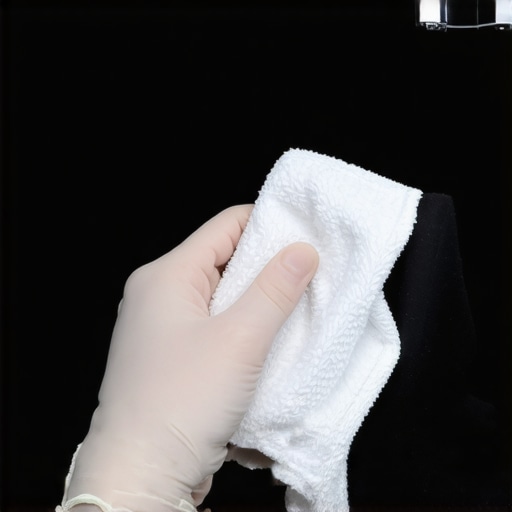
The visual depth of black stainless comes from a thin-film deposition process. When skin oils hit this surface, they fill the microscopic texture of the coating, changing how light reflects and creating that dull, dark smudge. To fix it, you must lift the oil without shearing the polymer. The best method involves a high-gsm microfiber cloth and a solution of distilled water with a single drop of pH-neutral dish soap. This isn’t just a suggestion; it’s a chemical necessity. Avoiding tap water is vital. Mineral deposits in hard water act as micro-abrasives that will eventually cloud the finish. If you are dealing with integrated appliances, you already know that why integrated panel appliances are worth the extra installation cost is largely about the seamless look, which a greasy smudge completely destroys.
[image_placeholder_1]
The Molecular Failure of Traditional Cleaners
Ammonia and vinegar are the enemies of black stainless. While these agents work wonders on glass or raw steel, they act as solvents on the protective clear coats used by major manufacturers like LG, Samsung, and Bosch. The ‘smell of clean’ often associated with ammonia is actually the smell of your appliance’s finish degrading. I’ve walked into kitchens where the bottom of the fridge doors looked pitted and grey. The cause? Over-spraying floor cleaners that misted onto the appliance. Much like how you must how to prevent your expensive stainless steel pans from warping, protecting the surface of your fridge requires an understanding of material limits. High-heat and harsh pH levels are universal killers of premium kitchen hardware.
The Engineering Reality of Fingerprint Resistance
Modern black stainless often ships with a ‘fingerprint-resistant’ marketing tag. This is achieved through a hydrophobic topcoat that forces oils to bead rather than spread. However, this coating is sacrificial. Every time you use a paper towel—which is essentially wood fiber—you are micro-scratching that resistance away. Use only clean, edgeless microfiber. If you feel a ‘grit’ while wiping, stop. You are dragging particulates across a soft surface. This same principle of material care applies when you consider why 3-ply construction is the minimum standard for luxury cookware; the exterior layer dictates the longevity of the entire unit. In the field, we call this surface-first maintenance. If the skin is compromised, the body follows.
Market Corrections Ahead
The industry is moving toward Physical Vapor Deposition (PVD) for 2025 and 2026 models. This process is far more durable than the current polymer sprays, but it still requires non-alkaline maintenance. We are seeing a regulatory shift where manufacturers must disclose the exact composition of these ‘black’ layers to comply with new sustainability standards in the EU and North America. This transparency will help owners understand that they aren’t cleaning metal; they are cleaning a high-tech paint. Failing to adapt your cleaning protocol now will lead to a ‘weathered’ look that kills the resale value of your home.
The Executive Verdict
If you are looking for a decisive maintenance strategy, here it is: Ditch the ‘stainless steel cleaners’ sold in big-box stores. They are often oil-based and designed to hide prints rather than remove them. This creates a sticky buildup that attracts more dust. If your appliance is in a high-traffic area, wipe it down once a week with a dry microfiber cloth specifically designed for glass. If a stain persists, use a 70% isopropyl alcohol mist for a streak-free evaporate. This is the only way to ensure the long-term ROI of your luxury kitchen investment. Avoid any product containing citrus extracts or bleach. The result? A finish that lasts as long as the compressor.
FAQ
Can I use Windex on black stainless steel?
No. Most Windex formulations contain ammonia, which will eventually strip the clear coat and cause the black finish to peel or flake.
Why are my fingerprints still visible after wiping?
You are likely using a cloth that is already saturated with oil or a cleaner that contains silicone. Use a fresh, dry microfiber to ‘buff’ the area in a circular motion after cleaning.
Is black stainless steel harder to keep clean than traditional stainless?
Technically, no, but it shows ‘limescale’ and salt splashes more prominently. It requires less frequent deep cleaning but more frequent light dusting.