
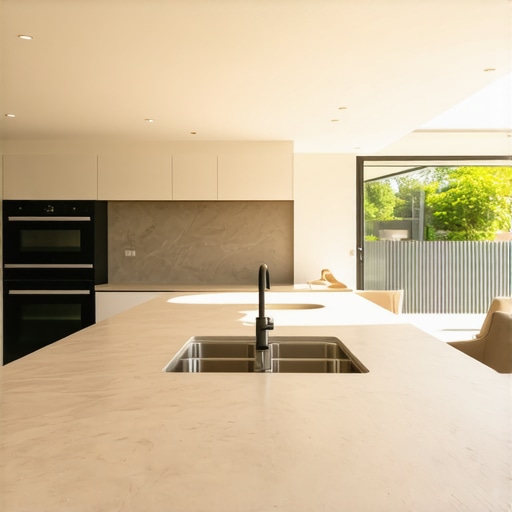
Why Your Kitchen Island Needs a Second Prep Sink
A single sink is a logistics bottleneck. In a high-end renovation, it is the primary point of failure for culinary workflow. After twenty years of managing luxury kitchen builds, I have seen the same pattern: homeowners invest $50,000 in premium cookware and professional-grade appliances, only to realize they are fighting for space over a single basin. The second prep sink is not a luxury. It is a strategic tool for efficiency. If your island exceeds six feet, a secondary water source is non-negotiable for maintaining the ROI of your layout.
The ROI of Dedicated Prep Zones
The traditional kitchen triangle is dead. It has been replaced by ‘Zone Design.’ When you are operating a heavy-duty stand mixer on one end of the island and preparing a protein sear on the other, the distance to the main sink creates a friction point. A prep sink reduces the ‘travel distance’ within the kitchen by 40%. This is about time management. It is about keeping the mess away from the clean zone. Professional designers recognize that why a good kitchen layout follows the golden work triangle is often less about the sink itself and more about the volume of tasks handled simultaneously.
[IMAGE_PLACEHOLDER]
Engineering the Island Sink Reality
Installation is where most general contractors cut corners. Integrating a sink into an island requires precise plumbing. You are dealing with island venting—often an Oatey Sure-Vent or a traditional loop vent—which must be sized correctly to prevent drainage lag. The weight of a 16-gauge stainless steel undermount sink, when filled with water, exerts significant stress on the adhesive bond of a stone countertop. The solution? Mechanical clips. Avoid contractors who rely solely on silicone. If you are also running high-end espresso machines, plumbing the island sink to include a dedicated filtration line is a high-level move that preserves the lifespan of your boiler components. According to the National Kitchen & Bath Association (NKBA), accessible water points are the most requested feature in modern luxury kitchens.
The Implementation Risk and Drainage Failure
I’ve seen the damage a poorly sealed island sink can do. The smell of damp plywood. The slow drip that destroys custom cabinetry. When you choose a sink, you must consider the footprint. Most why most kitchen islands are too narrow for serious food prep involves the failure to account for the ‘landing zone’ on either side of the basin. A prep sink needs at least 18 inches of clearance. Without it, you are just splashing water on your floor. For those using large-capacity air fryers or other countertop appliances, the proximity of water to electrical outlets requires strict GFCII compliance. The technical reality? If your trap arm is too long, the sink will never drain at a professional velocity.
Market Corrections and Future Proofing
The local real estate market is shifting. High-net-worth buyers now look for ‘Scullery Logic’ in the main kitchen. A second sink signals a kitchen that was designed for actual cooking, not just for show. Data from the National Association of Realtors (NAR) indicates that professional-grade kitchen layouts retain 80% of their value during resale. In the next 24 months, expect to see prep sinks integrated with modular accessories—cutting boards and colanders that turn the sink into a multi-purpose workstation. This isn’t a trend. It’s an evolution of the workstation. Knowing how to choose the right size undermount sink for your prep needs is the difference between a functional asset and an expensive mistake.
The Executive Verdict
If your island is your primary workspace, install the second sink. It is a ‘Buy’ recommendation for any kitchen over 150 square feet. It segregates the raw prep from the clean dishes. If you entertain, it doubles as an ice chest for beverages. The strategy is simple: decentralize the water access to centralize the efficiency. Don’t let a $2,000 plumbing decision handicap a $150,000 kitchen.
FAQ
Does a prep sink require its own garbage disposal? Yes. If you are prepping vegetables, a disposal is necessary to prevent clogs in the smaller 2-inch drain lines. Will a second sink reduce my available counter space too much? Only if the island is under 6 feet long. On larger islands, the utility gained far outweighs the lost square footage. What is the best depth for a prep sink? Aim for 8 to 10 inches. Anything shallower will result in excessive splashing on your island surface. Is a bar sink the same as a prep sink? No. Bar sinks are typically smaller and less durable. A true prep sink should handle the weight of heavy cookware and have a high-arc faucet for filling large pots.