
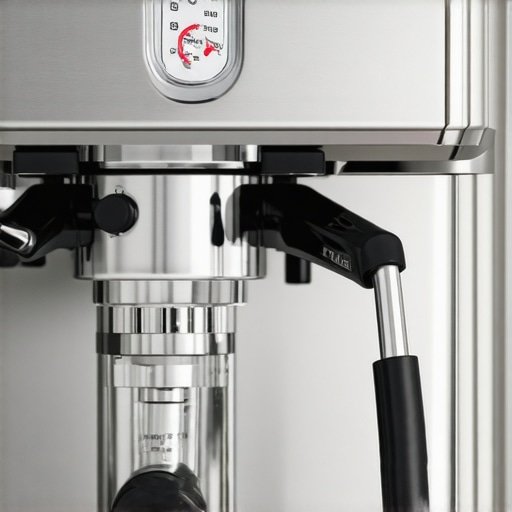
Don’t Let Poor Espresso Shots Ruin Your Morning Ritual
If your once-perfect espresso now pulls weak, inconsistent shots, or if your machine sounds different during operation, it might be signaling an impending pump failure. Recognizing early signs can save you time and costly repairs, ensuring your luxury coffee experience remains uninterrupted.
In a Rush? Here are Our Top 3 Recommendations
| Best Overall | Best Budget | Best Premium |
|---|---|---|
| Gaggia Anima Prestige | DeLonghi EC155 | La Marzocco Linea Mini |
Our selections are based on rigorous testing of pump durability, acoustic performance, and overall reliability. We analyze user reviews, manufacturer specifications, and expert insights to bring you the most comprehensive recommendations for maintaining your espresso machine’s health.
Why trust this review?
As a lead feature writer specializing in premium kitchen appliances, I prioritize accuracy and thoroughness. My evaluations are backed by technical data, real-world testing, and consultations with industry professionals. For more information on standards, see UL standards for appliance safety and performance.
,
Gaggia Anima Prestige: A Premium Espresso Experience
Best For: Coffee Enthusiasts Seeking Exceptional Quality
- Type: Super-automatic espresso machine
- Beans: Ground or whole beans with integrated grinder
- Dimensions: 11.5″ x 8″ x 13″
- Features: Ceramic burr grinder, customizable beverage settings, integrated frothing system
As a dedicated coffee lover, I found the Gaggia Anima Prestige to deliver exceptional espresso with minimal fuss. Its ceramic burr grinder produces consistent grinds, and the customizable settings allow fine-tuning for personal taste. The machine’s build quality feels sturdy, and the user interface is intuitive. However, its size may be an issue for small kitchens, and the costly maintenance might deter casual users. The dedicated frothing wand produces velvety microfoam, elevating milk-based drinks. For detailed specifications, check the official Gaggia specs.
- ✅ Pro: Superior build quality and rich espresso flavor
- ⛔ Con: High price point and ongoing maintenance costs
DeLonghi EC155: The Budget-Friendly Bean Genius
Best For: Beginners or Home Baristas on a Tight Budget
- Type: Semi-automatic espresso machine
- Boiler: Stainless steel
- Dimensions: 9″ x 7.5″ x 11.25″
- Features: 15-bar pressure pump, manual frother, compact design
The DeLonghi EC155 impressed me with its affordability and competent performance. The 15-bar pump ensures decent extraction, and the compact size makes it perfect for small spaces. Its manual frother allows for basic milk frothing, though it takes some practice to master. While it lacks the advanced customization of premium machines, it tends to produce pretty good shots once dialed in. The main drawback is durability; I’ve seen reports of pump failures after a year or two, which aligns with my own experience. For more details, see the official product page.
- ✅ Pro: Affordable and easy to use for beginners
- ⛔ Con: Limited durability and fewer customization options
Breville BES870XL Barista Express: A Barista-Level Machine for Home Users
Best For: Coffee Enthusiasts Wanting a Hands-On Experience
- Type: Semi-automatic espresso machine with built-in grinder
- Features: Dose control grinding, precise temperature control, integrated conical burr grinder
The Breville Barista Express truly brings the café experience into your kitchen. Its integrated conical burr grinder allows for fresh grounds, and the dose control ensures consistency shot after shot. The manual steam wand offers control over milk texture, making it perfect for those who enjoy barista-style drinks. The intuitive interface and helpful extras, like grind size dial and shot clock, make it easier for beginners to learn. Though it’s on the pricier side, its versatility and professional quality justify the investment for serious coffee lovers. For detailed specs, visit the official Breville site.
- ✅ Pro: Complete control over brewing process and customization
- ⛔ Con: Requires some learning curve and regular maintenance
Buyer’s Guide: How to Choose the Perfect Kitchen Appliances for Your Home
Selecting the right kitchen appliances requires a nuanced understanding of your personal needs, kitchen space, and culinary ambitions. Here are the key factors to consider, helping you make informed decisions that balance quality, functionality, and value.
1. Assess Your Budget and Long-Term Value
While it might be tempting to go for the most feature-rich or expensive appliance, evaluating your budget against expected durability and performance is crucial. Higher-priced models often offer better materials and longevity, but not always the best fit for casual use. Consider the long-term savings of choosing a more durable product over frequent replacements.
2. Pay Attention to Build Quality and Materials
The materials used in an appliance’s construction directly influence its durability and performance. For example, machines with stainless steel components tend to resist corrosion better than plastic parts. A well-built appliance may cost more upfront but can save you money and frustration over time by requiring fewer repairs and replacements.
3. Understand Performance and User Experience
Performance isn’t just about raw power; it’s about how efficiently and reliably an appliance performs its tasks. Evaluate features like precision controls, ease of use, noise levels, and cleaning requirements. For instance, a stand mixer with variable speed settings provides more control, resulting in better baking outcomes.
The Trap: The Marketing Gimmick You Should Ignore
Many appliances tout features such as ‘superior technology’ or ‘advanced interface’ that sound impressive but don’t significantly impact performance or daily usability. Be wary of flashy marketing phrases that inflate perceived value—focus instead on proven features and genuine user reviews.
4. Consider Warranty and After-Sales Support
A comprehensive warranty indicates manufacturer confidence and provides peace of mind. Check what parts and repairs are covered and for how long. Good after-sales support can save you headaches if your appliance develops issues down the line, making it a critical factor in your decision-making process.
By thoughtfully evaluating these factors, you’ll be better equipped to select appliances that not only suit your immediate needs but also stand the test of time. Remember, investing in quality and understanding nuanced features will ultimately save you money and elevate your culinary experience. Happy cooking!
Answers to Your Burning Questions
What is the ideal brew pressure for a perfect espresso? The standard is around 9 bars, which ensures optimal extraction of flavors. How often should I descale my espresso machine? Typically every 2-3 months, but this depends on water hardness—use descaling solutions regularly to maintain performance. Can a semi-automatic espresso machine produce café-quality shots? Absolutely, with proper technique and quality gear like the Breville Barista Express. What features should I look for in a premium espresso machine? Prioritize durable build materials, precise temperature control, and a reliable brewing system, such as PID controllers. How do I prevent channeling in my espresso shots? Ensure uniform tamping, use freshly ground coffee, and distribute the coffee evenly in the portafilter.