
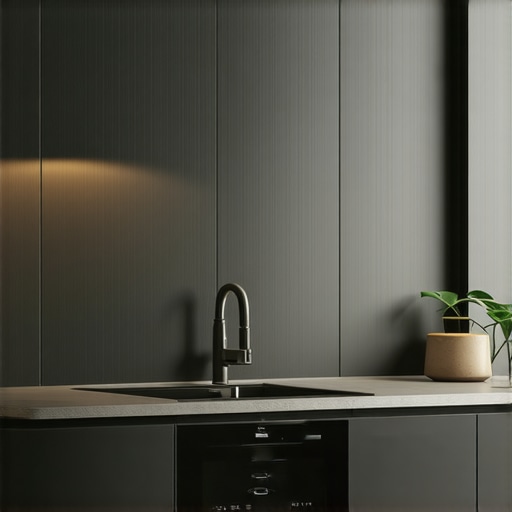
The integrated panel-ready refrigerator stands as the silent sentinel of high-end design. It isn’t just about hiding a compressor or a cooling coil; it’s about architectural spatial continuity. I have managed luxury kitchen installs for twenty years, and the ‘hidden’ fridge is a financial hedge, not just a design choice. Homeowners often flinch at the labor quote for mounting a Sub-Zero or a Miele panel-ready dishwasher. They see a flat fee. I see three days of specialized carpentry and a dozen precision calibration steps. If the reveal is off by 1/16th of an inch, the entire visual field of a high-end project collapses. The result? Avoidable failure.
Why Integrated Panel Appliances are Worth the Extra Installation Cost
Standard stainless steel is a visual speed bump. In an open-concept floor plan, a massive wall of silver metal breaks the flow, screaming for attention where none is needed. Integrated units allow the cabinetry to breathe. This level of design density is what separates a standard renovation from one increasing your home’s resale value significantly. While many focus on the appliance price tag, few account for the cabinetmaker’s bench time, a variable that often doubles the total spend. Is it worth it? Every cent. When you eliminate the visual clutter of appliance seams, you create a environment that feels less like a workspace and more like a curated living area.
The Engineering Reality of Custom Mounting
Panel-ready units are built differently. They utilize zero-clearance hinges that allow a heavy wooden panel to swing open without binding against the adjacent cabinet frame. This isn’t your standard hinge. These are heavy-duty, multi-pivot points of failure if installed by an amateur. The weight of the industrial grade steel used in the appliance chassis must counter-balance the 40-pound custom-milled oak or walnut panel attached to its face. I’ve seen cheap cabinetry buckle under the torque of a misaligned panel. The engineering must be exact. Ventilation is the second-order effect people forget. Integrated units require specific air-path baffles to prevent the motor from choking on its own heat, a risk often overlooked in DIY attempts. High-performance kitchens involving luxury dishwashers for an open-concept layout require this silence and integration to function as intended.
The ROI of Aesthetic Equity
Think of your kitchen as a portfolio. The high-traffic zones—where the stand mixers and air fryers sit—are functional, but the large-scale vertical surfaces are your equity. When you choose integrated panels, you are essentially investing in a custom furniture piece rather than a temporary machine. In high-demand markets, the National Kitchen & Bath Association (NKBA) often notes that integrated designs stay on the market for shorter periods because they don’t date as quickly as specific stainless finishes. According to real estate research by organizations like Zillow Research, professional-grade, hidden appliances are a top-tier signal to buyers that no corners were cut during construction.
What Breaks When You Cut Corners
The messy reality? Most contractors hate integrated panels. They take too long. They require absolute level floors. They demand a high level of patience. I remember a project in a coastal property where the installer ignored the thermal bridging requirements. Within six months, the moisture from the sea air and the heat from the poorly vented compressor warped the custom panels, turning a $15,000 refrigerator into a $20,000 repair bill. You can smell the fresh adhesive of a new panel, but if you don’t feel the weight of the mounting bracket clicking into its lock-point, the door will eventually sag. This is the operational risk. Integration is binary: it is either perfect or it is broken. There is no middle ground.
Strategic Foresight for 2025 Kitchens
The local market is shifting toward ‘warm minimalism.’ We are moving away from the cold, industrial look of the 2010s. This means even smaller items like premium cookware and specialized espresso machines are being tucked into appliance garages, while the large fridges and dishwashers disappear entirely. When selecting high-end countertop materials, the waterfall edges and stone slabs look far better when they aren’t competing with a 36-inch stainless steel box. Expect to see more ‘invisible’ kitchens in the next 24 months, where the cooktop is induction-hidden under the stone and the only visible tech is a high-end coffee station.
The Executive Verdict
If your home value is above the $1M mark, panel-ready is the only path. It protects your investment and ensures the kitchen remains the focal point without looking like a showroom floor. Buy the appliance, but more importantly, buy the expertise to hang it correctly. If you are in a high-humidity area or an older home with uneven floors, double your installation budget to account for the necessary structural shimming. The peace of mind is the real luxury.
Frequently Asked Questions
Can I use my existing cabinet doors for integrated appliances?
No. Most existing doors are not the correct thickness or weight for appliance mounting. They require custom-milled panels designed to the appliance’s specific mounting template.
Does integration void the appliance warranty?
Only if the ventilation requirements are ignored. Professional installers ensure the air-flow paths meet manufacturer specifications.
Why is the labor so much higher than a standard install?
Standard installs take an hour. Panel-ready installs involve scribing to the wall, adjusting hinges for 1/32-inch tolerances, and securing the unit to the floor to prevent tipping under the weight of the panel.
Are integrated appliances harder to repair?
Slightly. The technician must carefully remove the decorative panel or toe-kick to access the internals, but for high-end brands, this is a standard procedure.