
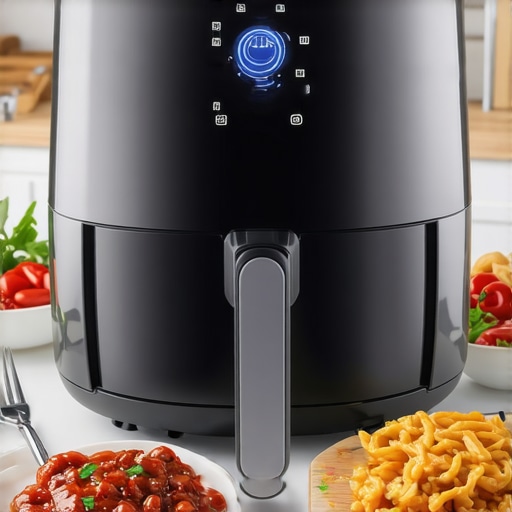
Non-stick coatings are not indestructible shields. They are precision-engineered layers of Polytetrafluoroethylene (PTFE) or ceramic composites designed for specific thermal thresholds. After fifteen years in the high-end appliance sector, I have witnessed countless luxury kitchen setups degraded by simple operational negligence. Most owners treat their air fryers like cast iron. This is a fundamental error in material science. If you understand the molecular bond between the coating and the substrate, you realize how easily that bond fractures. Failure to respect these boundaries leads to peeling, flaking, and the inevitable migration of polymers into your food. The cost of ignorance is high. Replacing a premium basket or an entire unit because of a ten-dollar bottle of cooking spray is an avoidable tragedy.
5 Mistakes That Ruin Your Air Fryer’s Non-Stick Coating Permanently
The technical reality of non-stick surfaces involves a delicate balance of surface tension and heat resistance. When you disrupt this balance, the coating loses its integrity. It is rarely a single event. Usually, it is a series of thermal and chemical micro-traumas that culminate in total failure. You must think of your air fryer as a piece of laboratory equipment. Precision matters. Maintenance is not a suggestion; it is a requirement for longevity.
Chemical Warfare with Aerosol Sprays
Aerosol cooking sprays contain lecithin. This emulsifier is a disaster for non-stick surfaces at high temperatures. In the rapid airflow of a luxury air fryer, lecithin undergoes a process called carbonization. It creates a gummy, invisible residue that refuses to wash away with standard soap. The next time you heat the unit, that residue bakes further into the coating. Eventually, the residue becomes the surface. You then try to scrub it off, and you take the non-stick layer with it. This is the reason your non-stick pan is peeling after only six months in many cases. Use a high-smoke-point oil in a glass mister instead. Pure oil does not have the chemical additives that cause this polymer bonding. Your hardware will thank you.
Mechanical Abrasions from Improper Utensils
Steel is harder than PTFE. It is that simple. Using a metal fork to flip a chicken wing is a death sentence for the basket. Even a tiny scratch creates a point of entry for moisture and fats to get under the coating. Once the seal is broken, the heat causes the trapped moisture to expand, lifting the coating from the metal base. This process is called delamination. It is irreversible. You must stop ruining your non-stick air fryer trays with metal utensils immediately. Silicone or high-heat nylon are the only acceptable materials. A single slip of a metal tong can ruin a three-hundred-dollar machine in a millisecond. The technical purist understands that surface integrity is binary: it is either sealed or compromised.
Thermal Shock from Rapid Cooling
Metal expands when hot and contracts when cold. The aluminum or steel base of your air fryer basket moves at a different rate than the non-stick coating. If you take a basket heated to four hundred degrees and plunge it into cold water, you trigger thermal shock. The rapid contraction causes micro-cracks in the coating. You might not see them today. But after twenty cycles, the coating will begin to flake off in large sections. Patience is a technical virtue. Let the basket reach room temperature naturally before it touches water. This preserves the structural bond between the layers. Rapid cooling is a shortcut that leads directly to the landfill.
The Abrasive Scrubbing Fallacy
If food sticks, your first instinct is to scrub. This is where the damage accelerates. Using green abrasive pads or steel wool is essentially sanding down the engineering. Once you thin the coating, its non-stick properties vanish, causing more sticking. It is a feedback loop of destruction. Instead, use a deep-cleaning protocol. Soak the basket in warm water with a mild degreaser. If you have significant buildup, why your air fryer is smoking and the simple prevention steps often point back to carbonized grease that needs gentle removal. If you cannot remove the debris with a soft sponge, you have already failed the maintenance phase. The goal is prevention, not aggressive restoration.
Dishwasher Cycle Degradation
Manufacturers often claim their parts are dishwasher safe. This is a marketing truth but a technical lie. Dishwasher detergents are highly alkaline and contain abrasive salts. Combined with high-pressure water jets, this environment acts like a slow-motion sandblaster. Over time, the alkalinity eats away at the bonding agents holding the non-stick layer to the metal. You will notice the surface becoming dull and eventually feeling like sandpaper. Hand washing is the only way to ensure the coating lasts for the intended lifespan of the device. Professional chefs never put their premium gear in a dishwasher for this exact reason. It is about protecting the investment through manual oversight.
The Engineering Reality of Wear
In my experience, the failure of air fryer coatings is a leading cause of consumer dissatisfaction. We see it in the service department constantly. The smell of scorched polymer is unmistakable. It is the scent of a ruined component. When the coating fails, the thermal efficiency of the unit changes. Heat distribution becomes uneven. You lose the very benefit of the air fryer’s convection technology. The industry is moving toward more durable solutions, but we are not there yet. Current standards, such as those monitored by the FDA regarding PFAS, ensure safety, but they do not guarantee durability against user error. You are the final quality control officer in your kitchen.
Strategic Foresight for Luxury Kitchens
Looking ahead into 2025 and 2026, we expect a massive shift in air fryer manufacturing. Regulatory pressure on traditional non-stick materials is mounting. We are seeing a rise in stainless steel and glass-bottomed air fryers. These materials lack the convenience of PTFE but offer infinite durability. If you are a high-volume user, the move to un-coated stainless steel inserts is a wise strategic play. It eliminates the replacement cycle entirely. For those who prefer the ease of non-stick, expect to pay a premium for newer, harder ceramic hybrids. These materials are more resistant to heat but remain vulnerable to mechanical impact. The market is correcting toward longevity over disposable convenience. If you want your current unit to survive this transition, you must adopt professional-grade maintenance habits now.
The Executive Verdict
If your coating is already peeling, stop using the basket immediately. There is no safe way to repair a flaking PTFE surface. Your health is worth more than the cost of a replacement part. If your coating is intact, transition to a silicone-only toolset and glass-misted oils today. This simple shift in operational protocol will triple the lifespan of your appliance. Treat the surface as a finite resource. Every time you cook, you are managing that resource. Waste it with metal tools, or preserve it with technical care. The choice determines whether your air fryer remains a luxury asset or becomes electronic waste.
Frequently Asked Questions
Is it safe to use an air fryer if the coating is slightly scratched?
A minor scratch is a gateway for further peeling. While a small nick may not be immediately toxic, it signals the beginning of the end for that basket. Monitor it closely. If you see any flaking, discard it.
Can I use parchment paper to protect the coating?
Yes. Using perforated parchment paper or silicone liners is an excellent strategy. It reduces the need for aggressive cleaning and prevents direct contact between food acids and the coating. Just ensure the paper is weighted down to avoid hitting the heating element.
How do I remove the new plastic smell without damaging the coating?
The how to get rid of the new plastic smell in your air fryer guide recommends a vinegar and lemon juice soak. This acidity helps neutralize odors without the need for harsh chemicals that might degrade the non-stick surface during the initial burn-in phase.