
The Proper Way to Oil Your Wood Countertops in a Modern Kitchen
Wood is temperamental. It breathes, reacts to humidity, and if ignored, it fails. In a high-end culinary space equipped with premium cookware and professional-grade appliances, the wood surface serves as a structural anchor. Most owners treat oiling as a chore. They are wrong. It is an engineering requirement. Without regular saturation, the cellular structure of the timber collapses, leading to checking, warping, and bacterial infiltration. After fifteen years of designing high-performance kitchens, I have seen five-figure walnut islands ruined by nothing more than simple dehydration. The result? Total loss. Avoidable failure.
The mechanics of wood maintenance rely on the principle of saturation. You are not simply coating the surface; you are displacing air and moisture within the wood fibers with stable, non-rancid lipids. We use food-grade mineral oil specifically because it lacks the proteins found in vegetable oils that eventually rot. If your wood feels parched or looks dull, the barrier is already gone. For those who prioritize durability, selecting the most durable countertop materials for heavy-duty home chefs means understanding that wood requires a commitment to its chemical stability. The oil must be applied until the wood literally refuses to drink more. This is the saturation point. You will know you have reached it when the surface remains glossy for twenty minutes without dry spots appearing. It is a slow, methodical process that separates a showroom kitchen from a working one.
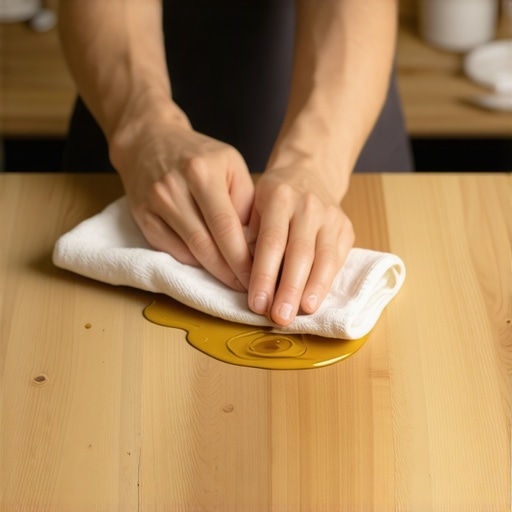
Implementation is where the mess happens. I remember a project in a local coastal estate where the humidity fluctuations were so extreme the maple tops started cupping within weeks. The smell of fresh beeswax and the heavy, viscous pull of the oil as it is buffed into the grain are sensory markers of a job done right. You must apply the oil in the direction of the grain, using lint-free rags. Avoid cheap paper towels that leave fibers embedded in the wood. If you are using an end grain cutting board as part of your prep station, the maintenance frequency doubles. The end grain acts like a series of straws, sucking up moisture and oil at a rate three times faster than edge grain. The risk of skipping this? Deep fissures that harbor salmonella—a risk no luxury kitchen can afford.
Looking toward 2025, we see a shift back to raw, organic textures over the cold uniformity of quartz or sintered stone. As homeowners integrate more countertop materials for people who actually cook, the demand for high-maintenance but high-reward surfaces is rising. Regulatory changes regarding VOCs in wood finishes are making natural oiling more than just a preference; it is becoming the only legal way to maintain these surfaces in certain jurisdictions. The second-order effect is a rise in specialized wood-care services, but the savvy owner does this in-house to maintain a direct connection with their tools. According to the National Wood Flooring Association standards, moisture content in wood should stay between 6% and 9% to prevent structural failure, a metric directly supported by consistent oiling.
The executive verdict is simple: Buy high-quality food-safe mineral oil in bulk and hold a strict 30-day maintenance schedule. If your kitchen sees heavy use with air fryers or espresso machines that generate localized heat, check the wood weekly. Heat accelerates evaporation. If the wood feels rough like 200-grit sandpaper, you have waited too long. Sand it back with 400-grit, vacuum the dust, and saturate it immediately. Your strategy should be proactive, not reactive.
How often should I oil my wood countertops?
Every four weeks is the standard. If the wood appears light in color or absorbs water instantly, oil it immediately regardless of the calendar.
Can I use olive oil to season my wood?
Absolutely not. Organic oils contain fats that oxidize and turn rancid, creating a foul odor and a sticky, unhygienic surface.
What happens if I never oil my wood countertops?
The wood will eventually crack due to shrinkage. Once deep fissures form, the structural integrity is compromised and the surface becomes a breeding ground for bacteria.
Is beeswax better than mineral oil?
It is not a matter of better, but different. Mineral oil penetrates deep, while beeswax provides a water-resistant top layer. A blend of both is the gold standard for luxury surfaces.