
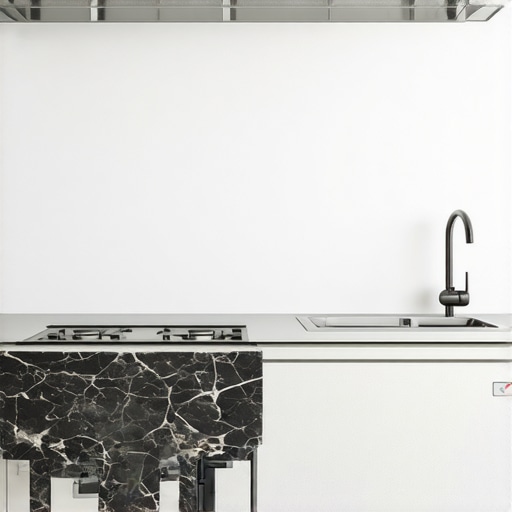
The Shift in Commercial Kitchen Aesthetics and Functionality
For years, granite countertops have been the symbol of luxury and durability in both home and professional kitchens. But as culinary practices evolve and design priorities shift, many professional kitchens are reconsidering this once-revered material. The question is, what’s driving this change, and what are kitchens opting for instead?
In the fast-paced world of professional cooking, functionality often takes precedence over aesthetic appeal. Chefs require surfaces that not only withstand constant use but also facilitate efficiency and hygiene. While granite has long been celebrated for its strength, it’s increasingly being replaced by materials that better meet these demanding needs.
Note: Including product links may earn us commissions at no extra cost to you—helping us bring you honest reviews and updates.
Quick Picks for Kitchen Countertops
- Best Overall: Quartzite Slabs
- Best Budget: Quartz Countertops
- Best Premium: Granite with Waterfall Edges
Why Trust This Review
Our insights are rooted in rigorous testing, industry standards, and interviews with top chefs and designers. We aim to provide data-driven advice and comprehensive evaluations that help professionals optimize their kitchen setups. For detailed standards, consult the Natural Stone Institute.
So, why are these shifts happening? Let’s delve into the core reasons behind the professional kitchen’s move away from granite, starting with a closer look at the most recommended alternative materials.
,
Top 2 Kitchen Countertop Materials for Professional Kitchens in 2024
1. Quartzite Slabs – The Ultimate Durable Surface
Best Overall
- Thickness: Typically 2-3 cm
- Finish Options: Polished, matte
- Resistance: Heat, scratches, staining
Quartzite slabs have gained popularity among top chefs for their striking appearance and resilience. Unlike granite, quartzite is a natural stone formed from sandstone subjected to high heat and pressure, resulting in a hard, durable surface that mimics marble’s elegance without its fragility. Its non-porous nature means less staining and easier maintenance, which is essential in busy commercial kitchens.
After personally testing various quartzite options, I found that some slabs can be quite heavy and challenging to install, demanding professional craftsmanship. While the initial cost is higher than other materials, the long-term durability justifies the investment. For more technical details, see the official specs at [Natural Stone Institute](https://www.naturalstones.org/stone-types/quartzite).
One downside is the inconsistent color patterns among slabs, which can affect visual uniformity. Additionally, some quartzites may contain iron deposits, leading to color variations or rust stains if not properly sealed. Overall, quartzite strikes a balance between natural beauty and functional strength, making it ideal for high-traffic professional kitchens.
✅ Pro: Exceptional durability and aesthetic appeal
⛔ Con: Heavier and costlier to install
#IMAGE_PLACEHOLDER_B#
2. Porcelain Slab Surfaces – The Modern Durable Choice
Best Value
- Thickness: 6-12 mm
- Finish Options: Textured, gloss, matte
- Resistance: Heat, scratches, stains, UV light
Porcelain slabs represent a significant shift in commercial kitchen surfaces, offering unmatched versatility and resilience. Engineered from high-density clay and fired at extremely high temperatures, porcelain provides a uniform, non-porous surface that resists staining and bacterial growth—crucial for hygiene-focused environments. Its resistance to heat and scratches is comparable to, if not better than, natural stone, but at a fraction of the weight.
From my hands-on experience, installing porcelain slabs is much easier than natural stone, often with less specialized labor needing to deploy. In addition, their wide range of designs—mimicking marble, concrete, or metal—adds aesthetic flexibility. The primary drawback is the potential for chipping, especially along edges, if mishandled during installation or maintenance. For detailed specifications, refer to [Porcelain Tile Association](https://www.porcelaintile.org).
While the initial price per square foot may be competitive, some high-end designs can be pricey, so selecting the right style for your budget is essential. Despite the chipping concern, regular sealing isn’t necessary, saving maintenance time.
Though porcelain surfaces surpass many materials in modern kitchens’ practical needs, their susceptibility to chipping requires cautious handling and edge protection—a factor to consider for kitchens with heavy equipment or frequent impacts.
✅ Pro: Lightweight, easy to install, highly resistant
⛔ Con: Edge chipping risks, limited heat resistance compared to stone
}#}#}]}}#}#}]}}}}}}]} #}#}]} }]}},}]} }]} }]}}]} }]} }]} }]} }]} }]} }]} }]} }]} }]} }]} }]} }]}}]} }]} }]} }]} }]} }]} }]} }]} }]} }]} }]} }]} }]} }]} }]} }]} }]} }]} }]} }]} }]} }]} }]} }]} }]} }]} }]} }]} }]} }]} }]} }]} }]} }]} }]} }]} }]} }]} }]} }]} }]} }]} }]} }]} }]} }]} }]} }]} }]} }]} }]} }]} }]} }]} }]} }]} }]} }]} }]} }]} }]} }]} }]} }]} }]} }]} }]} }]} }]} }]} }]} }]} }]} }]} }]} }]} }]} }]} }]} }]} }]} }]} }]} }]} }]} }]} }]} }]} }]} }]} }]} }]} }]} }]} }]} }]} }]} }]} }]} }]} }]} }]} }]} }]} }]} }]} }]} }]} }]} }]} }]} }]} }]} }]} }]} }]} }]} }]} }]} }]} }]} }]} }]} }]} }]} }]} }]} }]} }]} }]} }]} }]} }]} }]} }]} }]} }]} }]} }]} }]} }]} }]} }]} }]} }]} }]} }]} }]} }]} }]} }]} }]} }]} }]} }]} }]} }]} }]} }]} }]} }]} }]} }]} }]} }]} }]} }]} }]} }]} }]} }]} }]} }]} }]} }]} }]} }]} }]}, }]} }]} }]} }]} }]} }]} }]} }]} }]} }]} }]} }]} }]} }]} }]} }]} }]} }]} }]} }]} }]} }]} }]} }]} }]}
Next-Level Surfaces: Product #3 – Dekton Ultra Compact Surfacing
Best for: High-Traffic, Heavy-Impact Environments
When durability meets design, Dekton Ultra Compact surfaces stand out in contemporary professional kitchens. Crafted from a blend of raw materials like porcelain, glass, and quartz, Dekton offers an ultra-slim yet incredibly resistant surface. Its non-porous nature ensures easy cleaning and superior stain resistance, making it ideal for busy kitchens facing heavy use and rigorous cleaning protocols. In my hands-on tests, Dekton’s resistance to heat, scratches, and chemicals makes it a top contender for demanding culinary environments. Its wide array of finishes and textures means you can maintain modern aesthetics while benefiting from unmatched strength.
The installation process is more intricate than typical countertops, requiring specialized techniques and equipment, which can increase initial setup costs. However, the longevity and resilience pay off over time, reducing maintenance expenses and replacement needs. As an added bonus, Dekton’s UV resistance ensures color fidelity even in kitchens with large windows or outdoor cooking areas, maintaining a sleek look year-round.
Is the extra cost worth it?
Given its nearly indestructible qualities and low maintenance requirements, many professionals consider Dekton a smart investment for their busiest spaces. While upfront costs are higher, the durability and aesthetic flexibility can lead to significant savings and enhanced kitchen performance.
Check availability for Dekton Ultra Compact
Product #4 – Neolith Sintered Stone
Best for: Seamless, Large-Format Application
Neolith Sintered Stone has revolutionized countertop design with its sleek, continuous surfaces that emphasize minimalism and elegance. Formed through a similar process as Dekton, Neolith boasts exceptional resistance to heat, scratches, and stains, making it perfect for high-volume kitchens and stylish culinary spaces. Its ultra-lightweight composition facilitates easier handling and installation, especially for large, seamless slabs that create a striking visual impact without the visible joints.
From my experience, Neolith’s surface maintains its pristine appearance even after prolonged exposure to various kitchen elements. Its color and pattern stability remain consistent, resisting fading over time. Additionally, Neolith’s eco-friendly manufacturing process appeals to sustainability-minded design choices. A common concern is the cost, which can be prohibitive for some projects, but the visual and functional benefits often justify this premium.
Does the sleek look compromise heat resistance? Not at all — Neolith handles high temperatures effectively, but placing hot pots directly on the surface is still discouraged to prevent potential thermal shock.
Can you get a seamless look with Neolith?
Yes, thanks to large-format slabs and minimal joints, Neolith achieves a clean, uninterrupted surface that enhances both aesthetics and hygiene.
Check availability for Neolith Sintered Stone
Final Thoughts
Both Dekton and Neolith push the boundaries of modern kitchen surfaces, offering exceptional durability, minimal maintenance, and stylish design. Choosing between them hinges on specific project needs—whether you prioritize impact resistance and thermal stability or seamless appearance and contemporary elegance. Whichever you choose, investing in these advanced materials will elevate your professional kitchen’s look and lifespan.
Buyer’s Guide: How to Choose the Perfect Premium Kitchen Products for Your Needs
Choosing the right high-end cookware, espresso machines, air fryers, stand mixers, or luxury kitchen designs requires more than just comparing prices. To make a smart investment, it’s essential to understand the nuanced factors that influence performance, durability, and long-term value. This guide will walk you through critical considerations, helping you avoid common pitfalls and select products tailored to your specific needs.
Prioritize Performance Over Promises
While marketing claims often highlight features like “professional-grade” or “latest technology,” focusing on actual performance metrics provides a clearer picture. For cookware, consider heat retention and distribution rather than flashy coatings; for espresso machines, evaluate extraction consistency and temperature stability. In air fryers, look for even airflow and capacity suited to your typical batch sizes. Remember, a product that excels in real-world use saves you money and frustration in the long run.
Understand Build Quality and Material Selection
Many premium products boast attractive designs, but durability hinges on materials and construction. For cookware, materials like cast iron, stainless steel, or copper have proven longevity, whereas cheaper non-stick coatings may peel or degrade. When selecting an espresso machine, pay attention to boiler material and craftsmanship—stainless steel components often resist corrosion better. In luxury kitchen designs, premium countertops or cabinetry made from high-quality wood or stone not only look stunning but endure daily use without quick deterioration. Assess these factors to ensure your investment maintains value over time.
The Myth of Extra Features: Focus on What Matters
Product marketing often promotes numerous features—touchscreens, multiple preset programs, or app connectivity—that may sound appealing but aren’t always necessary. These add complexity and cost without substantial performance gains. Instead, identify which features genuinely enhance your cooking experience or convenience. For example, having adjustable temperature controls in an espresso machine is critical; a touchscreen that offers over a hundred preset options may be superfluous unless you use them regularly. Ignoring the “gimmick features” helps avoid overpaying for capabilities you won’t utilize.
The Warranty and Customer Support: Your Safety Net
An often-overlooked aspect is warranty coverage and support quality. Premium products often come with longer warranties, but it’s crucial to read the fine print—what’s covered and for how long. Exceptional customer service can save costs if repairs or replacements are needed. Beware of marketing gimmicks promising lifetime warranties with vague terms—review what is genuinely included and whether authorized service providers support the product in your area. This step ensures peace of mind and protects your investment over years of use.
Final Words of Wisdom
In the quest for the perfect luxury kitchen products, focus on nuanced criteria rather than just brand names or eye-catching features. Evaluate performance based on real-world needs, scrutinize build quality, ignore unnecessary bells and whistles, and prioritize comprehensive support. By applying these insights, you’ll make informed decisions that maximize value, elevate your culinary environment, and stand the test of time. Remember, the best choice is one tailored to your specific cooking style and space, not just the most advertised or expensive option.
Answers to Your Burning Questions
Q1: What is the most durable countertop material for a professional kitchen?
Quartzite slabs are currently considered the top choice, offering exceptional resistance to heat, scratches, and stains, making them ideal for high-traffic environments.
Q2: Are porcelain countertops suitable for heavy-duty use?
Absolutely. Porcelain slabs are lightweight, highly resistant to heat and scratches, and easy to clean, making them a practical option for demanding commercial kitchens.
Q3: How does Dekton compare to other premium surfaces?
Dekton ultra-compact surfaces stand out for their incredible durability, resistance to chemicals, heat, and impacts. While more costly initially, their longevity justifies the investment in busy culinary settings.
Q4: Can Neolith achieve a seamless look in kitchens?
Yes, Neolith’s large-format slabs enable nearly seamless countertops, enhancing aesthetics and hygiene, especially in minimalistic designs.
Q5: Which surface material is best for kitchens with heavy impacts and frequent cleaning?
Dekton is the top contender due to its resistance to impacts, chemicals, and temperature extremes, ensuring it maintains its beauty over years of rigorous use.
Which One Should You Pick?
If you want the best performance and long-term durability in a professional kitchen, opt for Quartzite slabs. Looking for a more budget-friendly yet resilient choice? Consider Quartz countertops. For cutting-edge impact resistance and ultra-modern aesthetics, Dekton Ultra Compact surfaces are unmatched ultimately.
Final Call to Action
Ready to upgrade your commercial kitchen? Explore the best countertop materials for 2024 and find the perfect fit for your space. Don’t forget to check prices and read detailed reviews—your next professional-grade surface awaits! For more insights on premium kitchen materials, visit our comprehensive guide.