
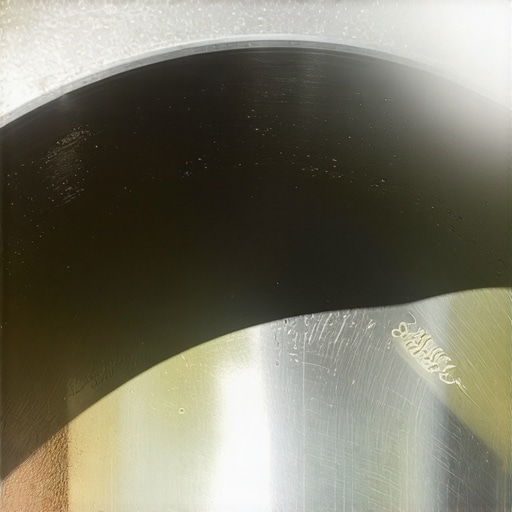
Why Your Carbon Steel Pan Keeps Losing Its Seasoning and How to Fix It
Carbon steel is the undisputed heavyweight champion of the professional line, yet in the context of a luxury kitchen, it remains the most misunderstood tool. After fifteen years of diagnosing hardware failures in high-end culinary environments, I have observed a recurring pattern. Homeowners invest in premium cookware, expecting the pan to behave like a Teflon-coated shortcut. It doesn’t. Your seasoning is flaking because you are treating a precision instrument like a blunt object. The bond between oil and steel is a chemical marriage, and currently, you are filing for divorce every time you turn on the burner. The result? Avoidable failure. Unlike the heavy walls of cast iron, carbon steel is reactive, agile, and unforgiving. If your surface is peeling, you haven’t failed the pan; you’ve failed the physics of polymerization.
The Chemical Reality of Polymerization
Seasoning is not a coating. It is a plastic-like layer formed when fats undergo a process called polymerization. When you heat oil past its smoke point, the fatty acids cross-link and bond to the microscopic pores of the metal. If your pan keeps losing this layer, the most likely culprit is an improper initial ‘blueing’ phase. You must heat the raw steel until it shifts through straw, purple, and finally a deep oceanic blue. This oxide layer is the foundation. Without it, your oil has nothing to grip. This is why the benefits of hand-forged carbon steel cookware for searing are so pronounced; the surface texture is fundamentally different from mass-produced stamped steel. You are looking for a molecular anchor, not a superficial smear of grease.
The Economics of Thermal Shock
The speed at which carbon steel responds to heat is its greatest asset and its primary weakness. In a high-performance luxury kitchen, we see users move a pan from a high-output gas burner directly into a cold basin. This is professional malpractice. The sudden contraction of the metal lattice literally shears the seasoning off the surface. You can hear it—a faint, metallic ‘ping’ that signals the death of your non-stick surface. To maintain premium cookware, you must respect the cooling curve. If you are struggling with a tacky, gummy residue instead of a hard shell, you likely applied too much oil. The layer should be so thin it is almost invisible before it hits the heat. For a deeper look at the technique, see how to season carbon steel without the sticky mess. A thick layer of oil doesn’t make a thicker seasoning; it creates a soft, carbonized sludge that will flake into your food the moment you introduce a protein.
The Induction Dilemma
Modern kitchens are shifting toward induction, and while this offers surgical precision, it creates a specific ‘hot spot’ risk for carbon steel. Most induction coils are smaller than the base of the pan. This creates a massive thermal gradient. The center expands, the edges stay cool, and the seasoning at the interface becomes stressed. We see this often when clients use air fryers or espresso machines nearby, cluttering the workspace and leading to uneven pan placement. Furthermore, why your induction cooktop hates thin-bottomed discount pans is a lesson in why mass is your friend. A quality pan needs enough ‘heft’ to distribute that concentrated magnetic energy, or the seasoning will literally burn off the center while the sidewalls remain raw.
Operational Risks of Chemical Striping
The ‘no soap’ rule is a myth, but like all myths, it contains a grain of truth. Modern dish soaps won’t kill a seasoned pan, but highly acidic ingredients will. If you are deglazing with wine or reducing tomatoes in carbon steel, you are dissolving the polymer. The ‘operational scar’ here is a grey, metallic-tasting sauce and a pan that needs a total reset. You must treat your carbon steel like a specialist. Use it for high-heat searing, sautéing, and Maillard-heavy tasks. Leave the acidic sauces to your 5-ply stainless steel. If you have already crossed that line and the surface looks mottled, you need to know how to remove burnt-on carbon from your premium skillets before you attempt to re-season. Layering new oil over old, burnt carbon is a recipe for a flaky, uneven mess that will ruin a prime cut of Wagyu in seconds.
The Engineering Reality of Maintenance
In my 15 years of running this company, I have seen that the most durable pans belong to the cooks who are the least ‘gentle’ with them. You don’t need to baby this metal. You need to use it. Every time you cook a steak, you are adding a micro-layer of seasoning. The problem arises when the pan sits idle in a damp environment. Oxidation is the silent killer of the professional kitchen. Even a perfectly seasoned pan can develop ‘under-film corrosion’ if stored improperly. The smell of fresh iron is a warning sign. You should always dry your pan on a warm burner and apply a microscopic film of oil before storage. This isn’t about aesthetics; it’s about preventing the moisture in the air from infiltrating the bond between the polymer and the steel. Professional chefs often stop using dish soap on their high-end carbon steel woks not because they fear the soap, but because they want to preserve that slight oily residue that prevents flash rust.
The Executive Verdict
The strategic choice for any serious home chef is to stop looking for a ‘permanent’ seasoning. It doesn’t exist. Seasoning is a living, breathing component of the tool. If it flakes, strip it. If it sticks, scrub it. The buy-side recommendation is simple: invest in a high-carbon, heavy-gauge pan (at least 2.5mm to 3mm thick) and commit to a ‘hard-use’ philosophy. If you are using stand mixers for dough and espresso machines for your morning routine, you already appreciate the value of specialized gear. Apply that same logic to your steel. Do not buy ‘pre-seasoned’ pans and expect them to stay that way. Build your own surface through heat and friction. That is the only way to achieve the legendary slidey-egg performance of a professional kitchen.
Frequently Asked Questions
Is my pan ruined if it starts to rust?
Never. Carbon steel is virtually indestructible. You can strip the rust with a mild abrasive or a vinegar soak, then follow the blueing and seasoning protocol to restore it to factory-new condition.
Why is my seasoning coming off in black specs?
This is carbonization, not polymerization. You likely had a layer of old food or too much oil that burnt instead of bonding. Use a chainmail scrubber to remove the loose bits and apply a thinner layer of oil next time.
Can I use metal utensils on my seasoned pan?
Yes. In fact, a metal spatula can help level out the seasoning over time by scraping away high spots. Just avoid deep gouging which can penetrate the oxide layer.
Which oil is best for a permanent bond?
Avoid flaxseed oil; it is too brittle and prone to flaking. Stick to high-smoke point, neutral fats like grapeseed oil or specialized seasoning waxes that contain beeswax for a more resilient finish.