
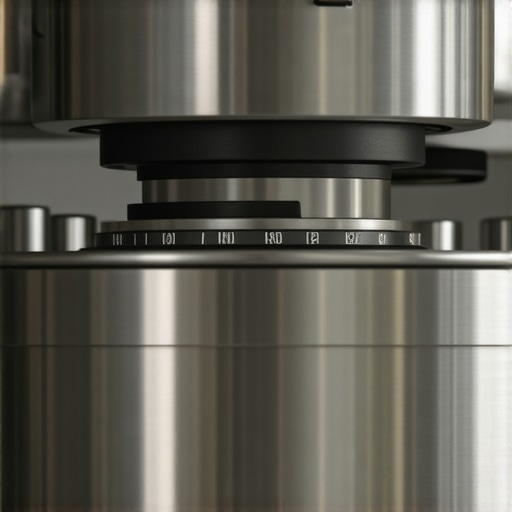
Why Your Stand Mixer’s Internal Gearbox Might Need Re-Greasing
Ignoring the mechanical health of a stand mixer is a recipe for catastrophic component failure. After fifteen years of disassembling high-torque planetary systems, I have seen a consistent pattern: users wait for the smell of burning oil before acting. By then, the damage is physical. The internal gearbox is the heart of your machine, converting high-speed motor rotation into the low-speed, high-power force needed to knead stiff doughs. When the lubricant breaks down, friction is no longer a theoretical concept. It becomes a destructive reality that eats through brass worm gears and steel shafts alike. Failure to maintain this system is a financial liability.
Mechanical Decay and Lubricant Viscosity
The engineering truth is that food-grade grease, typically those meeting NSF-H1 standards, is not eternal. It is a chemical suspension. Over time, heat cycles cause the base oil to separate from the thickening agent. This phenomenon, known as bleeding, leaves a waxy, useless residue on the gears while the vital oil pools at the bottom of the gear housing. The result? Metal-on-metal contact. In heavy-duty scenarios, such as when DC motors are saving heavy sourdough batches from overheating, the torque loads are immense. Without a consistent film of grease to distribute these forces, the teeth on the planetary carrier will strip. You won’t hear it at first. Then comes the rhythmic clack. That sound is the death knell of your machine’s precision timing.
Thermal Stress and the Scent of Failure
The messy reality of appliance ownership involves recognizing sensory cues. If your mixer emits a faint, acrid odor, or if you notice a black, oily drip descending from the planetary head into your bowl, the seal has already failed. This is the stage where most owners panic. They assume the motor is fried. Often, it is simply the gearbox vomiting its degraded lubricant because of excessive thermal expansion. I have seen countless luxury units discarded because the owner didn’t understand that the smell of burning oil indicates a lubrication crisis. The weight of the industrial-grade steel inside these machines demands a thick, tacky grease that stays put under centrifugal force. If you feel the top of the mixer housing getting too hot to touch during a ten-minute knead, your grease has likely transitioned to a liquid state, providing zero protection to the sensitive gear interfaces.
Industry Shifts and the Right to Repair
The market for luxury kitchen appliances is shifting toward sealed, ‘maintenance-free’ units. This is a strategic misdirection. No gearbox is truly maintenance-free if it contains moving parts and heat-generating friction. Regulatory changes in European and North American markets are beginning to favor the right to repair, which is a win for the Technical Purist. We are moving away from the era of disposable electronics back to an era where mechanical longevity is a metric of status. Expect to see more manufacturers providing access panels for servicing. If you own a legacy machine, you are already ahead. You can grease your mixer gears without calling a professional repairman, effectively resetting the wear-clock on your machine for another decade of service. This is not just about saving money; it is about rejecting the planned obsolescence that plagues modern retail.
The Executive Verdict
My recommendation is decisive: if your mixer is more than five years old or has seen weekly bread duty, the gearbox needs a purge and re-grease. Using a machine with separated or depleted lubricant is a gamble where the stakes are a five-hundred-dollar motor assembly. Purchase high-quality Benalene or similar food-grade grease. Open the housing. Clean the old, yellowed sludge out entirely. Apply the new grease with a focus on the worm gear and the planetary ring. This is a mandatory maintenance task for anyone serious about their kitchen infrastructure. Do not wait for the metallic screech to tell you what you already know.
Frequently Asked Questions
How often should I re-grease my mixer? For the average home cook, every five to seven years is sufficient. If you bake sourdough or heavy breads multiple times a week, every three years is a safer interval to prevent gear wear.
What kind of grease should I use? You must use NSF-H1 certified food-grade grease. Standard automotive or industrial grease can contain toxic additives that may leak into your food if a seal fails.
Is a leaking mixer dangerous? It is not a fire hazard, but it is a contamination risk. The oil dripping into your food is degraded and contains metallic micro-particulates from the wearing gears.
Can I just add more grease? No. You must remove the old, separated grease first. Mixing new grease with old, waxy residue creates a lumpy consistency that won’t coat the gear teeth evenly.