
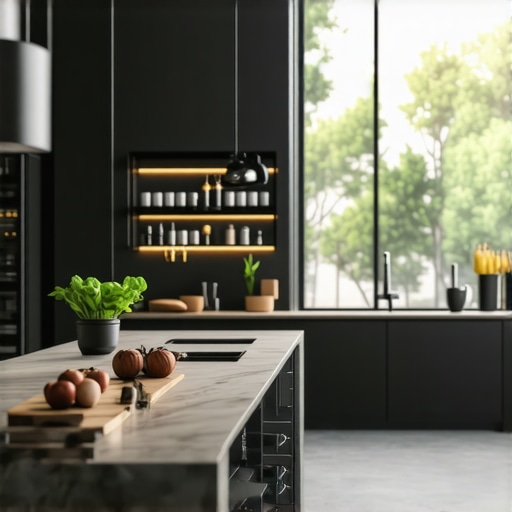
The Hidden Costs of a Custom Kitchen Layout You Should Know
Custom kitchen layouts are mechanical puzzles disguised as aesthetic triumphs. After 25 years navigating the local high-end renovation market, I have seen every avoidable disaster imaginable. Most homeowners prioritize the marble grain or the cabinet finish while ignoring the lifeblood of the room: the infrastructure. A custom layout shifts the original utility footprints, demanding surgical precision in plumbing and electrical reconfiguration. The stake here is not just money. It is the structural integrity and functionality of your primary living space. Right now, your existing electrical panel likely lacks the overhead for a modern luxury kitchen. Failure to account for the amp draw of high-performance air fryers and commercial-grade espresso machines leads to tripped breakers at the exact moment you are hosting a dinner party. The result? Avoidable failure.
The Infrastructure Burden of Premium Gear
Every high-end appliance brings a hidden tax. Consider the electrical requirements. Standard 15-amp circuits crumble under the load of modern culinary tech. You must realize that why your air fryer needs a dedicated circuit to reach max temp is not a suggestion; it is a thermal reality. When you cluster a stand mixer, a high-end toaster, and a dual-boiler espresso machine on one line, you risk wire degradation. Beyond the wires, there is the weight. Premium cookware collections—heavy copper and 5-ply stainless steel—demand reinforced cabinetry. I have walked into homes where the drawer glides were literally screaming under the weight of a professional skillet set. It is a gritty, mechanical reality that glossy brochures never mention. The smell of fresh adhesive and the cold weight of industrial-grade steel define the quality of the build, but they require a foundation that supports their specific needs.
The Plumbing Reality and the Pot Filler Trap
Moving a sink or adding a wet bar sounds simple. It is not. Relocating a drain line by even three feet requires a specific slope to maintain hydrostatic pressure. Mess this up, and your luxury kitchen will eventually smell like a sewer. Then there is the trend of the pot filler. While convenient, the hidden cost of installing a pot filler behind your high-end stove includes potential water damage behind the drywall where you cannot see it until the mold sets in. These fixtures often lack a floor drain. If a valve fails, you are not just mopping the floor; you are replacing the hardwood in the adjacent room. According to standards set by the National Kitchen & Bath Association, the complexity of these installs rises exponentially with every foot of pipe added to a non-standard location. You pay for the convenience with increased risk profiles.
Mechanical Ventilation and Negative Pressure Risks
If you install a pro-grade range with 18,000 BTU burners, your house needs to breathe. Most standard hoods are glorified fans that move air but do nothing for the heat and grease generated by luxury kitchen equipment. You need 1,200 CFM or higher. However, that air has to come from somewhere. Without a makeup air system, your range hood pulls air from the chimney or water heater vent. This brings carbon monoxide into your home. The cost of a proper HVAC balance is often a shock to the system. It involves ductwork revisions that cut through existing joists, adding thousands to the labor bill. We once had to retrofit a 10-inch duct through a structural beam because the architect forgot that air needs a path. The clank of the galvanized steel during installation was the sound of a profit margin disappearing.
The Logistics of Specialized Appliances
Integration is the buzzword of the decade, yet it is the most expensive path you can choose. Built-in units require millwork tolerances of less than a sixteenth of an inch. If your floor is not perfectly level—and no local house built before 2010 is—the installer will spend three days just shimming the frames. Why integrated dishwashers are worth the extra installation cost comes down to the seamless aesthetic, but the labor involved in matching the panel grain and adjusting the tension springs is a specialized skill. If that installer lacks experience with German or Italian brands, they will strip the mounting screws or, worse, crack the toe kick. These are the operational scars of a custom build.
Spatial Strategy and Flow Errors
The most expensive mistake is the island that is six inches too wide. The kitchen island mistake that makes your layout feel cramped is usually born from a desire for more prep space without considering the ‘hip-check’ effect in the walkways. You need 42 to 48 inches for two people to pass. Anything less turns your luxury kitchen into a bottleneck. Furthermore, the rise of the ‘clutter’ problem led many to invest in why hidden pantries are the only way to handle small appliance overload. While these walk-in sculleries save the main counters, they require their own lighting, ventilation, and power circuits. You are essentially building two kitchens. It is a strategic move for ROI, but the square footage cost is significant. International Code Council guidelines dictate specific clearance for these zones, and ignoring them results in a failed inspection during resale.
Macro Trends and the 2025 Market Shift
We are seeing a move toward ‘Repairable Luxury.’ For years, the trend was to hide everything behind panels. Now, the local market is shifting. Homeowners are realizing that when a built-in espresso machine fails, and the part is discontinued, the entire custom cabinet face becomes obsolete. The future is modular flexibility within a custom frame. We are advising clients to build ‘Utility Hubs’—zones where the plumbing and power are centralized, allowing for appliance swaps without tearing out the backsplash. This foresight protects your property value against the rapid obsolescence of smart tech. In the next 12 to 24 months, expect local building codes to tighten further on energy efficiency and ventilation, making these infrastructure investments mandatory rather than optional.
The Final Executive Verdict
Do not buy the hardware until you have mapped the utilities. My recommendation is a ‘Systems-First’ approach. Allocate 30% of your budget to what happens behind the walls. If you are in a situation where the quote for electrical and plumbing seems high, it is because the tech you are buying—the induction hobs and the dual-compressor fridges—requires it. Cut the budget on the tile, not the copper. Invest in a dedicated beverage station to keep traffic out of the primary work triangle. This is the only way to ensure the kitchen functions as well as it looks in the photos. Quality lasts; trends fade into expensive repairs. Focus on the bones. The rest is just window dressing.
Frequently Asked Questions
What is the most overlooked cost in a custom kitchen layout?
Makeup air for high-CFM range hoods. Most local codes now require a powered damper to bring in fresh air when the hood is on, which often costs between $2,000 and $5,000 depending on the HVAC configuration.
Should I stick with standard appliance sizes?
Yes, whenever possible. Custom-sized cavities for 30-inch fridges or 48-inch ranges are hard to fill if that specific brand goes out of business or changes their dimensions by half an inch. Stick to standard widths for long-term flexibility.
Why is the electrical work so expensive for modern kitchens?
Luxury kitchens now house more power-hungry devices than ever. Between induction cooktops, steam ovens, and high-wattage air fryers, most custom layouts require at least 4 to 6 new 20-amp circuits to meet modern demand and safety standards.
Is a pot filler worth the installation risk?
Only if installed with a secondary shut-off valve in an accessible location and if the plumbing is done with high-grade PEX or copper to minimize leak points inside the wall. It is a convenience that requires expert execution.