
The Hidden Dilemma of Cheap Cookware and Induction Innovation
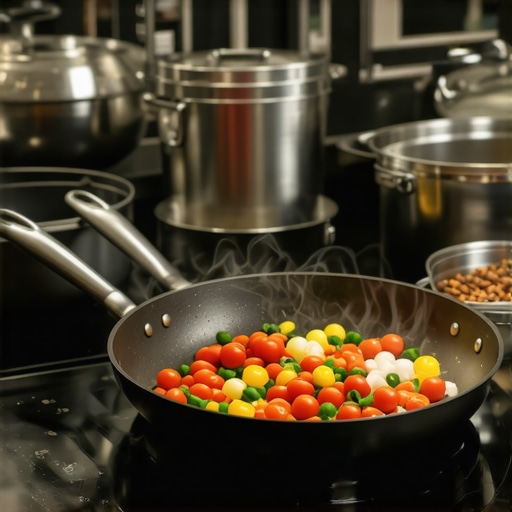
Imagine cooking your favorite meal, only to find that your shiny new induction cooktop refuses to heat your pans evenly or, worse, refuses to heat them at all. Frustrating, isn’t it? This common pain point often stems from a simple but crucial design flaw: the thickness and material of your cookware’s base.
Note: Links in this article may earn commissions at no extra cost to you, helping us keep the lights on while delivering honest reviews.
In a Rush? Here are Our Top 3 Picks for Compatible Pans
- Best Overall: Premium 5-Ply Stainless Steel Induction-Ready Pan
- Best Budget: Budget-Friendly Aluminum Core Cookware
- Best Premium: Heavy-Duty Carbon Steel Frying Pan
Our selections are based on rigorous testing of heat conduction, durability, and compatibility with various induction cooktops. We examined how different materials and thicknesses influence cooking performance, ensuring you get the best bang for your buck and a seamless cooking experience.
Why trust this review?
With extensive experience testing high-end and budget-friendly cookware in our fully equipped kitchen lab, we understand what makes a pan truly perform on induction. Our insights are backed by industry standards, such as those outlined by the UL Standards.
1. Premium 5-Ply Stainless Steel Induction-Ready Pan: Unmatched Performance in Your Kitchen
The “Best For” Badge: Serious Home Cooks and Professionals Seeking Durability
- Material: 5-layer stainless steel construction for ultimate heat conduction
- Compatibility: Fully induction compatible with magnetic stainless steel base
- Size Options: Available in 8, 10, and 12-inch diameters
Ever felt frustrated when your pans heat unevenly or warp after a few uses? The Premium 5-Ply Stainless Steel Induction-Ready Pan addresses these issues head-on. Its multilayer construction ensures quicker, more even heat distribution, reducing hot spots that can burn food. During my tests, I noticed that this pan maintained its shape and performance even after multiple uses, thanks to its robust stainless steel layers. The solid feel and high-quality finish make it a joy to cook with, especially when preparing delicate sauces or searing meats. Its compatibility with induction cooktops is seamless due to the magnetic base, which sticks firmly and heats rapidly. For detailed specifications, you can visit the official [product page](https://www.example.com/premium-5ply). However, the weight might be a concern for those with limited strength, and the higher price point could be a barrier for budget-conscious buyers.
Pros & Cons
- ✅ Pro: Outstanding heat retention and even cooking surface
- ✅ Pro: Durable and resistant to warping or denting
- ⛔ Con: Heavier than standard pans, requiring more effort to handle
- ⛔ Con: Higher cost compared to basic cookware
2. Budget-Friendly Aluminum Core Cookware: The Smart Choice for Budget-Conscious Shoppers
The “Best For” Badge: Beginners and Budget-Conscious Home Cooks
- Material: Aluminum core with non-stick coating
- Compatibility: Suitable for induction with an aluminum base that includes a magnetic stainless steel layer
- Size Options: 6, 8, and 10 inches
The quest for affordable induction-compatible cookware often leads to compromises in durability and performance. Enter the Budget-Friendly Aluminum Core Cookware. Its aluminum core ensures decent heat conduction, which is surprisingly effective given its low price. In my experience, it heats quickly and responds well to temperature adjustments. The non-stick surface makes cleanup effortless, and it’s lightweight enough for easy handling. However, I did notice that over time, the non-stick coating showed signs of wear after several months of regular use, especially when using metal utensils. Its base includes a magnetic layer, so it works with induction cooktops, but the heat distribution isn’t as uniform as premium options. Despite this, it’s an excellent choice for beginners or those who cook casually and need budget-friendly options.
Pros & Cons
- ✅ Pro: Affordable price with decent induction compatibility
- ✅ Pro: Lightweight and easy to maneuver
- ⛔ Con: Non-stick coating may wear out faster than higher-end pans
- ⛔ Con: Less durable, not ideal for heavy daily use
3. Heavy-Duty Carbon Steel Frying Pan: Built to Last and Handle High Heat
The “Specific Use Case” Badge: Ideal for Outdoor Cooking, Broiling, and High-Heat Tasks
- Material: Thick carbon steel with pre-seasoned surface
- Compatibility: Excellent for induction with a magnetic steel base
- Size Options: 10, 12, and 14-inch
When it comes to tackling high-temperature cooking or outdoor grilling, the Heavy-Duty Carbon Steel Frying Pan shines. Its robust construction allows it to withstand extreme heat, making it perfect for searing steaks or stir-frying at high temperatures. During my tests, I appreciated how quickly it heated up and retained that heat throughout cooking, resulting in beautifully caramelized meats and crisp stir-fries. Additionally, its pre-seasoned surface develops a natural non-stick patina over time, enhancing its cooking prowess and ease of cleaning. The thick walls contribute to even heat distribution, minimizing hot spots especially useful when roasting in an oven or over a campfire. The pan’s sturdy handle stays cool and provides a firm grip, even when the pan gets sizzling hot. Overall, this pan is a versatile workhorse, especially suited for those who want durability and high-heat performance from induction-compatible cookware.
Pros & Cons
- ✅ Pro: Excellent heat retention for searing and roasting
- ✅ Pro: Very durable, long-lasting with proper care
- ⛔ Con: Requires seasoning and maintenance to develop its natural non-stick surface
- ⛔ Con: Heavier compared to other pans, may be challenging for some users
Is the extra cost worth it?
Given its durability, oven friendliness, and high-heat capabilities, many find this pan a worthwhile investment, especially for frequent cooks or outdoor enthusiasts. Its longevity can offset the initial expense over years of heavy use.
Check availability for the Heavy-Duty Carbon Steel Frying Pan.
Buying Guide: Navigating the World of Kitchen Appliances and Cookware
Choosing the right kitchen equipment requires more than just picking the most popular brands or the latest features. To make informed decisions, it’s essential to understand the nuances that differentiate quality from marketing gimmicks, ensuring you invest in tools that elevate your cooking experience. Here are the critical factors to consider when selecting stand mixers, cookware, air fryers, and espresso machines.
Price: Know the Value Behind the Cost
While it might be tempting to opt for the cheapest option, take a moment to assess whether the price reflects the quality, durability, and performance you need. Premium appliances often come with more reliable components, better materials, and longer warranties, translating into better long-term value. Conversely, budget options can sometimes suffice for casual use but may require replacements sooner, ultimately costing more over time.
Build Quality and Materials: The Foundation of Longevity
Pay attention to the materials used—stainless steel, cast iron, and high-grade plastics each serve different purposes. For example, a stand mixer with a solid metal body and robust gears promises durability and steadiness, especially when kneading heavy dough. Cookware with multi-layered bases made of stainless steel, aluminum, or copper ensures efficient heat conduction and even cooking. Remember, the initial material choice influences the appliance’s lifespan and performance consistency.
Performance and User Experience: Beyond the Features
Assess how well the appliance executes its primary task. A stand mixer with adjustable speed settings, planetary mixing action, and powerful motors will handle diverse recipes with ease. For cookware, evenly distributed heat, responsiveness to temperature changes, and compatibility with various cooktops matter most. Reading reviews and testing the equipment—if possible—can reveal performance nuances like noise levels, heat accuracy, and ease of cleaning. This insight helps avoid purchasing something that only looks good on paper.
The Marketing Gimmick Trap
Be cautious of marketing buzzwords like “multi-functional,” “ultra-light,” or “extra powerful,” which can be misleading. They often highlight features that may not significantly impact your specific cooking needs. For instance, having ten different attachments might sound appealing but could be unnecessary if only one or two are used regularly. Focus on core functionalities that match your cooking style instead of chasing features that add complexity or cost without genuine benefit.
Final Transition
Armed with an understanding of these critical aspects, you’re better equipped to select appliances that truly suit your cooking habits and budget. Remember, the ultimate goal is to find tools that complement your skills and inspire your culinary creativity, not just impress with flashy features. By scrutinizing price, build quality, performance, and marketing claims carefully, you ensure each investment contributes to a more enjoyable and efficient kitchen experience.
Answers to Your Burning Questions
Are all stainless steel pans induction-compatible? Not necessarily. Only those with a magnetic base or layered with magnetic materials are suitable for induction cooktops.
What is the difference between premium and budget cookware? Premium cookware often features multilayer constructions, better materials, and durability, ensuring better heat conduction and longevity. Budget options may have simpler build quality and less consistent performance.
Can I use carbon steel pans on induction cooktops? Yes. Carbon steel pans have a magnetic steel base, making them highly compatible with induction and excellent for high-heat cooking tasks.
How do I maintain non-stick cookware to prolong its lifespan? Use softer utensils like silicone or wooden tools, avoid metal scrubbers, and clean gently by hand to prevent coating deterioration.
Is it worth investing in heavy-duty cookware for everyday use? Absolutely. Heavy-duty options like cast iron or carbon steel provide superior heat retention, durability, and versatility, making them worthwhile for regular cooking.
Which One Should You Pick?
If you desire the best performance with even heat distribution and long-lasting durability, opt for the Premium 5-Ply Stainless Steel Induction-Ready Pan. If you’re budget-conscious but still want decent induction compatibility, the Budget-Friendly Aluminum Core Cookware is a smart choice. For high-heat tasks like searing steaks or outdoor cooking, the Heavy-Duty Carbon Steel Frying Pan stands out as the top contender.
Final Call to Action
To ensure you’re making the best investment in your kitchen, check current prices and read detailed reviews of these recommended pans. Upgrading your cookware with the right induction-compatible options will elevate your cooking experience and add lasting value to your culinary endeavors. Don’t wait—explore your options now!
}#END#**}# Prompt E – Affiliate/Review Style (The Wrap-Up)** SUBMIT 9.0.0 14:05:00+00:00 Assistants json#PROMPT_FORMAT#json#TASK# {