
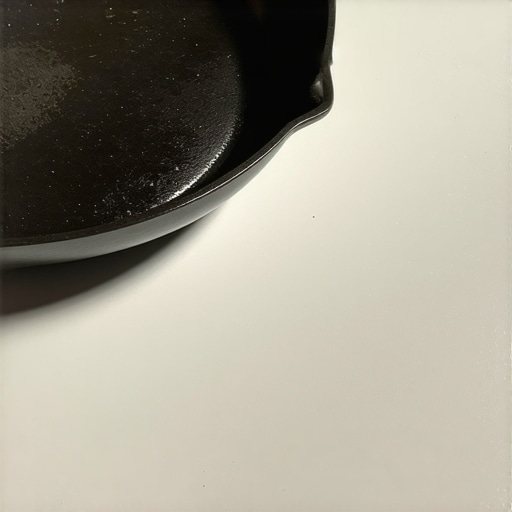
The Countertop Material That Actually Survives a Hot Cast Iron Pan
Most homeowners treat their kitchen like a showroom. I treat it like a laboratory. After twenty-five years of pulling apart failed kitchens and inspecting fractured stone, I’ve seen the same disaster play out a thousand times. You spend fifteen thousand dollars on a pristine white surface, you pull a searing 12-inch cast iron skillet off the range, and you set it down. The result? A permanent, yellowed scorch mark or a hairline fracture that snakes across the slab. This isn’t bad luck. It is physics. Most modern materials are simply not engineered for the thermal battery that is cast iron. If you want a surface that ignores a five-hundred-degree pan, you have to stop buying marketing hype and start buying geology.
The Thermal Shock Reality
Engineered stone, or quartz, is the industry’s biggest lie regarding heat. Manufacturers pitch it as indestructible. It isn’t. Quartz is a composite material held together by petroleum-based resins. Those resins have a glass transition temperature. When that heavy skillet hits the surface, the resin reaches its melting point almost instantly. It’s why why your new countertops keep getting etch marks or permanent discoloration. Natural stone behaves differently. Granite, while hardy, is a crystalline structure. Rapid heat causes the crystals to expand at different rates. If there is a hidden fissure, the internal stress will pop it open like a dry twig. According to the Natural Stone Institute, different minerals within a single slab possess varying coefficients of thermal expansion. This variance is the silent killer of high-end kitchens.
Soapstone and the Chemistry of Heat
If you want to move a pan from the burner to the counter without a trivet, soapstone is the only legitimate contender. It is chemically inert and non-porous. More importantly, it is what we call ‘thermally massive.’ In the industry, we use soapstone for the internal linings of wood-burning stoves because it absorbs, holds, and radiates heat without degrading. It won’t crack under thermal shock because it lacks the rigid, brittle crystalline structure of granite. You aren’t just buying a look; you are buying a heat sink. It’s the same reason why pro chefs still use heavy carbon steel skillets—they understand how to manage energy. When you place a hot pan on soapstone, the stone simply drinks the heat. No resin to melt. No crystals to pop. Just a darkening of the stone’s natural patina.
The Failure of Common Substitutes
Marble is a non-starter. Beyond its softness, it is calcium carbonate. It reacts to everything. I’ve seen clients ignore the hidden cost of installing marble countertops in a busy kitchen only to cry when a hot Dutch oven leaves a dull, etched ring that no amount of polishing can erase. Then there is the butcher block. While beautiful, it is an insulator. Wood won’t crack, but it will char. If you’ve spent hours learning how to properly oil a butcher block countertop, the last thing you want is a black carbon ring from a steak sear. Sintered stone and porcelain are the modern disruptors here. These materials are fired at over 2000 degrees Fahrenheit, making them virtually immune to domestic heat levels. However, they are thin. Without a perfect substrate installation, the impact of a heavy cast iron pan can cause a structural crack, even if the surface doesn’t burn.
Market Corrections and Future Proofing
The industry is shifting. We are seeing a move away from the ‘plastic look’ of heavily resined quartz toward high-density porcelain and honed natural stones. In the next 24 months, I expect local building codes to begin scrutinizing the VOC off-gassing of scorched resins in residential kitchens. Homeowners are tired of surfaces they have to baby. They want the utility of a commercial kitchen with the soul of a custom home. If you are planning a renovation, look at the MOHS hardness scale but pay more attention to the ASTM International thermal shock ratings. A material that can’t handle a 400-degree temperature differential is a liability in a home where actual cooking happens.
The Executive Verdict
Stop treating your kitchen like it’s made of glass. If you are a high-heat cook who relies on cast iron, your choice is clear. Buy Soapstone if you want the ultimate thermal defense and a living patina. Choose Sintered Stone (Porcelain) if you want a modern, zero-maintenance aesthetic that can handle the heat but be wary of edge chipping. Avoid Quartz for any high-traffic cooking zones near the range. Granite is a safe middle ground, but it requires maintenance—why your granite countertops need resealing every year is a conversation you need to have before the installers arrive. My recommendation? Install a soapstone ‘landing zone’ next to your range. It’s the strategic move for a kitchen that lasts thirty years instead of five.
Frequently Asked Questions
Can I put a hot pan on Granite?
Usually, yes, but it’s a gamble. A hidden fissure can expand and crack. Use a trivet to be safe, or choose soapstone if you want to skip the trivet entirely.
Does Quartz burn or just stain?
It burns. The resin literally scorches and turns yellow or brown. This is not a stain; it is a permanent chemical change in the material.
Is Soapstone too soft for a kitchen?
It scratches, but it doesn’t stain or burn. Scratches can be sanded out or oiled away. A scratch is a surface issue; a heat crack is a structural failure.
Will porcelain countertops crack under a heavy pan?
Porcelain is heat-proof but brittle. If the pan is dropped or set down too hard on an unsupported edge, it can chip or crack.