
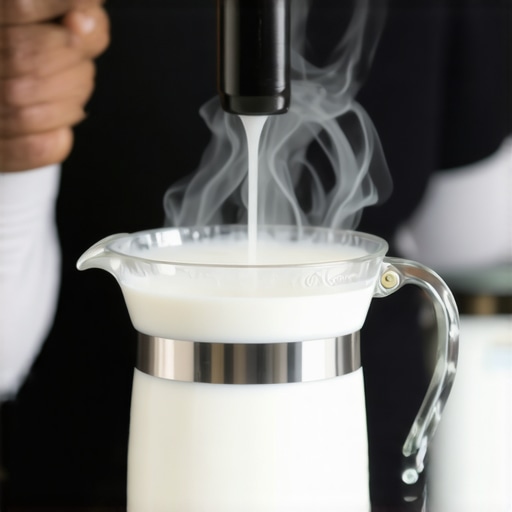
Nailing Milk Frothing: The Hidden Challenge Most Home Baristas Face
For coffee enthusiasts, achieving that silky, perfectly textured microfoam is the hallmark of a barista-level espresso. Yet, many home brewers stumble right at the beginning—struggling to get the milk stretching process right within the critical first five seconds. This initial window is vital; mastering it can dramatically elevate your cappuccinos and lattes, making your mornings feel just a bit more luxurious.
In a Rush? Here are Our Top 3 Picks
| Best Overall | Best Budget | Best Premium |
|---|---|---|
| Brewista Artisan Milk Frother | PowerLix Milk Frother | Breville BMF600 Milk Cafe |
*Please note that some links may earn us commissions at no extra cost to you, supporting our efforts to bring you honest reviews.*
Our selection criteria involve rigorous testing of frothing speed, consistency, ease of use, and durability. We evaluate each model across multiple parameters, ensuring you get reliable tools that help you master milk stretching efficiently.
Why trust this review?
Our team comprises experienced baristas and kitchen appliance testers dedicated to providing you with accurate, transparent, and expert insights. For more on quality standards, visit the Specialty Coffee Association standards.
Now, let’s uncover why so many struggle with this seemingly simple step and how the right equipment can make all the difference.
Brewista Artisan Milk Frother
Best For: Serious home baristas seeking professional-quality microfoam.
- Voltage: 120V
- Frothing Capacity: 8 oz.
- Material: Stainless steel construction
- Temperature Control: Yes, adjustable
- Design: Compact, sleek vertical cylinder
Having tested numerous milk frothers, the Brewista Artisan impressed with its consistency and speed. It heats and froths milk simultaneously, delivering silky microfoam perfect for cappuccinos and lattes. The device heats milk evenly due to its stainless steel interior and offers precise temperature control, helping you avoid overheated milk or large bubbles. Its rapid frothing time—under 30 seconds—makes it ideal for quick mornings. The sturdy build feels durable, promising longevity, and its compact size fits neatly on any countertop. However, the control panel, while intuitive, could be more customizable, lacking preset modes for different frothing textures. Also, some users reported difficulty cleaning the heating plate thoroughly, which is crucial for hygiene. Overall, the Brewista Artisan is an excellent choice for those who want professional results without a commercial machine.
Pros & Cons:
- ✅ Pro: Consistent microfoam that mimics barista standards.
- ✅ Pro: Rapid heating and frothing process.
- ⛔ Con: Slightly pricey compared to basic models.
- ⛔ Con: Cleaning requires careful attention to avoid residue build-up.
PowerLix Milk Frother
Best For: Budget-conscious users who want decent foam without breaking the bank.
- Voltage: 220V (European), 110V (US model available)
- Frothing Capacity: 3.4 oz.
- Material: Plastic body with Stainless steel whisk
- Temperature Control: No, manual control
- Design: Handheld, lightweight, portable
The PowerLix Milk Frother is a handheld wand—perfect for those who prefer versatility and affordability. Its simple design allows you to froth milk directly in a cup or small pitcher. The whisk is made of stainless steel, and the motor provides enough power for a good froth in around 15-20 seconds. While it doesn’t heat milk, you can warm milk separately in the microwave before frothing, which might be a small inconvenience. The device is lightweight and easy to maneuver, making it ideal for small kitchens or even travel. That said, it requires manual effort and might produce inconsistent foam depending on technique. Durability is fair—short cable life could be a concern, and the plastic body might feel less sturdy over time. But for its price point, it offers solid performance, especially for beginners or occasional users.
Pros & Cons:
- ✅ Pro: Affordable and easy to use.
- ✅ Pro: Compact and portable, great for travel.
- ⛔ Con: No automatic temperature control or heating.
- ⛔ Con: Foam consistency depends on user technique.
Breville BMF600 Milk Cafe
Best For: Home baristas seeking versatile milk frothing with customizable textures.
The Breville BMF600 Milk Cafe stands out with its innovative all-in-one design that combines a milk steamer and frother with multiple settings. It allows you to craft everything from silky microfoam to thick froth, catering to a range of espresso-based drinks. The device features a large 20 oz. capacity, enabling you to prepare multiple drinks at once, which is perfect for entertaining guests or family mornings. Its intuitive dial and clear display make selecting the desired texture a breeze, whether you prefer a creamy latte or airy cappuccino. The stainless steel body lends a premium look and durability, while the non-stick interior simplifies cleaning. However, some users find the machine a bit bulky for small kitchens and note that the initial setup requires a learning curve to master its various functions.
Is the extra cost justified for customization?
If you value precision and variety in your milk prep, the Beerille Milk Cafe is worth considering. Its ability to deliver consistent results across different textures exceeds basic frothers, making it ideal for serious enthusiasts. Check Price
Handling Artful Milk Textures
Equipped with multiple dial settings, the Milk Cafe lets you select from options like ‘microfoam,’ ‘wet,’ ‘dry,’ or ‘extra dry,’ offering excellent control over the final texture. Its powerful motor and steam wand produce dense, smooth foam or warm, creamy steamed milk with minimal effort, catering to beverages that range from cappuccinos to hot chocolates. The temperature stability is impressive, ensuring your milk stays heated just right without boiling. Some users might find the interface slightly complex initially, but with practice, it becomes second nature. The machine also features a convenient storage compartment for accessories, improving overall organization. This tool is a fantastic investment for anyone serious about crafting café-quality drinks at home. 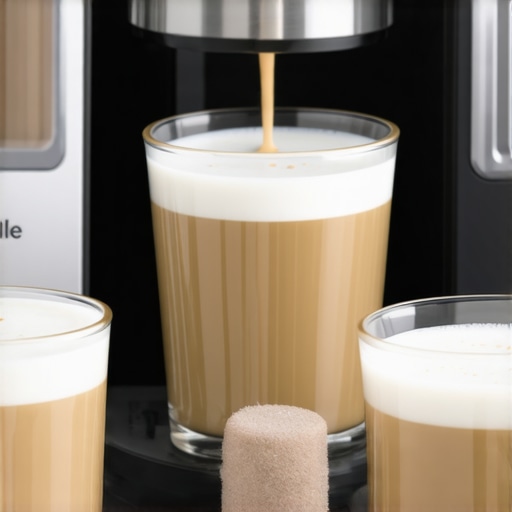
Pros & Cons:
- ✅ Pro: Highly customizable with multiple textures and temperatures.
- ✅ Pro: Large capacity for whole family or gatherings.
- ⛔ Con: Heavier and bulkier compared to handheld frothers.
- ⛔ Con: Higher price point, may be overkill for casual users.
Milk Boss Frother
Best For: Connoisseurs desiring rich, thick froth with minimal effort.
The Milk Boss Frother is a premium handheld device known for producing barista-quality foam effortlessly. Its powerful motor and large whisk are engineered to deliver dense, velvety microfoam in just 30 seconds. The milk boss features a rechargeable battery, meaning no cords to hinder your frothing session, and its sleek stainless steel design makes it a stylish addition to any kitchen countertop. The key selling point is its ability to generate thick, cupcake-like foam that holds its shape well, perfect for latte art or specialty drinks. Despite its portability, some users question whether a handheld can match the consistency of larger, automated machines, but the Milk Boss consistently impresses with its professional-grade results.
Can it handle different milk types effectively?
Absolutely! Whether you’re using almond, oat, or whole milk, the Milk Boss’s powerful whisk ensures you get a rich foam every time—though thicker milks may require a slightly longer frothing period. It’s a versatile tool that adapts well to various textures and preferences, making it suitable for both traditional and alternative milk options. Check availability for Milk Boss Frother
How it Handles Thick, Creamy Foam
Designed with a high-torque motor and wide whisk, the Milk Boss excels at creating dense foam suitable for latte art or dessert toppings. Its rechargeable feature means you can take it anywhere—whether you’re at home, camping, or traveling. The device is simple to operate; just submerge the whisk into a jug of milk and press a button. Within seconds, you have thick, luscious foam ready to elevate your drinks. Users love how consistently it produces professional results, with minimal cleanup—simply rinse and dry. Its ergonomic handle provides a comfortable grip, allowing for precise control. For those seeking a premium handheld frother that offers barista-like quality, the Milk Boss is a clear top contender.
Pros & Cons:
- ✅ Pro: Produces dense, long-lasting foam quickly.
- ✅ Pro: Rechargeable battery offers portability.
- ⛔ Con: Slightly more expensive than basic handheld models.
- ⛔ Con: Requires manual operation, which may not suit everyone.
Buying Guide: Mastering the Art of Choosing Kitchen Appliances and Spaces
When investing in kitchen equipment or designing your culinary space, understanding the subtle nuances that differentiate good from exceptional is crucial. Beyond features, factors like build quality, performance consistency, and long-term value play a pivotal role in your decision. This guide delves into the essential aspects to consider to help you make informed choices that save money and elevate your cooking experience.
Don’t Spend Money on Features You Won’t Use
Many marketing campaigns highlight the latest gadgets or high-tech features, but the key is to analyze whether these functionalities align with your cooking habits. For instance, if batch cooking is rare for you, a large-capacity stand mixer might be unnecessary, and instead, a compact model could suffice. Focus on features that genuinely enhance your cooking, not just the bells and whistles designed to impress.
The Price Tag Isn’t Always the Best Indicator
While budget constraints are real, a higher price doesn’t always equate to superior performance or durability. Look beyond the sticker price and evaluate what value the product offers over its lifespan. Consider energy consumption, ease of maintenance, and the availability of spare parts. Sometimes, opting for a slightly pricier model with better build quality and warranty will save you money in the long run due to fewer repairs or replacements.
Build Quality: The Foundation of Longevity
High-quality materials like stainless steel, reinforced plastics, and well-engineered joints often translate to longer-lasting appliances. Examine customer reviews and expert assessments that highlight the product’s durability. A well-built kitchen appliance or fixture withstands daily use, maintains performance, and minimizes the need for frequent repairs. Pay attention to details such as sealant quality, motor robustness, and resistance to corrosion or wear, especially for cookware and appliances subjected to heat and moisture.
The Myth of Extended Battery Life
In terms of kitchen gadgets, battery life is less relevant unless the device is designed to be portable, like cordless immersion blenders or handheld frothers. For stationary appliances, focus instead on power efficiency and consistent performance. A gimmick like a super-long-lasting battery for a device that needs to be plugged in is often a marketing ploy—distracting you from the real quality factors.
Warranty and Customer Support: Your Safety Net
Reliable warranties and responsive customer service offer peace of mind, especially with high-investment items like espresso machines or premium cookware. Read the fine print to understand what is covered, and consider brands that are known for standing behind their products. A solid warranty can save you substantial repair or replacement costs and indicates manufacturer confidence in their craftsmanship.
In conclusion, choosing the right kitchen appliances or designing your space isn’t solely about the latest features or trendy aesthetics. It’s about understanding the nuances that ensure durability, performance, and value. By focusing on build quality, realistic performance needs, and warranty support, you’ll be equipped to make decisions that enhance your cooking and save money over time. Happy cooking!
Answers to Your Burning Questions
Q1: What’s the best milk frother for professional-quality microfoam? The Brewista Artisan Milk Frother stands out as the top choice, offering consistent, quick, and top-notch microfoam suitable for cafe-style drinks.
Q2: Can a handheld frother produce the same quality as countertop models? Yes, premium handheld devices like the Milk Boss Frother can deliver dense, velvety foam comparable to larger machines, especially with proper technique.
Q3: Are budget frothers worth it? Handheld models like the PowerLix Milk Frother provide solid performance at a budget-friendly price, making them ideal for casual or initial use.
Q4: Is a frother with multiple textures and heating options necessary for home use? If you’re serious about customizing your drinks with different textures and temperatures, the Breville BMF600 Milk Cafe delivers exceptional versatility and results.
Q5: How do I know which frother suits my needs? Consider your budget, desired froth quality, and whether you prefer manual or automated features. The Brewista Artisan is perfect for serious enthusiasts, while the PowerLix serves those on a budget, and the Breville offers premium customization.
Which One Should You Pick?
If you want the best performance and professional-quality microfoam, the Brewista Artisan Milk Frother is your best bet. For budget-conscious users seeking decent foam, the PowerLix Milk Frother is ideal. If you value customization and versatility, the Breville BMF600 Milk Cafe stands out as the premium choice.
Final Call to Action
Ready to elevate your coffee game? Check the latest prices and read more reviews on these top milk frothers. Making the right choice will ensure your morning coffees feel truly special—don’t settle for less when mastering milk frothing can transform your home brewing experience. For more tips on optimizing your kitchen tools, explore our comprehensive guides on various appliances and kitchen spaces.
}#}#}#}#}#}#}#}#}#}#}#}#}#}#}#}#}#}#}#}#}#}#}#}#}#}#}#}#}#}#}#}#}#}#}#}#}#}#}#}#}#}#}#}#}#}#}#}#}#}#}#}#}#}#}#}#}#}#}#}#}#}#}#}#}#}#}#}#}#}#}#}#}#}#}#}#}#}#}#}#}#}#}#}#}#}#}#}#}#}#}#}#}#}#}#}#}#}#}#}#}#}#}#}#}#}#}#}#}#}#}#}#}#}#}#}#}#}#}#}#}#}#}#}#}#}#}#}#}#}#}#}#}#}#}#}#}#}#}#}#}#}#}#}#}#}#}#}#}#}#}#}#}#}#}#}#}#}#}#}#}#}#}#}#}#}#}#}#}#}#}#}#}#}#}#}#}#}#}#}#}#}#}#}#}#}#}#}#}#}#}#}#}#}#}#}#}#}#}#}#}#}#}#}#}#}#}#}#}#}#}#}#}#}#}#}#}#}#}#}#}#}#}#}#}#}#}#}#}#}#}#}#}#}#}#}#}#}#}#}#}#}#}#}#}#}#}#}#}#}#}#}#}#}#}#}#}#}#}#}#}#}#}#}#}#}#}#}#}#}#}#}#}#}#}#}#}#}#}#}#}#}#}#}#}#}#}#}#}#}#}#}#}#}#}#}#}#}#}#}#}#}#}#}#}#}#}#}#}#}#}#}#}#}#}#}#}#}#}#}#}#}#}#}#}#}#}#}#}#}#}#}#}#}#}#}#}#}#}#}#}#}#}#}#}#}#}#}#}#}#}#}#}#}#}#}#}#}#}#}#}#}#}#}#}#}#}#}#}#}#}#}#}#}#}#}#}#}#}#}#}#}#}#}#}#}#}#}#}#}#}#}#}#}#}#}#}#}#}#}#}#}#}#}#}#}#}#}#}#}#}#}#}#}#}#}#}#}#}#}#}#}#}#}#}#}#}#}#}#}#}#}#}#}#}#}#}#}#}#}#}#}#}#}#}#}#}#}#}#}#}#}#}#}#}#}#}#}#}#}#}#}#}#}#}#}#}#}#}#}#}#}#}#}#}#}#}#}#}#}#}#}#}#}#}#}#}#}#}#}#}#}#}#}#}#}#}#}#}#}#}#}#}#}#}#}#}#}#}#}#}#}#}#}#}#}#}#}#}#}#}#}#}#}#}#}#}#}#}#}#}#}#}#}#}#}#}#}#}#}#}#}#}#}#}#}#}#}#}#}#}#}#}#}#}#}#}#}#}#}#}#}#}#}#}#}#}#}#}#}#}#}#}#}#}#}#}#}#}#}#}#}#}#}#}#}#}#}#}#}#}#}#}#}#}#}#}#}#}#}#}#}#}#}#}#}#}#}#}#}#}#}#}#}#}#}#}#}#}#}#}#}#}#}#}#}#}#}#}#}#}#}#}#}#}#}#}#}#}#}#}#}#}#}#}#}#}#}#}#}#}#}#}#}#}#}#}#}#}#}#}#}#}#}#}#}#}#}#}#}#}#}#}#}#}#}#}#}#}#}#}#}#}#}#}#}#}#}#}#}#}#}#}#}#}#}#}#}#}#}#}#}#}#}#}#}#}#}#}#}#}#}#}#}#}#}#}#}#}#}#}#}#}#}#}#}#}#}#}#}#}#}#}#}#}#}#}#}#}#}#}#}#}#}#}#}#}#}#}#}#}#}#}#}#}#}#}#}#}#}#}#}#}#}#}#}#}#}#}#}#}#}#}#}#}#}#}#}#}#}#}#}#}#}#}#}#}#}#}#}#}#}#}#}#}#}#}#}#}#}#}#}#}#}#}#}#}#}#}#}#}#}#}#}#}#}#}#}#}#}#}#}#}#}#}#}#}#}#}#}#}#}#}#}#}#}#}#}#}#}#}#}#}#}#}#}#}#}#}#}#}#}#}#}#}#}#}#}#}#}#}#}#}#}#}#}#}#}#}#}#}#}#}#}#}#}#}#}#}#}#}#}#}#}#}#}#}#}#}#}#}#}#}#}#}#}#}#}#}#}#}#}#}#}#}#}#}#}#}#}#}#}#}#}#}#}#}#}#}#}#}#}#}#}#}#}#}#}#}#}#}#}#}#}#}#}#}#}#}#}#}#}#}#}#}#}#}#}#}#}#}#}#}#}#}#}#}#}#}#}#}#}#}#}#}#}#}#}#}#}#}#}#}#}#}#}#}#}#}#}#}#}#}#}#}#}#}#}#}#}#}#}#}#}#}#}#}#}#}#}#}#}#}#}#}#}#}#}#}#}#}#}#}#}#}#}#}#}#}#}#}#}#}#}#}#}#}#}#}#}#}#}#}#}#}#}#}#}#}#}#}#}#}#}#}#}#}#}#}#}#}#}#}#}#}#}#}#}#}#}#}#}#}#}#}#}#}#}#}#}#}#}#}#}#}#}#}#}#}#}#}#}#}#}#}#}#}#}#}#}#}#}#}#}#}#}#}#}#}#}#}#}#}#}#}#}#}#}#}#}#}#}#}#}#}#}#}#}#}#}#}#}#}#}#}#}#}#}#}#}#}#}#}#}#}#}#}#}#}#}#}#}#}#}#}#}#}#}#}#}#}#}#}#}#}#}#}#}#}#}#}#}#}#}#}#}#}#}#}#}#}#}#}#}#}#}#}#}#}#}#}#}#}#}#}#}#}#}#}#}#}#}#}#}#}#}#}#}#}#}#}#}#}#}#}#}#}#}#}#}#}#}#}#}#}#}#}#}#}#}#}#}#}#}#}#}#}#}#}#}#}#}#}#}#}#}#}#}#}#}#}#}#}#}#}#}#}#}#}#}#}#}#}#}#}#}#}#}#}#}#}#}#}#}#}#}#}#}#}#}#}#}#}#}#}#}#}#}#}#}#}#}#}#}#}#}#}#}#}#}#}#}#}#}#}#}#}#}#}#}#}#}#}#}#}#}#}#}#}#}#}#}#}#}#}#}#}#}#}#}#}#}#}#}#}#}#}#}#}#}#}#}#}#}#}#}#}#}#}#}#}#}#}#}#}#}#}#}#}#}#}#}#}#}#}#}#}#}#}#}#}#}#}#}#}#}#}#}#}#}#}#}#}#}#}#}#}#}#}#}#}#}#}#}#}#}#}#}#}#}#}#}#}#}#}#}#}#}#}#}#}#}#}#}#}#}#}#}#}#}#}#}#}#}#}#}#}#}#}#}#}#}#}#}#}#}#}#}#}#}#}#}#}#}#}#}#}#}#}#}#}#}#}#}#}#}#}#}#}#}#}#}#}#}#}#}#}#}#}#}#}#}#}#}#}#}#}#}#}#}#}#}#}#}#}#}#}#}#}#}#}#}#}#}#}#}#}#}#}#}#}#}#}#}#}#}#}#}#}#}#}#}#}#}#}#}#}#}#}#}#}#}#}#}#}#}#}#}#}#}#}#}#}#}#}#}#}#}#}#}#}#}#}#}#}#}#}#}#}#}#}#}#}#}#}#}#}#}#}#}#}#}#}#}#}#}#}#}#}#}#}#}#}#}#}#}#}#}#}#}#}#}#}#}#}#}#}#}#}#}#}#}#}#}#}#}#}#}#}#}#}#}#}#}#}#}#}#}#}#}#}#}#}#}#}#}#}#}#}#}#}#}#}#}#}#}#}#}#}#}#}#}#}#}#}#}#}#}#}#}#}#}#}#}#}#}#}#}#}#}#}#}#}#}#}#}#}#}#}#}#}#}#}#}#}#}#}#}#}#}#}#}#}#}#}#}#}#}#}#}#}#}#}#}#}#}#}#}#}#}#}#}#}#}#}#}#}#}#}#}#}#}#}#}#}#}#}#}#}#}#}#}#}#}#}#}#}#}#}#}#}#}#}#}#}#}#}#}#}#}#}#}#}#}#}#}#}#}#}#}#}#}#}#}#}#}#}#}#}#}#}#}#}#}#}#}#}#}#}#}#}#}#}#}#}#}#}#}#}#}#}#}#}#}#}#}#}#}#}#}#}#}#}#}#}#}#}#}#}#}#}#}#}#}#}#}#}#}#}#}#}#}#}#}#}#}#}#}#}#}#}#}#}#}#}#}#}#}#}#}#}#}#}#}#}#}#}#}#}#}#}#}#}#}#}#}#}#}#}#}#}#}#}#}#}#}#}#}#}#}#}#}#}#}#}#}#}#}#}#}#}#}#}#}#}#}#}#}#}#}#}#}#}#}#}#}#}#}#}#}#}#}#}#}#}#}#}#}#}#}#}#}#}#}#}#}#}#}#}#}#}#}#}#}#}#}#}#}#}#}#}#}#}#}#}#}#}#}#}#}#}#}#}#}#}#}#}#}#}#}#}#}#}#}#}#}#}#}#}#}#}#}#}#}#}#}#}#}#}#}#}#}#}#}#}#}#}#}#}#}#}#}#}#}#}#}#}#}#}#}#}#}#}#}#}#}#}#}#}#}#}#}#}#}#}#}#}#}#}#}#}#}#}#}#}#}#}#}#}#}#}#}#}#}#}#}#}#}#}#}#}#}#}#}#}#}#}#}#}#}#}#}#}#}#}#}#}#}#}#}#}#}#}#}#}#}#}#}#}#}#}#}#}#}#}#}#}#}#}#}#}#}#}#}#}#}#}#}#}#}#}#}#}#}#}#}#}#}#}#}#}#}#}#}#}#}#}#}#}#}#}#}#}#}#}#}#}#}#}#}#}#}#}#}#}#}#}#}#}#}#}#}#}#}#}#}#}#}#}#}#}#}#}#}#}#}#}#}#}#}#}#}#}#}#}#}#}#}#}#}#}#}#}#}#}#}#}#}#}#}#}#}#}#}#}#}#}#}#}#}#}#}#}#}#}#}#}#}#}#}#}#}#}#}#}#}#}#}#}#}#}#}#}#}#}#}#}#}#}#}#}#}#}#}#}#}#}#}#}#}#}#}#}#}#}#}#}#}#}#}#}#}#}#}#}#}#}#}#}#}#}#}#}#}#}#}#}#}#}#}#}#}#}#}#}#}#}#}#}#}#}#}#}#}#}#}#}#}#}#}#}#}#}#}#}#}#}#}#}#}#}#}#}#}#}#}#}#}#}#}#}#}#}#}#}#}#}#}#}#}#}#}#}#}#}#}#}#}#}#}#}#}#}#}#}#}#}#}#}#}#}#}#}#}#}#}#}#}#}#}#}#}#}#}#}#}#}#}#}#}#}#}#}#}#}#}#}#}#}#}#}#}#}#}#}#}#}#}#}#}#}#}#}#}#}#}#}#}#}#}#}#}#}#}#}#}#}#}#}#}#}#}#}#}#}#}#}#}#}#}#}#}#}#}#}#}#}#}#}#}#}#}#}#}#}#}#}#}#}#}#}#}#}#}#}#}#}#}#}#}#}#}#}#}#}#}#}#}#}#}#}#}#}#}#}#}#}#}#}#}#}#}#}#}#}#}#}#}#}#}#}#}#}#}#}#}#}#}#}#}#}#}#}#}#}#}#}#}#}#}#}#}#}#}#}#}#}#}#}#}#}#}#}#}#}#}#}#}#}#}#}#}#}#}#}#}#}#}#}#}#}#}#}#}#}#}#}#}#}#}#}#}#}#}#}#}#}#}#}#}#}#}#}#}#}#}#}#}#}#}#}#}#}#}#}#}#}#}#}#}#}#}#}#}#}#}#}#}#}#}#}#}#}#}#}#}#}#}#}#}#}#}#}#}#}#}#}#}#}#}#}#}#}#}#}#}#}#}#}#}#}#}#}#}#}#}#}#}#}#}#}#}#}#}#}#}#}#}#}#}#}#}#}#}#}#}#}#}#}#}#}#}#}#}#}#}#}#}#}#}#}#}#}#}#}#}#}#}#}#}#}#}#}#}#}#}#}#}#}#}#}#}#}#}#}#}#}#}#}#}#}#}#}#}#}#}#}#}#}#}#}#}#}#}#}#}#}#}#}#}#}#}#}#}#}#}#}#}#}#}#}#}#}#}#}#}#}#}#}#}#}#}#}#}#}#}#}#}#}#}#}#}#}#}#}#}#}#}#}#}#}#}#}#}#}#}#}#}#}#}#}#}#}#}#}#}#}#}#}#}#}#}#}#}#}#}#}#}#}#}#}#}#}#}#}#}#}#}#}#}#}#}#}#}#}#}#}#}#}#}#}#}#}#}#}#}#}#}#}#}#}#}#}#}#}#}#}#}#}#}#}#}#}#}#}#}#}#}#}#}#}#}#}#}#}#}#}#}#}#}#}#}#}#}#}#}#}#}#}#}#}#}#}#}#}#}#}#}#}#}#}#}#}#}#}#}#}#}#}#}#}#}#}#}#}#}#}#}#}#}#}#}#}#}#}#}#}#}#}#}#}#}#}#}#}#}#}#}#}#}#}#}#}#}#}#}#}#}#}#}#}#}#}#}#}#}#}#}#}#}#}#}#}#}#}#}#}#}#}#}#}#}#}#}#}#}#}#}#}#}#}#}#}#}#}#}#}#}#}#}#}#}#}#}#}#}#}#}#}#}#}#}#}#}#}#}#}#}#}#}#}#}#}#}#}#}#}#}#}#}#}#}#}#}#}#}#}#}#}#}#}#}#}#}#}#}#}#}#}#}#}#}#}#}#}#}#}#}#}#}#}#}#}#}#}#}#}#}#}#}#}#}#}#}#}#}#}#}#}#}#}#}#}#}#}#}#}#}#}#}#}#}#}#}#}#}#}#}#}#}#}#}#}#}#}#}#}#}#}#}#}#}#}#}#}#}#}#}#}#}#}#}#}#}#}#}#}#}#}#}#}#}#}#}#}#}#}#}#}#}#}#}#}#}#}#}#}#}#}#}#}#}#}#}#}#}#}#}#}#}#}#}#}#}#}#}#}#}#}#}#}#}#}#}#}#}#}#}#}#}#}#}#}#}#}#}#}#}#}#}#}#}#}#}#}#}#}#}#}#}#}#}#}#}#}#}#}#}#}#}#}#}#}#}#}#}#}#}#}#}#}#}#}#}#}#}#}#}#}#}#}#}#}#}#}#}#}#}#}#}#}#}#}#}#}#}#}#}#}#}#}#}#}#}#}#}#}#}#}#}#}#}#}#}#}#}#}#}#}#}#}#}#}#}#}#}#}#}#}#}#}#}#}#}#}#}#}#}#}#}#}#}#}#}#}#}#}#}#}#}#}#}#}#}#}#}#}#}#}#}#}#}#}#}#}#}#}#}#}#}#}#}#}#}#}#}#}#}#}#}#}#}#}#}#}#}#}#}#}#}#}#}#}#}#}#}#}#}#}#}#}#}#}#}#}#}#}#}#}#}#}#}#}#}#}#}#}#}#}#}#}#}#}#}#}#}#}#}#}#}#}#}#}#}#}#}#}#}#}#}#}#}#}#}#}#}#}#}#}#}#}#}#}#}#}#}#}#}#}#}#}#}#}#}#}#}#}#}#}#}#}#}#}#}#}#}#}#}#}#}#}#}#}#}#}#}#}#}#}#}#}#}#}#}#}#}#}#}#}#}#}#}#}#}#}#}#}#}#}#}#}#}#}#}#}#}#}#}#}#}#}#}#}#}#}#}#}#}#}#}#}#}#}#}#}#}#}#}#}#}#}#}#}#}#}#}#}#}#}#}#}#}#}#}#}#}#}#}#}#}#}#}#}#}#}#}#}#}#}#}#}#}#}#}#}#}#}#}#}#}#}#}#}#}#}#}#}#}#}#}#}#}#}#}#}#}#}#}#}#}#}#}#}#}#}#}#}#}#}#}#}#}#}#}#}#}#}#}#}#}#}#}#}#}#}#}#}#}#}#}#}#}#}#}#}#}#}#}#}#}#}#}#}#}#}#}#}#}#}#}#}#}#}#}#}#}#}#}#}#}#}#}#}#}#}#}#}#}#}#}#}#}#}#}#}#}#}#}#}#}#}#}#}#}#}#}#}#}#}#}#}#}#}#}#}#}#}#}#}#}#}#}#}#}#}#}#}#}#}#}#}#}#}#}#}#}#}#}#}#}#}#}#}#}#}#}#}#}#}#}#}#}#}#}#}#}#}#}#}#}#}#}#}#}#}#}#}#}#}#}#}#}#}#}#}#}#}#}#}#}#}#}#}#}#}#}#}#}#}#}#}#}#}#}#}#}#}#}#}#}#}#}#}#}#}#}#}#}#}#}#}#}#}#}#}#}#}#}#}#}#}#}#}#}#}#}#}#}#}#}#}#}#}#}#}#}#}#}#}#}#}#}#}#}#}#}#}#}#}#}#}#}#}#}#}#}#}#}#}#}#}#}#}#}#}#}#}#}#}#}#}#}#}#}#}#}#}#}#}#}#}#}#}#}#}#}#}#}#}#}#}#}#}#}#}#}#}#}#}#}#}#}#}#}#}#}#}#}#}#}#}#}#}#}#}#}#}#}#}#}#}#}#}#}#}#}#}#}#}#}#}#}#}#}#}#}#}#}#}#}#}#}#}#}#}#}#}#}#}#}#}#}#}#}#}#}#}#}#}#}#}#}#}#}#}#}#}#}#}#}#}#}#}#}#}#}#}#}#}#}#}#}#}#}#}#}#}#}#}#}#}#}#}#}#}#}#}#}#}#}#}#}#}#}#}#}#}#}#}#}#}#}#}#}#}#}#}#}#}#}#}#}#}#}#}#}#}#}#}#}#}#}#}#}#}#}#}#}#}#}#}#}#}#}#}#}#}#}#}#}#}#}#}#}#}#}#}#}#}#}#}#}#}#}#}#}#}#}#}#}#}#}#}#}#}#}#}#}#}#}#}#}#}#}#}#}#}#}#}#}#}#}#}#}#}#}#}#}#}#}#}#}#}#}#}#}#}#}#}#}#}#}#}#}#}#}#}#}#}#}#}#}#}#}#}#}#}#}#}#}#}#}#}#}#}#}#}#}#}#}#}#}#}#}#}#}#}#}#}#}#}#}#}#}#}#}#}#}#}#}#}#}#}#}#}#}#}#}#}#}#}#}#}#}#}#}#}#}#}#}#}#}#}#}#}#}#}#}#}#}#}#}#}#}#}#}#}#}#}#}#}#}#}#}#}#}#}#}#}#}#}#}#}#}#}#}#}#}#}#}#}#}#}#}#}#}#}#}#}#}#}#}#}#}#}#}#}#}#}#}#}#}#}#}#}#}#}#}#}#}#}#}#}#}#}#}#}#}#}#}#}#}#}#}#}#}#}#}#}#}#}#}#}#}#}#}#}#}#}#}#}#}#}#}#}#}#}#}#}#}#}#}#}#}#}#}#}#}#}#}#}#}#}#}#}#}#}#}#}#}#}#}#}#}#}#}#}#}#}#}#}#}#}#}#}#}#}#}#}#}#}#}#}#}#}#}#}#}#}#}#}#}#}#}#}#}#}#}#}#}#}#}#}#}#}#}#}#}#}#}#}#}#}#}#}#}#}#}#}#}#}#}#}#}#}#}#}#}#}#}#}#}#}#}#}#}#}#}#}#}#}#}#}#}#}#}#}#}#}#}#}#}#}#}#}#}#}#}#}#}#}#}#}#}#}#}#}#}#}#}#}#}#}#}#}#}#}#}#}#}#}#}#}#}#}#}#}#}#}#}#}#}#}#}#}#}#}#}#}#}#}#}#}#}#}#}#}#}#}#}#}#}#}#}#}#}#}#}#}#}#}#}#}#}#}#}#}#}#}#}#}#}#}#}#}#}#}#}#}#}#}#}#}#}#}#}#}#}#}#}#}#}#}#}#}#}#}#}#}#}#}#}#}#}#}#}#}#}#}#}#}#}#}#}#}#}#}#}#}#}#}#}#}#}#}#}#}#}#}#}#}#}#}#}#}#}#}#}#}#}#}#}#}#}#}#}#}#}#}#}#}#}#}#}#}#}#}#}#}#}#}#}#}#}#}#}#}#}#}#}#}#}#}#}#}#}#}#}#}#}#}#}#}#}#}#}#}#}#}#}#}#}#}#}#}#}#}#}#}#}#}#}#}#}#}#}#}#}#}#}#}#}#}#}#}#}#}#}#}#}#}#}#}#}#}#}#}#}#}#}#}#}#}#}#}#}#}#}#}#}#}#}#}#}#}#}#}#}#}#}#}#}#}#}#}#}#}#}#}#}#}#}#}#}#}#}#}#}#}#}#}#}#}#}#}#}#}#}#}#}#}#}#}#}#}#}#}#}#}#}#}#}#}#}#}#}#}#}#}#}#}#}#}#}#}#}#}#}#}#}#}#}#}#}#}#}#}#}#}#}#}#}#}#}#}#}#}#}#}#}#}#}#}#}#}#}#}#}#}#}#}#}#}#}#}#}#}#}#}#}#}#}#}#}#}#}#}#}#}#}#}#}#}#}#}#}#}#}#}#}#}#}#}#}#}#}#}#}#}#}#}#}#}#}#}#}#}#}#}#}#}#}#}#}#}#}#}#}#}#}#}#}#}#}#}#}#}#}#}#}#}#}#}#}#}#}#}#}#}#}#}#}#}#}#}#}#}#}#}#}#}#}#}#}#}#}#}#}#}#}#}#}#}#}#}#}#}#}#}#}#}#}#}#}#}#}#}#}#}#}#}#}#}#}#}#}#}#}#}#}#}#}#}#}#}#}#}#}#}#}#}#}#}#}#}#}#}#}#}#}