
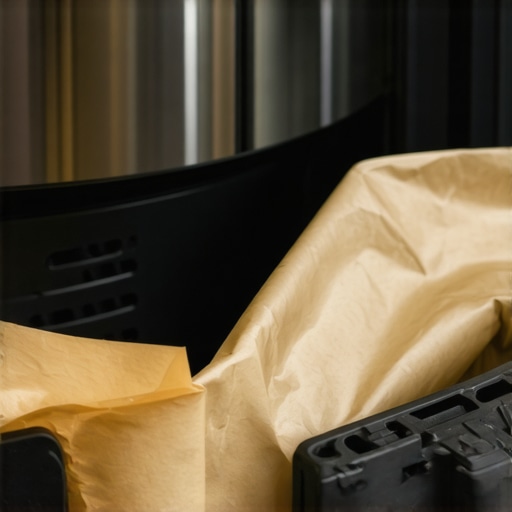
Why Air Fryer Parchment Paper Can Be a Fire Hazard
Parchment paper in a high-velocity convection environment is not a convenience; it is a thermal fuse waiting to be lit. After fifteen years in the premium kitchen appliance sector, I have seen the mechanical aftermath of ‘life hacks’ that ignore basic physics. When you line a basket with cellulose-based paper, you are introducing a combustible material into a high-heat vortex. The stake? Your kitchen and the longevity of a thousand-dollar appliance. The error is almost always the same: a misunderstanding of how air moves at 400 degrees Fahrenheit.
The Thermodynamics of Airflow Obstruction
An air fryer is essentially a miniaturized, supercharged convection oven. It relies on a high-RPM fan to drive heat through a heating element and circulate it around the food. When you block the perforated floor of the basket with a sheet of parchment, you create a high-pressure zone beneath the paper and a low-pressure zone above it. This is basic fluid dynamics. If the food weight is uneven or if you preheat with the paper alone, the Bernoulli effect kicks in. The paper lifts. It makes direct contact with the exposed nichrome heating coils. The result? Instant ignition. The acrid smell of singed cellulose is often the first warning, usually followed by the fan motor straining against the obstruction. This can cause the motor to burn out, a common reason why your air fryer makes your house smoke even after cleaning. Most users fail to realize that the flashpoint of standard parchment is around 450 degrees Fahrenheit, but the air directly adjacent to the heating element can far exceed that threshold during a heavy cycle.
The Mechanical Reality of Modern Baskets
Engineers design air fryer baskets with specific hole patterns to ensure even heat distribution. By covering these, you force the fan to work harder, increasing the internal temperature of the housing. This thermal stress degrades the fan bearings and the sensitive control boards. If you are struggling with uneven results, it is often better to look at why some air fryers cook unevenly rather than reaching for a paper liner that compounds the problem. I have inspected dozens of units where the paper was sucked into the intake, clogging the assembly and requiring a full teardown. It is a costly mistake for a five-cent piece of paper. The National Fire Protection Association (NFPA) frequently notes that cooking equipment is the leading cause of home fires, and introducing loose, lightweight combustibles into high-velocity airflow systems is an objective risk. While some manufacturers sell ‘pre-perforated’ liners, they still present a risk if the food load does not sufficiently anchor every square inch of the surface area.
The Stress Test of Real World Usage
The sensory reality of a kitchen fire is visceral. The sudden silence of a short-circuiting fan, the orange glow where there should only be darkness, and the oily residue left behind. I recall a client in a high-end condo whose luxury air fryer ignited because they used a square sheet in a round basket. The corners folded up, caught the air, and hit the coil. It charred the underside of their custom cabinetry in seconds. If you must use liners, they should be trimmed to exactly fit the food footprint, not the basket footprint. Better yet, stop using them. If the cleanup is your concern, you should learn how to clean a burnt air fryer basket through proper chemical soaking rather than risking a structural fire. The mechanical trade-off—cleanliness vs. safety—is a losing proposition for any serious home chef.
Strategic Foresight for the Modern Kitchen
In the next 12 to 24 months, I expect to see a regulatory shift or at least a manufacturing change where heating elements are more strictly shielded. We are already seeing a move toward ceramic-coated baskets that negate the need for parchment altogether. This ‘non-stick’ evolution is a direct response to the fire risks associated with paper liners. For those operating high-wattage units, the risk is magnified. High-wattage means faster fan speeds and higher coil temperatures. The industry is moving away from loose accessories. My executive verdict? Hold the paper. Use high-smoke point oils and proper soaking techniques. If you insist on a liner, move to medical-grade silicone mats that are weighted and have a much higher thermal threshold than paper, though even these can disrupt the necessary convection currents.
Operational Strategy
If you are in a situation where you value appliance longevity and home safety over a 30-second cleanup, remove the parchment from your pantry. The technical truth is that your food will actually cook better without it. The bottom-up heat transfer is vital for the ‘fry’ effect. Blocking that airflow leads to soggy bottoms and overcooked tops. It is a failure of both engineering and culinary technique.
Frequently Asked Questions
Is perforated parchment paper safer?
It is marginally safer because it allows some air to pass through, reducing the ‘lift’ effect, but it remains a combustible material in a high-heat zone. The risk of edges catching the fan current remains high.
Can I use aluminum foil instead?
Foil won’t catch fire like paper, but it is much heavier and can still be moved by high-velocity air. It is more likely to cause the motor to overheat by completely blocking the airflow than it is to cause a fire, but it can still spark if it touches the heating element.
At what temperature does parchment paper ignite?
Most parchment is rated for 420-450 degrees Fahrenheit. However, the air at the very top of the air fryer chamber, near the coil, can spike significantly higher than the digital readout on the display.
How do I prevent my air fryer from catching fire?
Never preheat with anything loose in the basket. Ensure the basket is clean of grease buildup, and never use paper or foil that is not weighted down across its entire surface by heavy food items.