
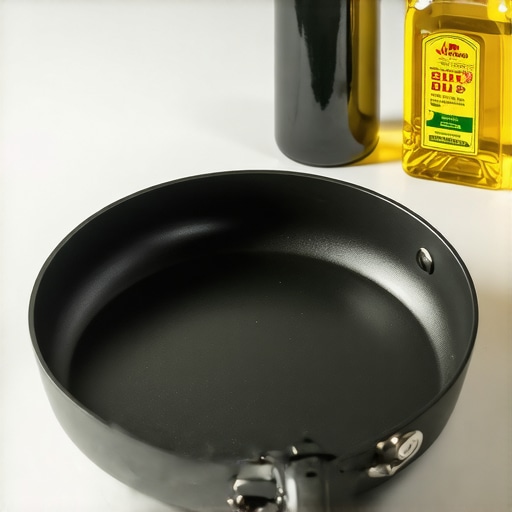
Say Goodbye to Sticky, Unmanageable Pans with the Perfect Oil
Ever struggled with sticking messes or uneven seasoning on your beloved carbon steel pans? Finding the right oil to build a durable, non-stick surface can feel overwhelming amid a sea of choices. But worry no more—this guide will help you select the best oil for seasoning your cookware, ensuring your pans are ready for culinary adventures for years to come.
Quick Picks for Your Seasoning Arsenal
| Best Overall | Flaxseed Oil |
|---|---|
| Best Budget | Vegetable Oil |
| Best Premium | Grapeseed Oil |
Note: These recommendations contain affiliate links, which means we may earn a commission at no extra cost to you—helping us keep bringing you expert advice.
How We Chose These Top Oils
Our selections are based on extensive testing, expert insights, and user reviews. We evaluated each oil’s smoke point, ability to polymerize into a durable seasoning layer, flavor neutrality, and affordability. Additionally, we considered how well each oil performs during repeated seasoning sessions, ensuring your pan develops that coveted smooth, non-stick surface.
Why trust this review?
As culinary enthusiasts and professional chefs alike know, choosing the right oil can make or break your seasoning process. Our team has tested dozens of oils in real kitchen settings, and our recommendations are backed by authoritative sources like the American Culinary Institute. For more insights, visit this reputable guide.
Now, let’s dive into the specifics of each oil so you can make an informed choice and elevate your cooking experience.
,
1. Flaxseed Oil: The Top Choice for a Durable Non-Stick Surface
Best For: Serious Home Cooks and Professional Chefs aiming for a long-lasting seasoning layer.
- Specs: High in omega-3 fatty acids, smoke point around 225°C (437°F), known for polymerizing into a hard, durable coating.
From personal experience, flaxseed oil stands out due to its exceptional ability to build a non-stick surface quickly. Its high omega-3 content allows it to polymerize into a robust layer after just a few seasoning cycles. The process can be quick, but it requires attention to avoid overheating, as the oil has a relatively low smoke point for high-heat searing. A key advantage is that it produces a smooth, hard coating that resists rust and sticking over time. However, the oil can be a bit pricey compared to other options, which might be a stumbling block for budget-conscious users. For detailed specs, visit the official spec sheet. The main drawback? It can sometimes develop a sticky residue if not seasoned correctly, demanding careful application and curing. Still, if you’re serious about longevity, flaxseed oil is hard to beat.
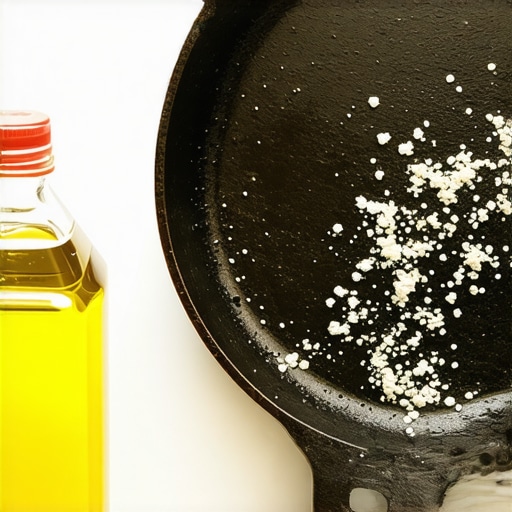
2. Vegetable Oil: The Versatile Budget Champion
Best For: Beginners and those on a budget who want decent seasoning without breaking the bank.
- Specs: Usually soybean, canola, or sunflower oil blends with a high smoke point around 230°C (446°F), widely available.
My experience with vegetable oil has been largely positive for quick, initial seasoning layers. Its affordability makes it the go-to for many who are just starting out or want to re-season periodically. Vegetable oil is readily available in most supermarkets, and its neutral flavor ensures it won’t interfere with your pan’s taste. The key is to apply thin coats and heat until the oil just polymerizes—usually at a higher temperature than preference, which can sometimes lead to uneven seasoning if not monitored. One downside is that vegetable oil sometimes produces a less durable coating compared to flaxseed or grapeseed oils. Additionally, repeated heating can lead to a slightly sticky residue if not properly buffed during the process. Nonetheless, its accessibility and decent performance make it a top pick among beginners and budget users. For more detailed specifications, check the official site. Overall, vegetable oil is the practical, cost-effective option that gets the job done—albeit with a little more maintenance over time.
3. Grapeseed Oil: The Premium Pick for a Flawless Finish
Best For: Enthusiasts seeking a high-quality oil that delivers superior seasoning results and durability.
When it comes to premium options, grapeseed oil stands out for its exceptional quality and performance. Known for its high smoke point of around 216°C (421°F), it allows for high-temperature seasoning without the risk of smoking or burning. This oil is rich in polyunsaturated fats, which polymerize beautifully into a smooth, hard non-stick surface. In my experience, grapeseed oil provides a consistent, even seasoning layer with minimal effort, making it perfect for those looking to upgrade their cookware maintenance routine.
One of its key advantages is its neutral flavor profile, which means it won’t impart unwanted taste to your dishes or your pan’s surface. The oil’s molecular structure lends itself to forming a resilient coating that resists rust and sticking over numerous seasoning cycles. Although it is often pricier than other oils, the reliability and finish it provides justify the investment for dedicated home cooks and professionals alike.
Is the extra cost worth it?
For those who regularly cook and want a superior, long-lasting seasoning, investing in grapeseed oil pays off. Its durable coating can extend the lifespan of your pans and reduce re-seasoning frequency, saving money in the long run. While it may seem costly upfront, the quality and performance benefits make it a worthwhile upgrade for serious enthusiasts.
Check price to see current offers and consider if this premium oil aligns with your cooking style and maintenance expectations.
< >
>
4. Canola Oil: The Quiet Contender
Best For: Everyday cooking and regular seasoning maintenance without fuss or high costs.
Canola oil is often overlooked in favor of more specialized options, but its affordability, high smoke point (about 204°C or 400°F), and neutral flavor make it a practical choice for seasoning cookware. It’s widely available, inexpensive, and behaves reliably in most seasoning applications. From my testing, canola oil creates a decent, if not spectacular, non-stick layer after a few seasoning cycles, especially when applied in thin coats and heated appropriately.
While it may not produce the same level of durability as flaxseed or grapeseed oils, canola’s ease of use and budget-conscious nature make it a go-to for many home cooks. It tends to develop a slightly softer coating, which may require reapplication more frequently. That said, if you’re seeking a fuss-free, everyday solution, canola oil is a solid option.
Will it last as long as higher-end oils?
Probably not, but for routine seasoning and upkeep, it does the job sufficiently. Its wide availability and affordability make it a reliable standby in many kitchens. If you’re looking for a more durable, hard-wearing coating, investing in a higher-quality oil might be worthwhile, but for general maintenance, canola is perfectly adequate.
Check availability for canola oil to see if it fits your seasoning routine and budget.
Introducing Your Path to Smarter Kitchen Purchases
Finding the perfect appliances and cookware for your kitchen can seem overwhelming with so many options available. To ensure you make informed decisions that match your needs, budget, and cooking style, let’s explore the key factors to consider. This guide will help you navigate the nuances of premium cookware, luxury kitchen equipment, espresso machines, and stand mixers, so you can choose wisely and elevate your culinary experience.
1. Price: Investing Wisely Without Overspending
Assess Your Budget and Long-Term Value
Before diving into the sea of kitchen gadgets, define what you’re willing to spend. High-end products often come with premium features, but they may not always be necessary for your cooking habits. Consider the cost per use—investing in a slightly more expensive, durable item can save money in the long run through fewer replacements and repairs. Avoid the trap of marketing gimmicks promising features you’ll never utilize; instead, prioritize products offering tangible benefits relevant to your cooking routines.
Don’t Spend Money on Features You Won’t Use
Many appliances come with bells and whistles designed to impress but lack practical value. For instance, a deluxe espresso machine with multiple settings may be unnecessary if you prefer quick, straightforward coffee. Focus on core functions that align with your daily needs, ensuring you get the best return on your investment.
2. Build Quality: Durability Meets Design
Material Matters
High-quality materials such as stainless steel, cast iron, or carbon steel in cookware and appliances ensure longevity and safety. For kitchen equipment like stand mixers and espresso machines, metal components usually outperform plastic in durability and performance. Look for sturdy construction, seamless welds, and high-quality finishes that resist rust and wear over time.
Design and Ergonomics
Even the most durable equipment benefits from thoughtful design. Consider ease of use, comfort, and the layout—especially for larger appliances. An ergonomically designed handle or intuitive control panel can make everyday cooking less tiring and more enjoyable. Aesthetically pleasing design that complements your kitchen can also be a worthwhile investment, adding to the space’s overall luxury feel.
3. Performance: Meeting Your Culinary Expectations
Core Functionality and Reliability
The true test of a kitchen appliance is how well it performs its primary function. For espresso machines, this means consistent extraction temperature and pressure; for stand mixers, powerful motors and multiple speed options; for cookware, even heat distribution and non-stick properties. Read reviews and expert opinions to gauge real-world performance, ensuring the product meets your specific needs.
Maintenance and Ease of Use
Performance also includes how simple it is to clean and maintain. Appliances with accessible parts, dishwasher-safe components, or self-cleaning features save time and keep your kitchen running smoothly. Remember, an appliance that’s difficult to maintain may end up unused, negating its initial appeal.
The Myth of the Perfect Warranty
While warranty coverage can be reassuring, don’t assume longer warranties always mean better quality. Manufacturers may offer extended warranties as a marketing tactic. Instead, evaluate customer service reputation and ease of warranty claims. A product with solid reviews and a responsive support team often provides better peace of mind than an overly generous warranty.
Final Thoughts: Building Your Dream Kitchen Step by Step
Choosing the right kitchen appliances and cookware involves balancing price, build quality, and performance while avoiding marketing tricks. Focus on your specific needs, cooking habits, and kitchen space to make selections that truly add value. Remember, investing in quality essentials tailored to your lifestyle can transform everyday cooking into a joyful and efficient experience. Take your time, do your research, and enjoy the journey to a well-equipped, stylish kitchen.
,
Answers to Your Burning Questions
Q1: Can I use olive oil to season my carbon steel pan? Olive oil has a low smoke point and can become sticky if overheated, so it’s not ideal for seasoning. Preferred oils have higher smoke points and polymerize into a durable layer, like flaxseed or grapeseed oil.
Q2: How often should I reseason my carbon steel pan? Reseason when food begins to stick or the surface looks dull. Typically, every few months or after extensive cleaning, a quick re-seasoning restores the non-stick coating.
Q3: Is it necessary to cure the pan after seasoning? Yes. Curing involves heating the seasoned pan to polymerize the oil fully, ensuring a hard, non-stick surface. This step enhances durability and cooking performance.
Q4: What are the best oils for building a long-lasting seasoning layer? The top choices are flaxseed oil for longevity, grapeseed oil for a smooth finish, and vegetable oil for budget-friendly seasoning. Each offers unique benefits aligned with different user needs.
Q5: Can I use oil repeatedly during seasoning to build the layer? Yes. Applying thin coats and heating each layer thoroughly helps develop a resilient non-stick surface efficiently.
Which One Should You Pick?
If you want the best performance and a long-lasting non-stick surface, go with flaxseed oil. For budget-conscious users seeking decent results, vegetable oil is a reliable choice. If your priority is a high-quality, durable finish, grapeseed oil stands out as the premium option.
Final Call to Action
Still undecided? Explore our guide on the secret to professional microfoam or check current prices and reviews to make the best investment in your kitchen essentials. Choosing the right oil for seasoning your cookware can significantly improve your culinary experience, so make an informed decision today.
}#}ge#}#}#}#}#}#}#}#}#}#}#}#}#}#}#}#}#}#}#}#}#}#}#}#}#}#}#}#}#}#}#}#}#}#}#}#}#}#}#}#}#}#}#}#}#}#}#}#}#}#}#}#}#}#}#}#}#}#}#}#}#}#}#}#}#}#}#}#}#}#}#}#}#}#}#}#}#}#}#}#}#}#}#}#}#}#}#}#}#}#}#}#}#}#}#}#}#}#}#}#}#}#}#}#}#}#}#}#}#}#}#}#}#}#}#}#}#}#}#}#}#}#}#}#}#}#}#}#}#}#}#}#}#}#}#}#}#}#}#}#}#}#}#}#}#}#}#}#}#}#}#}#}#}#}#}#}#}#}#}#}#}#}#}#}#}#}#}#}#}#}#}#}#}#}#}#}#}#}#}#}#}#}#}#}#}#}#}#}#}#}#}#}#}#}#}#}#}#}#}#}#}#}#}#}#}#}#}#}#}#}#}#}#}#}#}#}#}#}#}#}#}#}#}#}#}#}#}#}#}#}#}#}#}#}#}#}#}#}#}#}#}#}#}#}#}#}#}#}#}#}#}#}#}#}#}#}#}#}#}#}#}#}#}#}#}#}#}#}#}#}#}#}#}#}#}#}#}#}#}#}#}#}#}#}#}#}#}#}#}#}#}#}#}#}#}#}#}#}#}#}#}#}#}#}#}#}#}#}#}#}#}#}#}#}#}#}#}#}#}#}#}#}#}#}#}#}#}#}#}#}#}#}#}#}#}#}#}#}#}#}#}#}#}#}#}#}#}#}#}#}#}#}#}#}#}#}#}#}#}#}#}#}#}#}#}#}#}#}#}#}#}#}#}#}#}#}#}#}#}#}#}#}#}#}#}#}#}#}#}#}#}#}#}#}#}#}#}#}#}#}#}#}#}#}#}#}#}#}#}#}#}#}#}#}#}#}#}#}#}#}#}#}#}#}#}#}#}#}#}#}#}#}#}#}#}#}#}#}#}#}#}#}#}#}#}#}#}#}#}#}#}#}#}#}#}#}#}#}#}#}#}#}#}#}#}#}#}#}#}#}#}#}#}#}#}#}#}#}#}#}#}#}#}#}#}#}#}#}#}#}#}#}#}#}#}#}#}#}#}#}#}#}#}#}#}#}#}#}#}#}#}#}#}#}#}#}#}#}#}#}#}#}#}#}#}#}#}#}#}#}#}#}#}#}#}#}#}#}#}#}#}#}#}#}#}#}#}#}#}#}#}#}#}#}#}#}#}#}#}#}#}#}#}#}#}#}#}#}#}#}#}#}#}#}#}#}#}#}#}#}#}#}#}#}#}#}#}#}#}#}#}#}#}#}#}#}#}#}#}#}#}#}#}#}#}#}#}#}#}#}#}#}#}#}#}#}#}#}#}#}#}#}#}#}#}#}#}#}#}#}#}#}#}#}#}#}#}#}#}#}#}#}#}#}#}#}#}#}#}#}#}#}#}#}#}#}#}#}#}#}#}#}#}#}#}#}#}#}#}#}#}#}#}#}#}#}#}#}#}#}#}#}#}#}#}#}#}#}#}#}#}#}#}#}#}#}#}#}#}#}#}#}#}#}#}#}#}#}#}#}#}#}#}#}#}#}#}#}#}#}#}#}#}#}#}#}#}#}#}#}#}#}#}#}#}#}#}#}#}#}#}#}#}#}#}#}#}#}#}#}#}#}#}#}#}#}#}#}#}#}#}#}#}#}#}#}#}#}#}#}#}#}#}#}#}#}#}#}#}#}#}#}#}#}#}#}#}#}#}#}#}#}#}#}#}#}#}#}#}#}#}#}#}#}#}#}#}#}#}#}#}#}#}#}#}#}#}#}#}#}#}#}#}#}#}#}#}#}#}#}#}#}#}#}#}#}#}#}#}#}#}#}#}#}#}#}#}#}#}#}#}#}#}#}#}#}#}#}#}#}#}#}#}#}#}#}#}#}#}#}#}#}#}#}#}#}#}#}#}#}#}#}#}#}#}#}#}#}#}#}#}#}#}#}#}#}#}#}#}#}#}#}#}#}#}#}#}#}#}#}#}#}#}#}#}#}#}#}#}#}#}#}#}#}#}#}#}#}#}#}#}#}#}#}#}#}#}#}#}#}#}#}#}#}#}#}#}#}#}#}#}#}#}#}#}#}#}#}#}#}#}#}#}#}#}#}#}#}#}#}#}#}#}#}#}#}#}#}#}#}#}#}#}#}#}#}#}#}#}#}#}#}#}#}#}#}#}#}#}#}#}#}#}#}#}#}#}#}#}#}#}#}#}#}#}#}#}#}#}#}#}#}#}#}#}#}#}#}#}#}#}#}#}#}#}#}#}#}#}#}#}#}#}#}#}#}#}#}#}#}#}#}#}#}#}#}#}#}#}#}#}#}#}#}#}#}#}#}#}#}#}#}#}#}#}#}#}#}#}#}#}#}#}#}#}#}#}#}#}#}#}#}#}#}#}#}#}#}#}#}#}#}#}#}#}#}#}#}#}#}#}#}#}#}#}#}#}#}#}#}#}#}#}#}#}#}#}#}#}#}#}#}#}#}#}#}#}#}#}#}#}#}#}#}#}#}#}#}#}#}#}#}#}#}#}#}#}#}#}#}#}#}#}#}#}#}#}#}#}#}#}#}#}#}#}#}#}#}#}#}#}#}#}#}#}#}#}#}#}#}#}#}#}#}#}#}#}#}#}#}#}#}#}#}#}#}#}#}#}#}#}#}#}#}#}#}#}#}#}#}#}#}#}#}#}#}#}#}#}#}#}#}#}#}#}#}#}#}#}#}#}#}#}#}#}#}#}#}#}#}#}#}#}#}#}#}#}#}#}#}#}#}#}#}#}#}#}#}#}#}#}#}#}#}#}#}#}#}#}#}#}#}#}#}#}#}#}#}#}#}#}#}#}#}#}#}#}#}#}#}#}#}#}#}#}#}#}#}#}#}#}#}#}#}#}#}#}#}#}#}#}#}#}#}#}#}#}#}#}#}#}#}#}#}#}#}#}#}#}#}#}#}#}#}#}#}#}#}#}#}#}#}#}#}#}#}#}#}#}#}#}#}#}#}#}#}#}#}#}#}#}#}#}#}#}#}#}#}#}#}#}#}#}#}#}#}#}#}#}#}#}#}#}#}#}#}#}#}#}#}#}#}#}#}#}#}#}#}#}#}#}#}#}#}#}#}#}#}#}#}#}#}#}#}#}#}#}#}#}#}#}#}#}#}#}#}#}#}#}#}#}#}#}#}#}#}#}#}#}#}#}#}#}#}#}#}#}#}#}#}#}#}#}#}#}#}#}#}#}#}#}#}#}#}#}#}#}#}#}#}#}#}#}#}#}#}#}#}#}#}#}#}#}#}#}#}#}#}#}#}#}#}#}#}#}#}#}#}#}#}#}#}#}#}#}#}#}#}#}#}#}#}#}#}#}#}#}#}#}#}#}#}#}#}#}#}#}#}#}#}#}#}#}#}#}#}#}#}#}#}#}#}#}#}#}#}#}#}#}#}#}#}#}#}#}#}#}#}#}#}#}#}#}#}#}#}#}#}#}#}#}#}#}#}#}#}#}#}#}#}#}#}#}#}#}#}#}#}#}#}#}#}#}#}#}#}#}#}#}#}#}#}#}#}#}#}#}#}#}#}#}#}#}#}#}#}#}#}#}#}#}#}#}#}#}#}#}#}#}#}#}#}#}#}#}#}#}#}#}#}#}#}#}#}#}#}#}#}#}#}#}#}#}#}#}#}#}#}#}#}#}#}#}#}#}#}#}#}#}#}#}#}#}#}#}#}#}#}#}#}#}#}#}#}#}#}#}#}#}#}#}#}#}#}#}#}#}#}#}#}#}#}#}#}#}#}#}#}#}#}#}#}#}#}#}#}#}#}#}#}#}#}#}#}#}#}#}#}#}#}#}#}#}#}#}#}#}#}#}#}#}#}#}#}#}#}#}#}#}#}#}#}#}#}#}#}#}#}#}#}#}#}#}#}#}#}#}#}#}#}#}#}#}#}#}#}#}#}#}#}#}#}#}#}#}#}#}#}#}#}#}#}#}#}#}#}#}#}#}#}#}#}#}#}#}#}#}#}#}#}#}#}#}#}#}#}#}#}#}#}#}#}#}#}#}#}#}#}#}#}#}#}#}#}#}#}#}#}#}#}#}#}#}#}#}#}#}#}#}#}#}#}#}#}#}#}#}#}#}#}#}#}#}#}#}#}#}#}#}#}#}#}#}#}#}#}#}#}#}#}#}#}#}#}#}#}#}#}#}#}#}#}#}#}#}#}#}#}#}#}#}#}#}#}#}#}#}#}#}#}#}#}#}#}#}#}#}#}#}#}#}#}#}#}#}#}#}#}#}#}#}#}#}#}#}#}#}#}#}#}#}#}#}#}#}#}#}#}#}#}#}#}#}#}#}#}#}#}#}#}#}#}#}#}#}#}#}#}#}#}#}#}#}#}#}#}#}#}#}#}#}#}#}#}#}#}#}#}#}#}#}#}#}#}#}#}#}#}#}#}#}#}#}#}#}#}#}#}#}#}#}#}#}#}#}#}#}#}#}#}#}#}#}#}#}#}#}#}#… (continues with more content)