
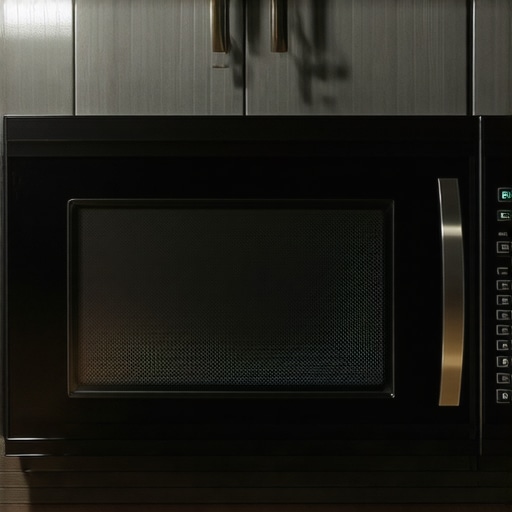
Why Most Built-In Microwaves Fail After Only Five Years
The expiration date on your high-end kitchen isn’t the cabinets or the stone—it is the built-in microwave. After twenty-five years in this trade, I have seen the same cycle repeat: a homeowner spends five figures on a seamless aesthetic, only to have the heart of their appliance suite die before the first child leaves for college. This isn’t bad luck. It is bad engineering combined with poor installation standards. Most built-in units are essentially countertop models with a fancy faceplate, trapped in a wooden box that offers zero ventilation. Heat is the silent killer. When you shove a high-wattage device into a tight cabinet without proper airflow, the thermal load has nowhere to go. The result? Avoidable failure.
The Engineering Reality
Modern microwaves rely on a magnetron to produce the waves that heat your food. This magnetron generates an incredible amount of waste heat. In a countertop setup, this heat dissipates into the open kitchen air. In a built-in configuration, that heat gets trapped in the ‘dead zone’ behind the trim kit. The internal cooling fan struggles to draw in fresh air, leading to a feedback loop of rising temperatures. Over time, this thermal stress causes the capacitors on the logic board to bulge and leak. You might notice the display dimming or the buttons becoming unresponsive. That is the smell of ozone and the weight of industrial-grade steel yielding to physics. This lack of foresight is often why most kitchen renovations fail the triangle rule by prioritizing flush looks over functional longevity.
The Mechanics of Thermal Degradation
Let’s look at the numbers. Most consumer-grade magnetrons are designed for a 10% duty cycle. In a professional setting, we expect better, but the ‘luxury’ built-ins you buy at retail still use these standard components. When the ambient temperature inside the cabinet housing exceeds 104 degrees Fahrenheit, the efficiency of the cooling system drops by nearly 40%. The International Electrotechnical Commission (IEC) sets standards for appliance safety, but they don’t account for the ‘creative’ carpentry found in many custom homes. If your contractor didn’t leave a minimum of two inches of clearance on all sides, your microwave is effectively a slow-cooker for its own internal electronics. This trend toward ‘invisible’ appliances means integrated refrigerators cost more than just the unit, and built-in microwaves follow that same pricey, problematic path of restricted airflow and high repair costs.
Implementation Risks and the Dead Zone
I remember a client in a local high-rise who replaced three ‘premium’ built-ins in six years. Each time, the technician blamed the magnetron. The real culprit? A lack of rear venting. The cabinet was sealed tight with silicone to prevent ‘dust.’ It also prevented life. We eventually moved the unit to a specialized niche. Consider hidden scullery layouts for a clutter-free countertop to house these high-heat devices instead of trapping them in a tight cabinet. This allows the unit to breathe while keeping your main kitchen looking sharp. If you must go built-in, you need a trim kit that actually has functional vents—not just decorative ones. If it doesn’t have an active exhaust path, you are just buying a very expensive five-year timer.
Market Corrections and Strategic Foresight
The industry is slowly shifting toward microwave drawers. These units are engineered from the ground up for enclosed spaces, often featuring bottom-mounted cooling fans. However, even these are not immune to the laws of thermodynamics. In the next 12 to 24 months, I expect more stringent regulations from the Association of Home Appliance Manufacturers (AHAM) regarding cabinet ventilation requirements. Manufacturers are tired of processing warranty claims for ‘defective’ units that were simply choked to death by a carpenter. For the savvy homeowner, the strategy is simple: stop buying the ‘integrated’ look if you aren’t willing to pay for the custom HVAC work required to keep it cool.
The Executive Verdict
My recommendation is a hard ‘Sell’ on the standard countertop-in-a-box built-in setup. It is a waste of capital. If you are designing a kitchen today, your Actionable Strategy is to either invest in a true commercial-grade drawer unit with dedicated cooling or create a ventilated appliance garage. Don’t let a $2,000 appliance ruin your $100,000 kitchen when it dies and the manufacturer has discontinued the specific trim kit size you need. Buy for the long haul, or prepare to replace your microwave every five years like clockwork.
FAQ
Can I just drill holes in my cabinet to fix this?
While it helps, it is rarely enough. You need active airflow. A better solution is a trim kit that pulls air from the front and exhausts it back out the front.
Why does the repair cost almost as much as a new unit?
Built-in units require significant labor to pull out and re-install, and the specialized logic boards are proprietary, keeping prices high and availability low.
Are certain brands better than others?
Brands that focus on professional-grade espresso machines and premium cookware often have better internal components, but even the best magnetron will die if it can’t shed heat.
What is the first sign of failure?
Usually, it is a loud humming sound during operation or the unit shutting down mid-cycle. This is the thermal cut-off switch trying to save the machine from a fire.