
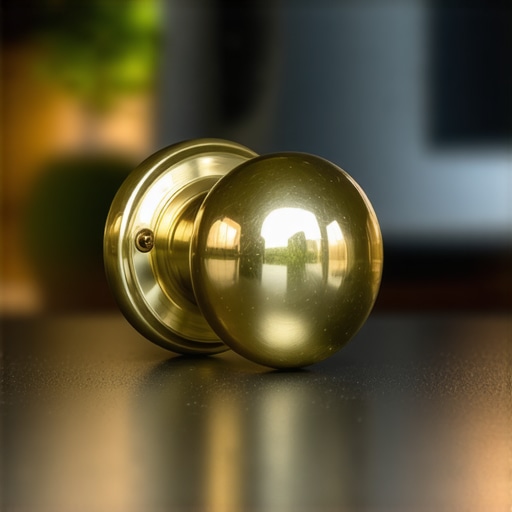
The Only Cleaning Solution That Won’t Ruin Brass Hardware
Brass hardware is not a static finish. It is a biological metal, a reactive alloy of copper and zinc that breathes and responds to its environment. Most homeowners treat it like stainless steel or chrome. That is a mistake that costs thousands. After fifteen years of designing and maintaining luxury kitchens, I have seen more custom brass suites destroyed by “natural” vinegar sprays than by genuine neglect. You invest in a high-end kitchen with solid brass pulls or a $5,000 espresso machine with brass accents. You expect a certain aging process. You do not expect the metal to pit, flake, or develop a neon-green crust within six months. The technical truth? Using the wrong surfactant initiates a chemical chain reaction known as dezincification. It is irreversible. It is expensive. It is avoidable.
The Chemical Reality of Copper Alloys
To protect your investment, you must think like a metallurgist. Brass is primarily copper and zinc. Zinc is a highly reactive element. When you apply a cleaner with high acidity (like vinegar or lemon) or high alkalinity (like ammonia), you strip the protective oxide layer. This exposes the zinc to atmospheric moisture. The zinc then leaches out of the alloy. What remains is a porous, brittle skeleton of copper. This isn’t just about aesthetics. It is about structural integrity. When you notice why your espresso tastes metallic, you are often tasting the result of metal degradation on a molecular level. The weight of a solid brass portafilter feels substantial in your hand, but its surface is surprisingly fragile. Professional standards like the ASTM B135 guide for brass alloys confirm that chemical exposure is the leading cause of premature failure in residential fittings.
Why Ammonia Destroys Metal Integrity
Ammonia is the primary ingredient in almost every “streak-free” window and surface cleaner. For brass, it is poison. Ammonia causes stress-corrosion cracking. It penetrates the grain boundaries of the metal. The result? Small, hairline fractures that eventually lead to total failure of the part. I remember a project where a cleaning crew used a common blue window spray on a set of unlacquered brass cabinet latches. Within weeks, the latches felt gritty. The smooth mechanical action was gone. The ammonia had literally started to eat the hinges from the inside out. This is why a pH-neutral, anionic surfactant is the only safe choice. Think of lab-grade detergents or extremely diluted, dye-free dish soap. These solutions lift oils without reacting with the base metal. Similar to the thermal shock error that cracks modern quartzite countertops, using the wrong chemical on brass is a permanent error. There is no “buffing out” a structural crack caused by ammonia.
Real World Failures in Luxury Kitchens
The messy reality of kitchen maintenance often clashes with marketing. Many brands sell “brass polish” that contains harsh abrasives. These are fine for a vintage trumpet, but they are a disaster for modern kitchen hardware. Abrasives create micro-scratches. These scratches trap skin oils and food acids, accelerating corrosion. I once walked into a client’s home and smelled a sharp, sulfurous odor. They had been using a “natural” citric acid paste to shine their brass range knobs. The knobs were bright, but they were covered in deep orange splotches. The acid had over-reacted, creating a localized burn on the metal. We had to ship the entire set back to the manufacturer for a full regrind and refinish. It cost three times the price of the original hardware. Just as etch marks on stone ruin the visual flow of a room, pitted brass makes a luxury kitchen look like a salvage yard.
Market Shifts and Living Finishes
The industry is moving away from the high-gloss, plastic-coated brass of the 1990s. We are seeing a massive return to unlacquered, “living” finishes. The Copper Development Association (CDA) has reported a significant uptick in residential copper-alloy installations. This shift means the metal is designed to oxidize. It is supposed to turn dark, chocolatey, and eventually develop a soft patina. However, consumers often panic when they see the first signs of oxidation and reach for the nearest bottle of Clorox. This creates a cycle of damage. Regulatory changes in metal finishing, specifically EPA standards regarding PVD (Physical Vapor Deposition) and chrome plating, mean that the metals we use today are often more “raw” than those of the past. Maintenance protocols must evolve. If you treat 2025 brass like 1985 brass, you will fail.
The Professional Verdict
My recommendation is a strict “Buy/Hold” strategy for your brass maintenance. Buy a high-quality, pH-neutral cleaner or simply use a single drop of clear dish soap in a liter of distilled water. Hold off on any abrasive polishing unless you are prepared to refinish the entire piece. If you are in a coastal environment with high salt air, the risk of galvanic corrosion is even higher. In those cases, a thin coat of high-grade carnauba wax is the only barrier I trust. It seals the metal from oxygen without the chemical violence of a spray cleaner. Much like why your espresso machine needs a dedicated water softener, your brass needs a controlled environment to age gracefully. Stop looking for a “miracle” spray. The miracle is a soft microfiber cloth and patience.
Frequently Asked Questions
Can I use baking soda on my brass pulls? No. Baking soda is a crystalline abrasive. It will leave micro-scratches that eventually turn black as they fill with dirt and oil.
Is vinegar safe if I dilute it? No. Even diluted acetic acid is aggressive enough to trigger dezincification in low-lead brass alloys.
How do I know if my brass is lacquered? If it hasn’t changed color at all in six months, it is likely lacquered or PVD coated. If it shows fingerprints and dark spots, it is unlacquered. Treat unlacquered brass with the most care.
What is the best cloth to use? Only use clean microfiber. Avoid paper towels; the wood fibers in paper can be abrasive enough to dull a high-mirror finish over time.