How to Choose the Right Grind Size for Cold Brew Coffee
Cold brew coffee is not a passive steeping exercise. It is a slow-motion chemical extraction where particle surface area dictates the final flavor profile. Most home enthusiasts treat cold brew as a forgiving method because of the time involved. They are wrong. After managing high-end kitchen installations and technical coffee setups for fifteen years, I have seen more expensive beans ruined by a poor grind than by bad water. The stake is simple: a muddy, bitter concentrate that tastes like oxidized paper versus a clean, chocolatey syrup that justifies the twenty-hour wait. Precision is the only path to the latter.
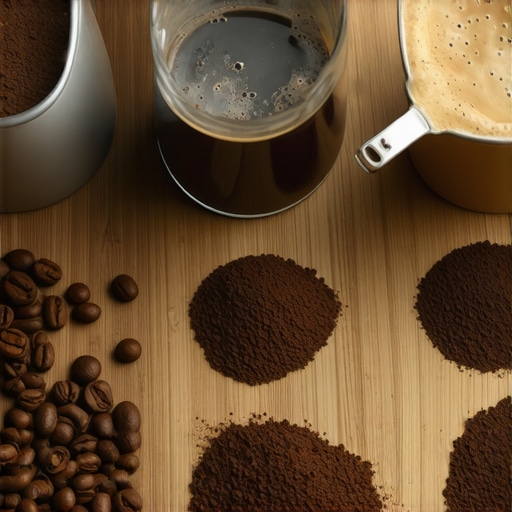
The thesis is straightforward. Cold brew requires a specific bimodal distribution of coffee particles, leaning heavily toward the 1,000 to 1,200-micron range. This resembles coarse sea salt. If your grinder produces too many ‘fines’—those microscopic dust particles common in entry-level espresso machines or blade units—you will over-extract. Cold water lacks the energy of boiling water, but it compensates with time. Over twenty hours, those fines will turn your brew into swamp water. The result? Avoidable failure.
The Physics of Immersion Extraction
Immersion brewing depends on the concentration gradient between the coffee cell and the surrounding water. When you use a coarse grind, you reduce the total surface area available for immediate contact. This is intentional. We want the water to migrate slowly into the center of the coffee particle. This slow migration pulls out the sugars and oils while leaving behind the heavier, more bitter polyphenols that usually require high heat to dissolve. If the grind is too fine, the surface area increases exponentially. The water hits those bitter compounds too early. Even with cold water, you end up with a harsh, ashy finish.
In my experience, the technical reality of burr geometry is what separates a luxury kitchen setup from a standard one. If you are investing in premium cookware and high-end appliances, your grinder must match that caliber. I often tell clients that the grinder is more important than the brewer itself. Achieving a consistent 1,000-micron particle size requires sharp, well-aligned burrs. It is essential to understand the correct way to clean burrs without losing your settings to maintain this precision over time. A dull burr crushes the bean rather than cutting it, creating heat and dust that destroys the cold brew’s clarity.
The Industrial Reality of Burr Quality
Let’s talk about the cost-benefit of equipment. A standard consumer-grade grinder uses small, 40mm stainless steel burrs. These are fine for a morning drip but struggle with the sheer volume required for a gallon of cold brew. The motor heats up. The burrs expand. Suddenly, your coarse setting is drifting into a medium-fine territory. To avoid this, look for high-torque motors and larger burr sets, often found in professional-grade stand mixers with grinding attachments or dedicated prosumer units. Professional standards, such as those set by the Specialty Coffee Association (SCA), emphasize the importance of grind consistency for repeatable extraction yields. For those serious about their bar setup, considering stop the waste 4 zero-retention grinders for 2026 bars is a strategic move for quality control.
Operational Risks and the Muddy Bottom
What breaks in the cold brew process? The filter. If your grind size is inconsistent, the fines will clog your filtration media—whether it is a felt bag, a stainless steel mesh, or a paper filter. This leads to a ‘stalled’ filtration. You are forced to agitate the grounds to get the liquid through, which releases even more sediment into the final product. I have seen countless $5,000 luxury kitchen countertops stained because someone tried to force a clogged cold brew filter. The mess is a direct symptom of poor grind geometry. You can taste the failure: a chalky mouthfeel that coats the tongue. It’s the same frustration people feel when why most home espresso shots taste sour and how to fix it applies to their morning routine—it’s almost always a technical calibration error.
Strategic Foresight for the 2026 Market
The industry is moving toward automated particle analysis. In the next twelve to twenty-four months, we will see air fryers and other smart appliances integrating more deeply into the connected kitchen, but coffee tech is leading the way with laser-guided grind calibration. We are seeing a shift where the user no longer selects ‘Coarse’ but selects ‘1100 Microns.’ This level of transparency will force manufacturers to stop using cheap, stamped metal burrs in favor of machined ceramic or titanium-coated steel. Regulatory changes regarding energy efficiency in small appliances are also pushing motors to be more efficient, which actually benefits coffee lovers by reducing the heat transfer to the beans during long grinding sessions. If you are designing a kitchen today, plan for dedicated 20-amp circuits to handle these high-torque motors alongside your other premium cookware and appliances.
The Executive Verdict
My recommendation is firm: Buy a high-mass, flat-burr grinder if you intend to make cold brew a staple of your lifestyle. If you currently own a mid-range unit, sieve your coffee. Use a 400-micron sieve to remove the dust before you start the steep. The improvement in clarity will be immediate and profound. If you find yourself struggling with bitterness even at coarse settings, investigate your water chemistry. Hard water will over-extract regardless of your grind. High-end setups benefit from the best temperature for brewing light roast beans, but for cold brew, the grind is the primary lever you must pull.
Technical FAQ
Can I use the same grinder for espresso and cold brew?
Technically, yes, but it is not ideal. Most grinders are optimized for one end of the spectrum. Moving the burrs from an espresso setting to a cold brew setting often requires significant purging of old grounds, leading to waste.
How do I know if my grind is too coarse?
If your cold brew tastes weak, watery, or tea-like after 24 hours, you have too little surface area. Tighten the grind slightly. The goal is a rich, bold concentrate that holds up when diluted with ice or milk.
Is ceramic better than steel for cold brew?
Steel burrs typically produce fewer fines at coarse settings because they ‘cut’ the bean more cleanly. Ceramic burrs are excellent for espresso because they handle heat well, but for the large, chunky particles needed for cold brew, high-quality stainless steel is the professional choice.
Should I grind right before brewing?
Always. Coffee begins to oxidize the moment the surface area is increased. For a 20-hour steep, starting with fresh-ground coffee is the only way to prevent the ‘stale’ flavor that plagues pre-ground commercial cold brews.
Comments are closed.